
Creatine Micronized vs Monohydrate
Creatine Micronized vs Monohydrate: The Ultimate Guide
Navigating the world of sports supplements can be confusing, especially when faced with choices like creatine micronized vs monohydrate. Both promise enhanced strength, muscle growth, and improved athletic performance, but they are not identical. Understanding their differences is crucial for making an informed decision that aligns with your fitness goals. This guide will break down the science, benefits, and practical considerations of each form.
What is Creatine and Why Does Form Matter?
Creatine is a naturally occurring compound found in muscle cells, where it helps produce energy during high-intensity exercise. Supplementation increases your muscles’ phosphocreatine stores, thereby providing more rapid energy for activities like weightlifting and sprinting. Consequently, this leads to measurable gains in strength, power, and muscle mass.
The “form” of creatine refers to its processing and particle size. This is critical because it directly impacts key factors like solubility (how well it dissolves), absorption, and potential for gastrointestinal discomfort. Therefore, choosing the right type can affect both your results and your overall experience.
Creatine Monohydrate: The Gold Standard
Creatine monohydrate is the most researched and widely used form. It consists of a creatine molecule bound to a water molecule. For decades, it has been the benchmark against which all other creatine forms are measured.
Key Characteristics and Benefits
- Extensively Researched: Its effects on strength, power, and muscle growth are supported by hundreds of studies. You can find a wealth of information on its safety and efficacy from sources like the National Institutes of Health (NIH).
- Cost-Effective: It is typically the most affordable creatine option available.
- Proven Effectiveness: Consistently shown to increase intramuscular creatine stores effectively.
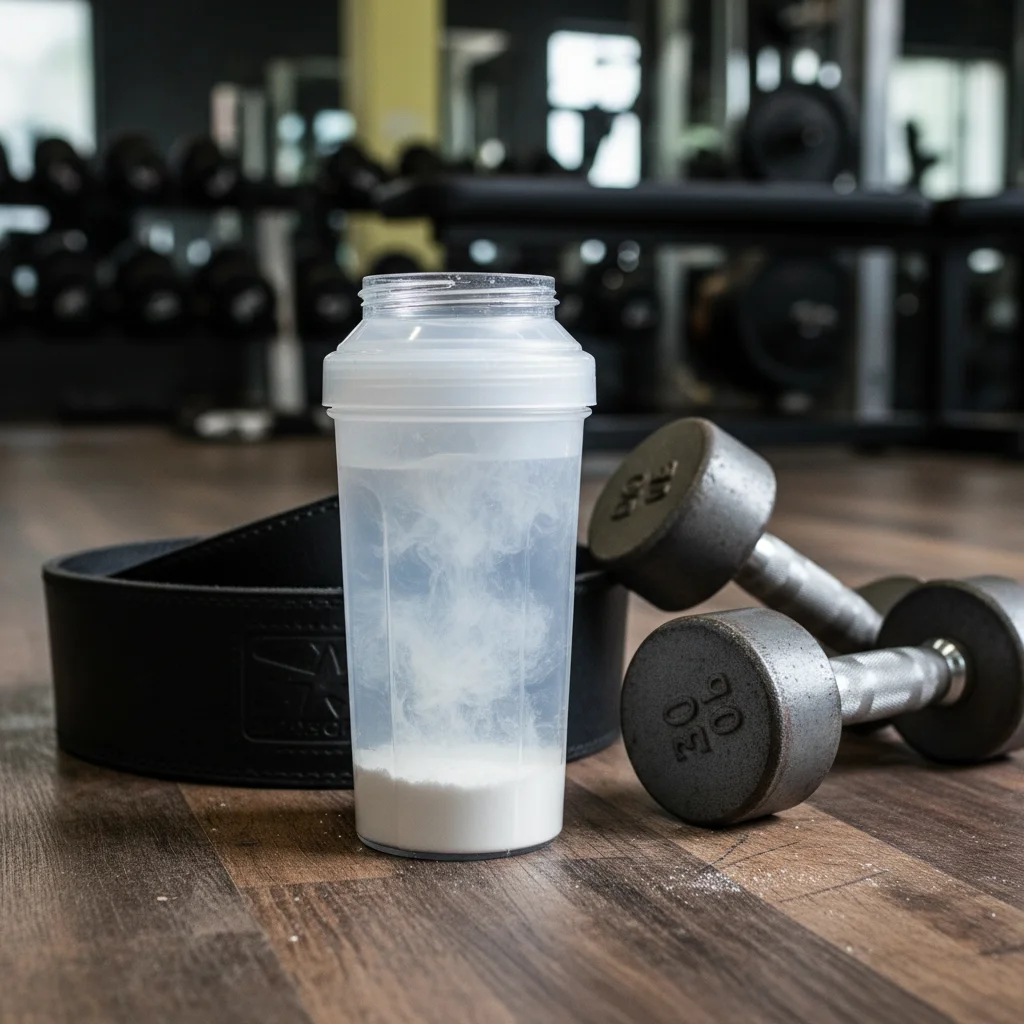
However, standard monohydrate has a larger particle size. This can sometimes lead to it settling at the bottom of a drink and, for some individuals, may cause minor bloating or stomach upset if not mixed thoroughly.
Micronized Creatine: The Enhanced Version
Micronized creatine is, fundamentally, still creatine monohydrate. The key difference lies in the processing: it undergoes a milling process that breaks the particles down to a much finer size.
Key Characteristics and Benefits
- Improved Solubility: The smaller particles dissolve more completely in liquid, leading to a less gritty texture.
- Potentially Better Absorption: The increased surface area of the fine particles may allow for slightly faster absorption in the gut.
- Reduced GI Issues: Because it mixes more thoroughly and is absorbed efficiently, many users report fewer instances of bloating or stomach discomfort.
Essentially, micronized creatine offers the same proven benefits as the monohydrate form but with enhanced mixability and digestibility.
Head-to-Head Comparison: Micronized vs. Monohydrate
To visualize the core differences, the following table provides a direct comparison.
| Feature | Creatine Monohydrate | Micronized Creatine |
|---|---|---|
| Chemical Structure | Creatine + Water Molecule | Creatine + Water Molecule (Finely Milled) |
| Particle Size | Larger | Significantly smaller (5-20 microns) |
| Solubility | Good, but can settle | Excellent, dissolves almost completely |
| Absorption Rate | High | Potentially higher due to surface area |
| GI Tolerance | Good for most; can cause bloating in some | Generally excellent, less reported discomfort |
| Scientific Backing | Extremely high, thousands of studies | High (same core compound) |
| Cost | Most affordable | Slightly more expensive |
| Best For | Budget-conscious users who tolerate it well | Users prioritizing mixability and digestion |
Which One Should You Choose?
Your choice between creatine micronized and monohydrate depends on your individual priorities and sensitivity.
Choose Creatine Monohydrate if:
You want the most cost-effective, proven option. If you don’t mind stirring your drink well and have not experienced digestive issues with supplements, standard monohydrate is a perfect choice. Its value and effectiveness are unparalleled.
Choose Micronized Creatine if:
You are willing to pay a small premium for superior mixability and potentially better digestion. Moreover, if you have experienced bloating with regular monohydrate in the past, switching to a micronized form is highly recommended. It provides the same core benefits with a more user-friendly experience.
How to Use Creatine Effectively
Regardless of which type you select, proper usage is key. The most common and researched protocol is a daily dose of 3-5 grams. You can take it at any time of day, with or without food. Many athletes take it post-workout, but consistency is more important than timing. For more detailed guidance on supplementation and health, explore our comprehensive blood sugar levels guide.
Loading Phase: A loading phase of 20 grams per day for 5-7 days can saturate muscles faster, but it’s not necessary. A daily maintenance dose will achieve the same saturation in about 3-4 weeks.
Safety and Side Effects
Creatine is one of the most thoroughly studied supplements and is considered safe for long-term use by healthy individuals. Potential side effects are generally mild and can include water retention (within the muscles) and the aforementioned digestive discomfort. Staying well-hydrated is always advisable when using creatine.
Importantly, if you have pre-existing kidney conditions, you should consult a doctor before beginning supplementation, although research shows no adverse effects on kidney function in healthy people.
The Verdict
Both creatine micronized and monohydrate are highly effective for improving athletic performance and body composition. Creatine monohydrate remains the gold standard due to its immense scientific backing and low cost. However, micronized creatine offers a tangible practical upgrade in terms of solubility and gastrointestinal tolerance for a marginally higher price.
Therefore, your decision boils down to personal preference. If budget is paramount, stick with classic monohydrate. If you value a smoother, easier-to-stomach supplement, micronized is an excellent investment.
Ultimately, the most important step is to start supplementing with one of them consistently to unlock the well-documented benefits for your strength and muscle-building goals. For those interested in other foundational supplements for fitness, learn about the role of an advanced amino formula in supporting recovery and growth.

