
Composite Veneers Cost & Care Guide
Composite Veneers: Your Guide to a Minimally Invasive Smile Makeover
A bright, symmetrical smile is a universal sign of confidence and health. However, many people feel self-conscious about chips, gaps, stains, or minor misalignments in their teeth. Fortunately, modern cosmetic dentistry offers a range of solutions, and composite veneers stand out as a popular, accessible choice for transforming smiles. This guide will explain everything you need to know about composite veneers, from the procedure to the pros and cons, helping you decide if they are the right investment for your dental health and aesthetics.
What Are Composite Veneers?
Composite veneers are thin shells of tooth-colored resin material that are bonded directly to the front surface of your teeth. Unlike their porcelain counterparts, which are fabricated in a dental lab, composite veneers are typically sculpted and applied by your dentist in a single appointment. Consequently, they are often referred to as “direct veneers.” The composite resin is a malleable material that can be expertly shaped, colored, and polished to match the natural appearance of your surrounding teeth, effectively masking imperfections.
Composite Veneers vs. Porcelain Veneers: A Quick Comparison
Choosing between composite and porcelain veneers is a significant decision. Therefore, understanding their key differences is crucial.
| Feature | Composite Veneers | Porcelain Veneers |
|---|---|---|
| Procedure Time | Typically completed in one visit. | Requires at least two visits (prep & bonding). |
| Cost | Generally more affordable per tooth. | More expensive due to lab fees and materials. |
| Durability | Last 5-7 years with proper care. | Can last 10-15 years or more. |
| Tooth Preparation | Minimal to no removal of tooth enamel. | Usually requires removal of a small layer of enamel. |
| Appearance | Good aesthetic results; can be polished to a shine. | Superior stain resistance and a more natural, translucent look. |
| Repairability | Easily repaired or touched up in the chair. | If damaged, often require complete replacement. |
The Composite Veneer Procedure: What to Expect
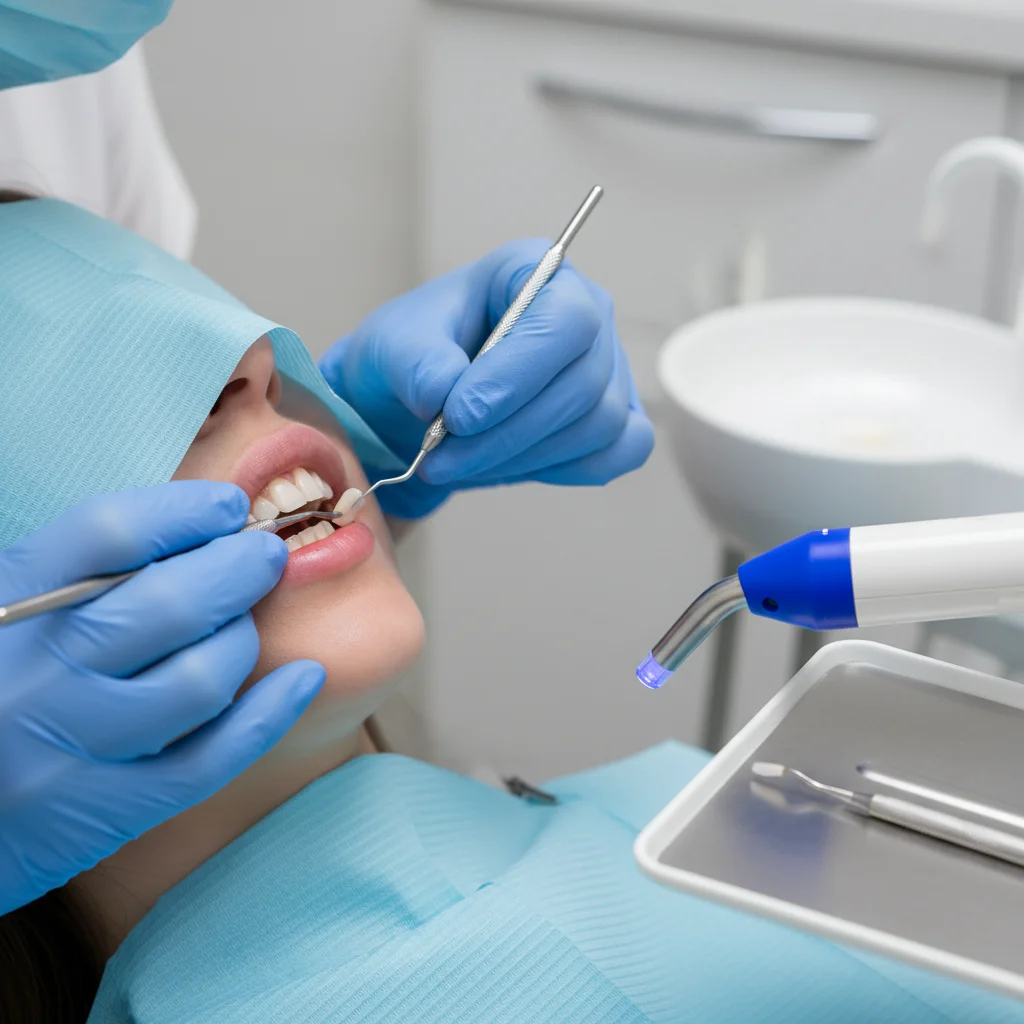
The process for getting composite veneers is straightforward and minimally invasive. Firstly, you will have a consultation with your dentist to discuss your goals and ensure your teeth and gums are healthy. If you have underlying issues like gum disease, those must be addressed first.
Step 1: Preparation. Your dentist will lightly etch the surface of your tooth to create a better bonding surface. Importantly, this often involves little to no drilling or removal of healthy tooth structure.
Step 2: Bonding and Sculpting. The dentist applies the tooth-colored composite resin in layers, shaping it to the desired form to correct chips, close gaps, or improve shape. A special curing light hardens each layer.
Step 3: Finishing. Once the final shape is achieved, your dentist will meticulously trim, contour, and polish the veneers to a high shine, ensuring they feel smooth and look natural alongside your other teeth.
Benefits and Potential Drawbacks
Composite veneers offer several compelling advantages, making them a suitable option for many patients.
Key Benefits:
* Cost-Effective: They are a more budget-friendly entry point into cosmetic dentistry.
* Conservative Treatment: Preserves more of your natural tooth enamel compared to porcelain veneers.
* Speed: Achieve your new smile in just one appointment.
* Repairable: Minor chips or stains can often be polished or repaired without replacing the entire veneer.
Potential Considerations:
* Staining: The resin material is more porous than porcelain and can stain over time from coffee, tea, red wine, and smoking. Maintaining good oral hygiene is paramount.
* Longevity: They have a shorter lifespan than porcelain and may need replacement or refurbishment sooner.
* Aesthetic Limit: While highly effective, they may not achieve the same level of translucency and brilliance as high-quality porcelain for very demanding aesthetic cases.
Caring for Your Composite Veneers
To maximize the lifespan and appearance of your investment, a consistent care routine is essential. Firstly, brush at least twice a day with a non-abrasive toothpaste and floss daily. Moreover, consider using a straw for staining beverages and rinse your mouth with water after consuming them. Additionally, avoid using your teeth as tools to open packages, and if you grind your teeth at night, ask your dentist about a protective nightguard. Regular dental check-ups and cleanings are also critical for monitoring the veneers and your overall oral health.
For those interested in natural health approaches, certain dietary choices can support wellness. For instance, understanding the nutritional value of graham crackers or the benefits of raw honey vs pure honey can be part of a holistic health strategy, though they don’t directly affect veneer care.
How Much Do Composite Veneers Cost?
The cost of composite veneers varies widely based on geographic location, the dentist’s expertise, and the number of teeth being treated. On average, you can expect to pay between $250 and $1,500 per tooth. Because they are considered a cosmetic procedure, they are typically not covered by dental insurance. However, many dental practices offer payment plans to make the treatment more accessible.
Are Composite Veneers Right for You?
Composite veneers are an excellent solution for correcting minor cosmetic issues and achieving a dramatic smile improvement with minimal commitment. They are ideal for patients looking for a quicker, more affordable option or those who wish to preserve as much natural tooth structure as possible. For more severe discoloration, large gaps, or major shape alterations, porcelain veneers might be recommended for their durability and superior aesthetics.
Ultimately, the best way to determine your candidacy is through a consultation with a qualified cosmetic dentist. They can assess your oral health, listen to your goals, and recommend the most appropriate path to your dream smile.
Disclaimer: This article is for informational purposes only and is not a substitute for professional medical advice. Always consult with a qualified dentist for diagnosis and treatment. For authoritative information on dental materials and procedures, you can refer to resources like the American Dental Association.

