
Lipotropic Injections: Benefits & Risks
Lipotropic Injections: A Detailed Guide to Fat-Burning Shots
Considering a boost for your weight management journey? Lipotropic injections have gained popularity as a potential tool to aid fat loss and improve energy. But what exactly are they, and do they live up to the hype? This comprehensive guide breaks down the science, benefits, and important considerations surrounding these shots.
What Are Lipotropic Injections?
Lipotropic injections are intramuscular or subcutaneous shots that contain a blend of compounds designed to support the liver’s function in metabolizing and removing fat. The term “lipotropic” itself means “fat-loving,” referring to substances that help break down fat during metabolism.
Primarily, these injections are promoted for weight loss, increased energy, and enhanced metabolic function. They are often administered in clinical settings by healthcare providers.
Common Ingredients in Lipotropic Formulas
The specific cocktail can vary, but most formulas include a combination of the following key ingredients:
- Methionine: An essential amino acid that helps process and remove fat from the liver.
- Inositol: A vitamin-like substance that aids in fat transportation from the liver.
- Choline: A vital nutrient often grouped with B-complex vitamins, crucial for liver health and fat metabolism.
- Vitamin B12 (Cobalamin): Frequently added for its role in energy production and the metabolism of fats and proteins.
- Other B Vitamins: Such as B6 (Pyridoxine) and B Complex, which support overall metabolic processes.
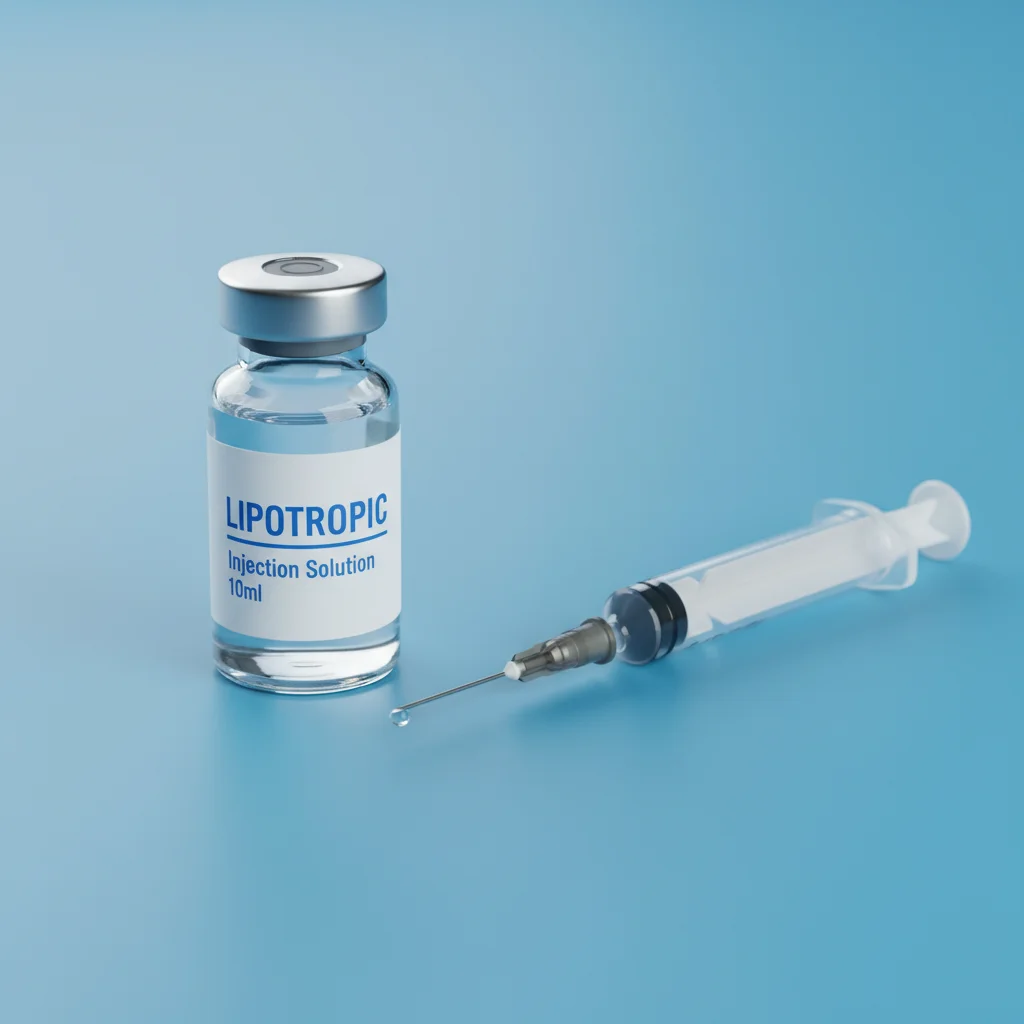
How Do Lipotropic Injections Work? The Proposed Mechanism
The theory behind lipotropic injections centers on supporting the liver, your body’s primary detoxification organ. Here’s a step-by-step look at the proposed mechanism:
- Fat Mobilization: The ingredients, particularly choline, inositol, and methionine, are believed to help emulsify fat stored in the liver. This process makes fat more accessible for use as energy.
- Liver Support: By aiding the liver’s natural fat-processing functions, these compounds may help prevent fatty liver disease, a condition where excess fat builds up in liver cells.
- Enhanced Metabolism: The inclusion of B vitamins, especially B12, is intended to boost energy levels and metabolic rate, potentially helping your body burn calories more efficiently.
- Fat Excretion: Ultimately, the goal is to facilitate the breakdown of fat so it can be excreted from the body or used for fuel.
It is crucial to understand, however, that these injections are not a magic solution. They are typically suggested as an adjunct to a comprehensive weight loss plan that includes a balanced diet and regular exercise.
Potential Benefits and Uses
Proponents of lipotropic injections cite several potential benefits, although more robust scientific research is needed to conclusively prove many of these claims for weight loss specifically.
- May Support Weight Loss Efforts: When combined with lifestyle changes, they could potentially enhance fat metabolism.
- Could Boost Energy Levels: The high dose of B12 is often reported to reduce fatigue and increase vitality, which can be beneficial for maintaining an active lifestyle.
- Promotes Liver Health: The lipotropic compounds are essential for liver function and may help in maintaining a healthy liver by preventing fat accumulation.
- May Improve Mood: Some B vitamins play a role in neurotransmitter synthesis, which could positively affect mood.
For individuals seeking other supportive supplements, exploring options like the best brain health supplements can be part of a holistic wellness strategy, as cognitive function and metabolic health are often interconnected.
Risks, Side Effects, and Important Considerations
Before considering lipotropic injections, it is vital to weigh the potential risks and consult with a qualified healthcare professional.
Potential Side Effects May Include:
* Pain, redness, or itching at the injection site
* Nausea or stomach upset
* Dizziness or lightheadedness
* Diarrhea
* Allergic reactions to any component
Critical Considerations:
* Not a Standalone Solution: They are not FDA-approved for weight loss and should not replace diet and exercise.
* Medical Supervision is Essential: Only receive injections from a licensed provider who can assess your health history. Improper administration carries risks.
* Underlying Conditions: They may not be suitable for individuals with certain medical conditions, such as kidney disease or specific vitamin sensitivities.
* Cost and Commitment: The treatments can be expensive and often require a series of injections for purported effects.
Lipotropic Injections vs. Other Weight Management Strategies
How do these injections compare to other methods? The table below outlines key differences.
| Strategy | How It Works | Key Considerations |
|---|---|---|
| Lipotropic Injections | Direct delivery of compounds to support liver fat metabolism and boost energy. | Requires clinical visits, potential side effects, cost can be high. Best as a potential adjunct. |
| Dietary Changes | Creates a calorie deficit and improves nutritional intake (e.g., a 9 vegan keto diet plan). | Foundation of weight management. Sustainable, cost-effective, but requires discipline. |
| Regular Exercise | Increases calorie expenditure, builds muscle, and improves metabolism. | Crucial for long-term health and weight maintenance. |
| Oral Supplements | Provides vitamins and compounds in pill/powder form (e.g., best powder supplements for gut health). | Less invasive, but absorption can vary. Quality and regulation are major concerns. |
The Verdict: Are Lipotropic Injections Right for You?
Lipotropic injections may offer a potential metabolic boost and energy increase for some individuals, primarily due to their high-dose B-vitamin content. However, they are not a miracle cure for obesity.
You might consider discussing them with your doctor if: you are already committed to a solid diet and exercise plan, have a diagnosed B12 deficiency, and are looking for an adjunct therapy under strict medical supervision.
You should likely avoid them if: you expect them to work alone, have budget constraints, or have health conditions that contraindicate their use. The most effective and sustainable path to weight management remains a balanced diet rich in whole foods, consistent physical activity, and healthy lifestyle habits.
Ultimately, informed decisions are the best decisions. Always prioritize evidence-based approaches and consult with healthcare professionals who can provide personalized advice tailored to your unique health profile. For more on supporting your body’s natural processes, you can read about the role of antioxidants for prostate health, which highlights the importance of specific nutrients for overall wellness.