
Vaginal Skin Tags: Causes & Removal
Understanding Skin Tags on the Vagina: A Complete Guide
Discovering a new skin growth in your genital area can be a source of significant worry. However, it’s important to know that skin tags on the vagina are an extremely common and typically harmless condition. This guide will explain what they are, why they appear, and how to manage them safely.
What Are Vaginal Skin Tags?
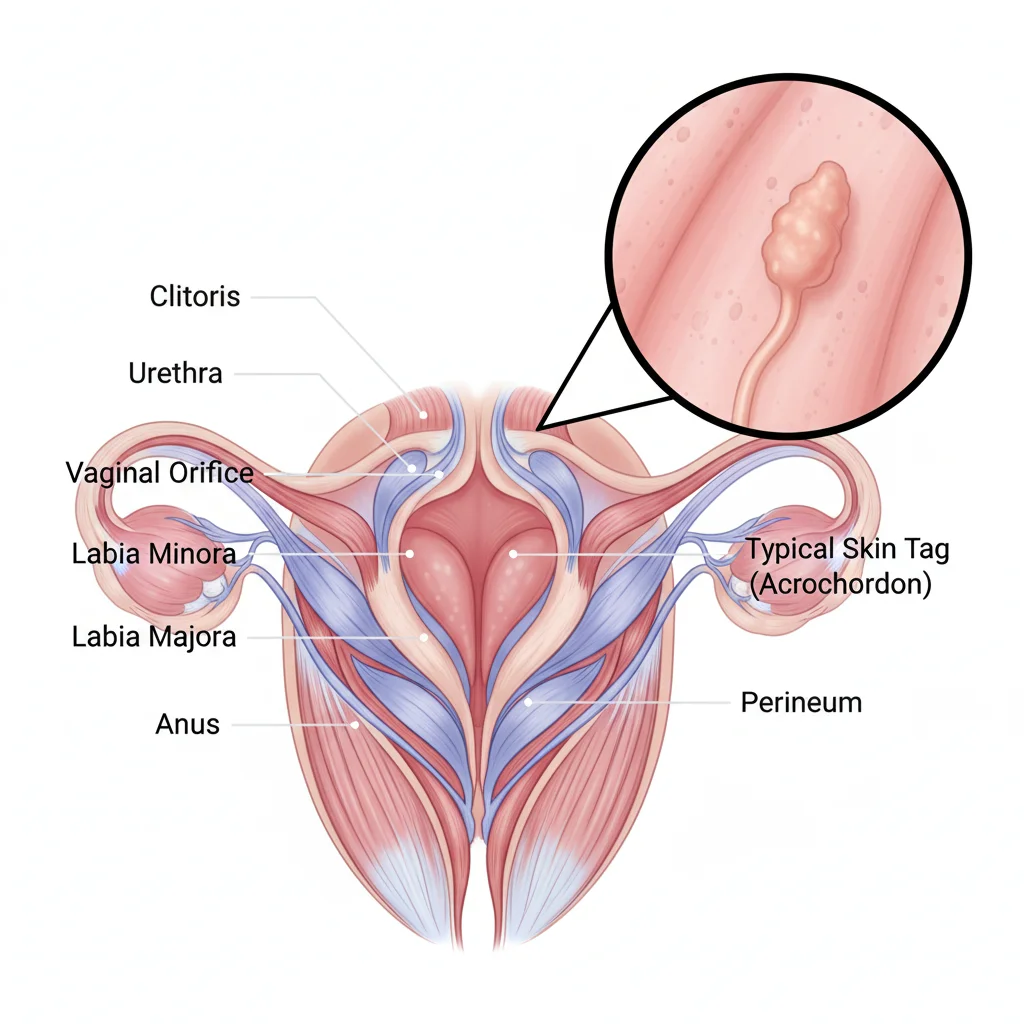
Vaginal skin tags, medically known as acrochordons, are small, soft, benign growths of skin. They are not cancerous and do not pose a serious health risk. They are connected to the skin by a thin stalk, or peduncle, which gives them their characteristic appearance.
Key Characteristics:
* Texture: Soft and fleshy.
* Appearance: Often look like tiny, deflated balloons or bumps on a stalk.
* Color: Typically match your skin tone but can be slightly darker.
* Size: Usually very small (1-5 mm), but can occasionally grow larger.
* Sensation: Generally painless unless irritated.
What Causes Skin Tags in the Genital Area?
The exact cause of skin tags is not fully understood, but they are linked to friction and hormonal factors. Consequently, they often appear in areas where skin rubs against skin or clothing.
Common Contributing Factors:
| Factor | Explanation & Mechanism |
|---|---|
| Friction & Skin Rubbing | This is the primary cause. Tight clothing, underwear seams, or skin folds in the groin area create constant minor irritation, leading to tag formation. |
| Hormonal Changes | Fluctuations in hormones, particularly during pregnancy, can trigger skin tag growth. Levels of estrogen and other growth factors increase, stimulating skin cell proliferation. |
| Insulin Resistance & Obesity | Conditions like diabetes or obesity are associated with higher levels of growth factors, which can promote the development of skin tags. |
| Genetics | A family history of skin tags can make you more prone to developing them. |
| HPV (Human Papillomavirus) | Important Distinction: While skin tags are NOT caused by HPV, the virus causes genital warts, which can look similar. A healthcare provider can differentiate them. |
Skin Tags vs. Genital Warts: Knowing the Difference
Because they appear in the same area, mistaking a skin tag for a genital wart is common. However, they are fundamentally different. Here’s a comparison to help you tell them apart:
| Feature | Skin Tag (Acrochordon) | Genital Wart (HPV) |
|---|---|---|
| Cause | Friction, hormones, genetics. | Human Papillomavirus (HPV) infection. |
| Surface | Smooth, wrinkled, or irregular but fleshy. | Often rough, cauliflower-like texture. |
| Attachment | Hangs by a distinct, thin stalk. | Broad-based; sits flat on the skin. |
| Growth Pattern | Usually solitary or few in number. | Often appear in clusters. |
| Contagious | No. They are not infectious. | Yes. Sexually transmitted. |
If you are unsure about any new growth, it is crucial to consult a healthcare professional for an accurate diagnosis. They can provide peace of mind and rule out other conditions.
Are Vaginal Skin Tags Dangerous? When to See a Doctor
In the vast majority of cases, vaginal skin tags are harmless. However, you should schedule a visit with a gynecologist or dermatologist if you notice:
- Rapid growth or change in color/texture.
- Bleeding, oozing, or persistent pain.
- Uncertainty about whether it’s a skin tag, wart, or mole.
- The tag becomes repeatedly irritated, snagged, or inflamed.
- Cosmetic concern or discomfort during sex or exercise.
A professional evaluation is the only way to get a definitive diagnosis and discuss safe removal options. For more information on general skin health and conditions, you can explore our guide on sore throat remedies, which discusses other common bodily responses to irritation.
Safe Removal Options for Vaginal Skin Tags
A critical warning: Never attempt to remove a vaginal skin tag at home. The genital skin is highly sensitive, and DIY methods (like tying with string, cutting, or using over-the-counter acids) carry a high risk of infection, bleeding, scarring, and misdiagnosis of a more serious condition.
A doctor can perform quick, safe, and effective removal procedures in a clinical setting:
- Cryotherapy: The skin tag is frozen off using liquid nitrogen. This is a common and quick method.
- Cauterization: The tag is burned off using an electric current (electrocautery). This method also seals the blood vessel to minimize bleeding.
- Surgical Excision: The doctor numbs the area and uses sterile scissors or a scalpel to snip off the tag. This is often the preferred method for larger tags.
- Ligation: A medical professional may tie off the tag’s stalk with sterile suture material to cut off its blood supply, causing it to fall off.
Prevention and Management Tips
While you can’t always prevent skin tags, you can minimize friction and irritation in the genital area:
- Wear loose-fitting, breathable clothing and cotton underwear.
- Keep the area dry and clean.
- Maintain a healthy weight to reduce skin folds and friction.
- Manage underlying conditions like insulin resistance with your doctor’s guidance.
Furthermore, supporting your overall health can contribute to better skin resilience. For instance, understanding nutrition, like the nutritional value of graham crackers, is part of a holistic approach to wellness.
Final Thoughts
Vaginal skin tags are a benign and common skin occurrence, primarily caused by friction and hormonal factors. While they can be annoying or a cosmetic concern, they are not dangerous or contagious.
The most important steps are to avoid self-removal, learn to distinguish them from warts, and consult a healthcare provider for proper diagnosis and treatment if needed. Prioritizing professional medical advice ensures your safety and provides the correct solution for your comfort and health.

