
White Gums: Causes & When to Worry
White Color on Gums: What Does It Mean?
Noticing a white spot or patch on your gums can be an alarming discovery. While it’s natural to feel concerned, it’s important to understand that a white color on gums can stem from numerous causes, ranging from completely harmless to those requiring professional medical attention. This guide will explore the potential reasons, associated symptoms, and the critical steps you should take.
Common Causes of White Gums or Patches
The appearance of white on your gum tissue is a symptom, not a diagnosis itself. Consequently, identifying the underlying cause is essential for proper care. Here are the most frequent culprits.
Canker Sores (Aphthous Ulcers)
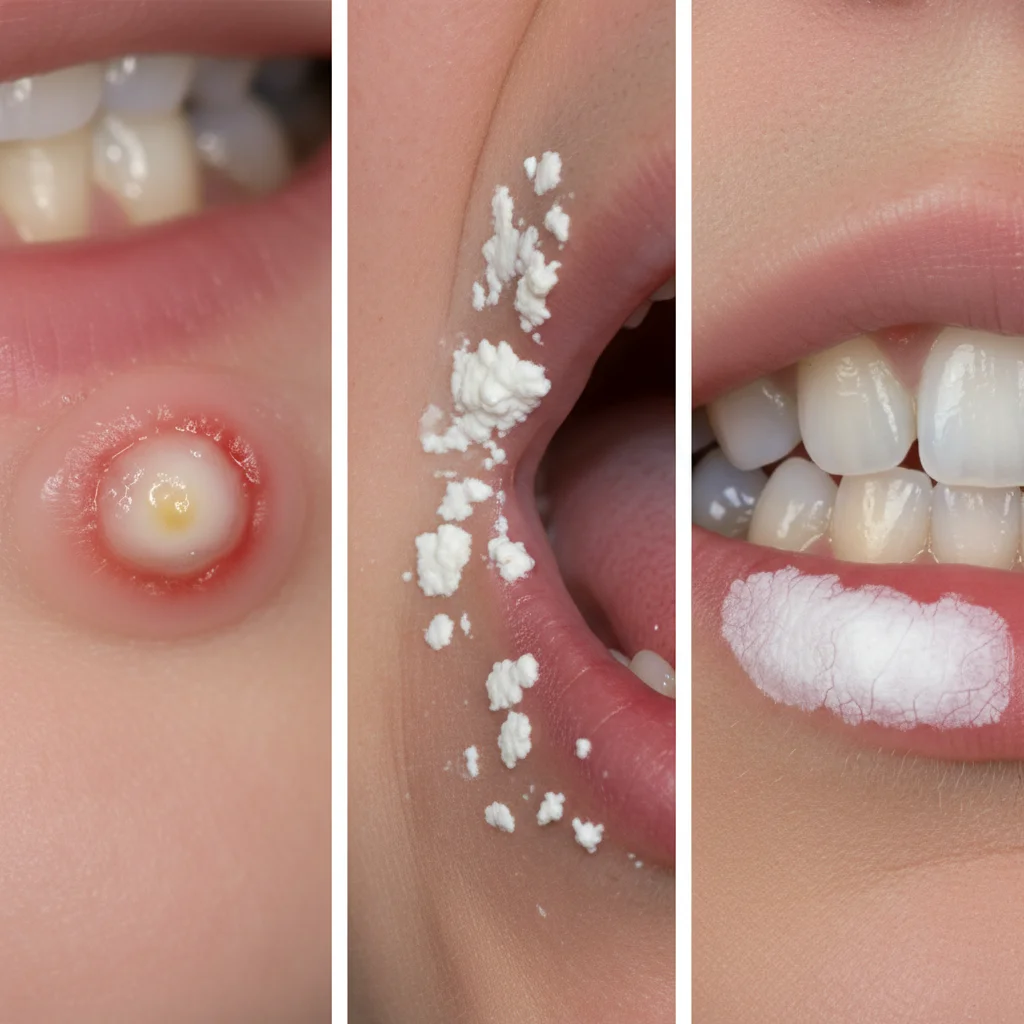
These common, painful mouth ulcers often have a white or yellowish center with a red border. They are not contagious and typically heal on their own within one to two weeks. Stress, minor mouth injuries, or certain foods can trigger them.
Oral Thrush (Candidiasis)
This is a fungal infection caused by Candida yeast. It appears as creamy white lesions that can be scraped off, often leaving a red, raw base. It’s more common in infants, the elderly, those with weakened immune systems, or people using certain medications like antibiotics or inhaled corticosteroids.
Leukoplakia
Characterized by thick, white patches that cannot be scraped off, leukoplakia is often linked to chronic irritation, such as from tobacco use (smoking or chewing) or rough teeth. Importantly, while usually benign, leukoplakia can sometimes be a precursor to oral cancer. Therefore, any persistent white patch must be evaluated by a dentist or doctor.
Oral Lichen Planus
This chronic inflammatory condition can create lacy, white, raised lines or patches on the gums and inside the cheeks. The cause is often an immune system response, and it may sometimes cause burning or discomfort.
Gingivitis and Poor Oral Hygiene
Plaque buildup along the gumline can sometimes cause a whitish film. Moreover, inflamed gums (gingivitis) may appear red and swollen but can also have areas that look pale or white due to the inflammatory process.
Less Common but Serious Causes
While many causes are minor, a white color on gums can occasionally signal a more significant health issue. Because of this, you should never ignore persistent changes.
- Oral Cancer: May start as a white or red patch, a sore that doesn’t heal, or a lump. Early detection is critical for successful treatment.
- Chemical Burns: From holding aspirin or other acidic substances against the gum.
- Systemic Conditions: Certain autoimmune diseases or nutritional deficiencies can manifest with oral symptoms.
Symptoms to Monitor Closely
When you notice a white area, pay attention to these accompanying signs. They can help your healthcare provider make an accurate diagnosis.
| Symptom | Possible Indication | Recommended Action |
|---|---|---|
| Painful, round sore with red border | Likely a canker sore. | Manage with OTC gels; usually heals in 1-2 weeks. |
| Creamy white lesions that wipe off | Suggests oral thrush. | Requires antifungal medication; see a doctor. |
| Thick, hard, non-removable patch | Could be leukoplakia. | Schedule a dental exam immediately. |
| Lacy, web-like white patterns | May indicate oral lichen planus. | Consult a dentist for diagnosis and management. |
| Patch combined with lump, bleeding, or numbness | Potential sign of oral cancer. | Seek prompt medical evaluation. |
| Fever or difficulty swallowing | May signal an infection. | Contact your doctor without delay. |
Diagnosis and When to See a Professional
You should schedule an appointment with your dentist or doctor if:
* The white patch lasts for more than two weeks.
* It is painful, changes in appearance, or grows.
* You have difficulty eating or swallowing.
* You are a tobacco user, as this significantly increases your risk for serious conditions.
During an exam, the professional will visually inspect your mouth and may perform a biopsy (removing a small tissue sample for lab analysis) if the cause is unclear or if cancer is suspected.
Treatment and Prevention Strategies
Treatment depends entirely on the underlying diagnosis. For instance, canker sores may need only topical anesthetics, while oral thrush requires prescription antifungals. Leukoplakia treatment focuses on removing the source of irritation, such as quitting tobacco.
Prevention is always the best medicine. You can support your oral and overall health by:
* Maintaining excellent oral hygiene (brushing twice daily, flossing).
* Scheduling regular dental check-ups and cleanings.
* Avoiding all forms of tobacco.
* Limiting alcohol consumption.
* Eating a balanced diet rich in vitamins and minerals to support your immune system. For example, understanding the nutritional value of graham crackers or other snacks can help you make better dietary choices.
* Managing underlying health conditions like diabetes.
Furthermore, systemic health and oral health are deeply connected. Issues in the mouth can reflect or influence other areas of the body. For a deeper look at how specific dietary components affect bodily systems, you might explore resources on targeted nutrition, such as information on supplements designed for prostate health.
Final Thoughts
In summary, a white color on your gums should prompt attention but not panic. Many causes are simple and resolve with minimal intervention. However, because some white patches can indicate pre-cancerous changes or other serious conditions, it is crucial not to adopt a “wait-and-see” approach for persistent lesions.
Ultimately, your dentist is your best ally in distinguishing a harmless spot from something that requires further investigation. Prioritizing your oral health is a key component of your overall well-being.