
Lump on Upper Mouth: Causes & Treatment
Understanding a Lump on the Upper Mouth: A Comprehensive Guide
Discovering a lump on the roof of your mouth can be an unsettling experience. However, it’s important to understand that many causes are benign and easily treatable. This guide will explore the potential reasons for a palatal lump, their symptoms, and the appropriate steps to take for diagnosis and treatment.
Common Causes of a Lump on the Roof of Your Mouth
Several conditions can manifest as a bump or swelling on your hard or soft palate. Identifying the accompanying symptoms is crucial for determining the likely cause.
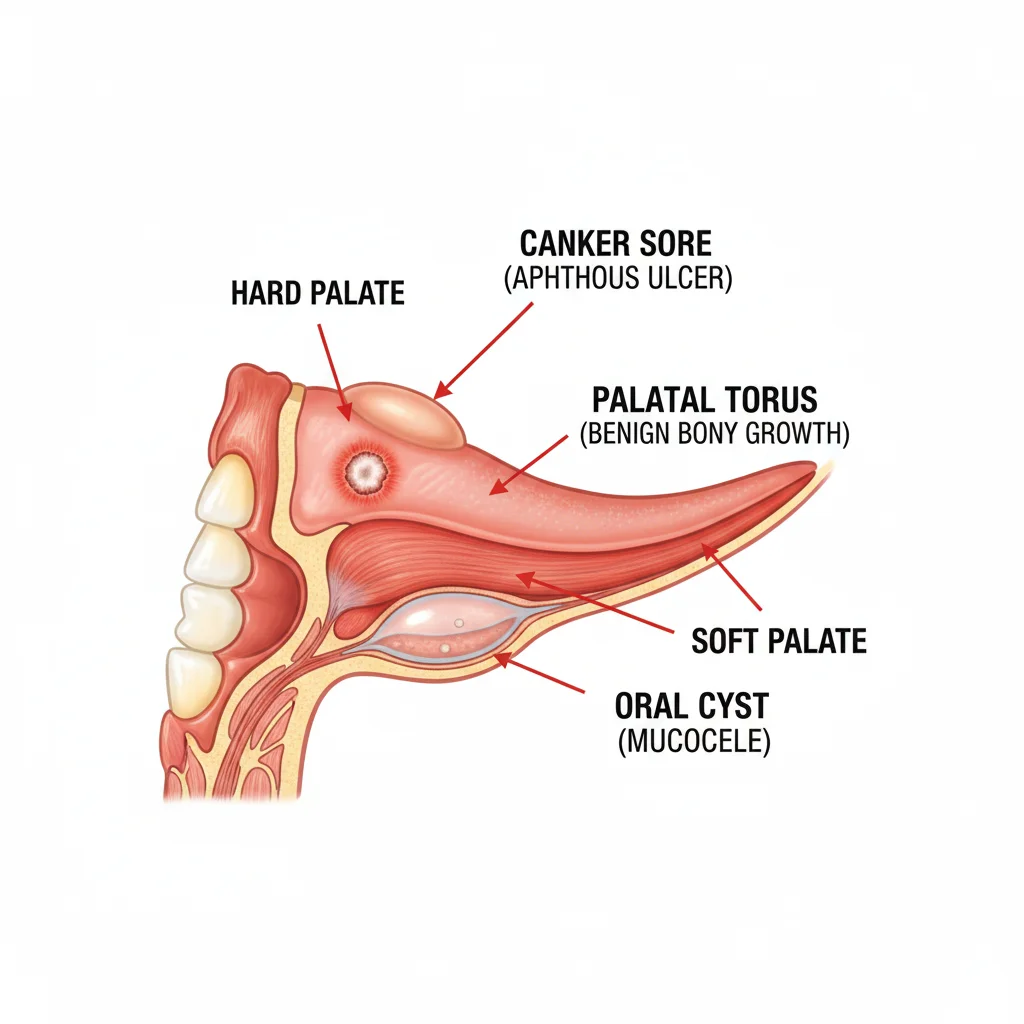
1. Canker Sores (Aphthous Ulcers)
Canker sores are among the most frequent culprits. These painful, shallow ulcers can appear on the soft palate. They are not contagious and often heal on their own within one to two weeks. Stress, minor injuries, or certain foods can trigger them.
2. Torus Palatinus
This is a harmless, bony growth that develops along the midline of the hard palate. It is a common anatomical variation, not a disease, and grows very slowly. Consequently, it usually requires no treatment unless it interferes with dentures or eating.
3. Mucocele
A mucocele is a fluid-filled cyst that forms when a salivary gland duct becomes blocked or injured. It often appears as a soft, bluish, painless lump on the inner lip or floor of the mouth, but it can occasionally occur on the palate.
4. Oral Cysts
Various types of cysts, such as a nasopalatine duct cyst, can develop in the palate. These are typically non-cancerous, fluid-filled sacs that may cause a noticeable bump.
5. Infections
Bacterial or viral infections can lead to abscesses or swollen tissue. For instance, a sore throat from strep or other infections can sometimes cause generalized swelling or specific bumps. You can learn more about identifying such infections in our guide on symptoms of strep throat.
6. Benign Tumors
Growths like papillomas (often related to HPV) or fibromas are usually non-cancerous. They tend to be slow-growing and may feel firm or soft to the touch.
7. More Serious Conditions
In rare cases, a lump could indicate oral cancer. Signs that warrant immediate medical attention include a lump that is hard, painless, bleeds easily, or is accompanied by numbness, difficulty swallowing, or a persistent sore throat.
Symptoms and Diagnosis: What to Look For
Paying close attention to the lump’s characteristics helps narrow down the cause. Here is a comparative table of common conditions:
| Condition | Typical Appearance | Pain Level | Common Location | Key Notes |
|---|---|---|---|---|
| Canker Sore | Small, round, white/yellow center with red border | Moderate to Severe | Soft Palate | Heals in 1-2 weeks; recurrent. |
| Torus Palatinus | Hard, bony, symmetrical lump | Painless | Midline Hard Palate | Genetic, slow-growing. |
| Mucocele | Soft, fluid-filled, bluish or clear | Usually Painless | Can occur on palate | May rupture and refill. |
| Oral Abscess | Red, swollen, may have pus | Severe, Throbbing | Near a tooth root | Often from dental infection. |
| Benign Tumor | Varies (smooth or rough) | Often Painless | Anywhere | Requires professional biopsy. |
If you notice a lump, a healthcare professional will perform a visual examination. They may ask about your medical history, duration of the lump, and any associated pain. For persistent or suspicious lumps, a biopsy—taking a small tissue sample for analysis—is the definitive diagnostic tool.
Treatment Options and Home Care
Treatment depends entirely on the underlying diagnosis. Many lumps require no intervention.
- Self-Resolving Conditions: Canker sores and minor irritations often heal with time. Moreover, rinsing with warm salt water can aid healing and provide relief.
- Medical Interventions: Dentists or oral surgeons can drain an abscess or surgically remove a bothersome mucocele, cyst, or torus palatinus. Additionally, antibiotics are prescribed for bacterial infections.
- Monitoring: For harmless growths like a small torus, the best course of action may be simple, regular monitoring for any changes.
Crucially, you should consult a doctor or dentist if the lump:
* Persists for more than two weeks.
* Grows rapidly or changes in appearance.
* Causes significant pain, bleeding, or numbness.
* Interferes with eating, swallowing, or speaking.
* Is accompanied by unexplained weight loss or a persistent sore throat.
Prevention and Overall Oral Health
While not all lumps are preventable, maintaining excellent oral hygiene is your first line of defense. This includes regular brushing, flossing, and dental check-ups. Furthermore, avoiding tobacco and limiting alcohol consumption significantly reduces the risk of serious oral health issues. A balanced diet rich in vitamins also supports a healthy mucosal lining in your mouth. For insights into nutritional choices, you might explore our article on the nutritional value of graham crackers.
When to Seek Professional Help
In summary, a lump on the upper mouth is often a minor issue. However, because it can rarely signal a more serious condition, it should not be ignored. Therefore, if you have any doubts or if the lump exhibits warning signs, schedule an appointment with your dentist or doctor promptly. Early evaluation provides peace of mind and ensures the best possible outcome.

