
Matcha Caffeine: Benefits & Calm Energy
Caffeine in Matcha: The Secret to Calm, Sustained Energy
For many, the morning ritual involves a swift caffeine hit from coffee. However, a growing number are turning to the vibrant green powder known as matcha for a profoundly different energy experience. But how much caffeine is actually in matcha, and why does it feel so unique? This post delves into the science of matcha caffeine, comparing it to other beverages and explaining its signature “calm alertness.”
How Much Caffeine Is in Matcha?
Firstly, it’s important to understand that matcha caffeine content is not a single fixed number. It varies based on the grade of matcha and how it’s prepared. Unlike steeped green tea where leaves are discarded, matcha involves consuming the entire ground tea leaf, resulting in a more concentrated intake of nutrients and caffeine.
A typical serving of matcha (about 1 gram or ½ to 1 teaspoon, whisked with 2-3 ounces of water) contains approximately 19-44 mg of caffeine. For comparison, a standard serving of coffee contains about 95 mg. Consequently, a cup of matcha generally has less caffeine than a standard cup of brewed coffee, but often more than a cup of steeped green tea.
| Beverage (Standard Serving) | Average Caffeine Content (mg) | Key Consumption Note |
|---|---|---|
| Matcha (1 tsp powder) | 19 – 44 mg | Entire leaf is consumed; content varies by grade. |
| Brewed Coffee (8 oz) | 95 mg | Wide variation based on brew method and bean. |
| Black Tea (8 oz) | 47 mg | Leaves are steeped, not consumed. |
| Green Tea (8 oz) | 28 mg | Leaves are steeped, not consumed. |
| Espresso (1 shot) | 64 mg | Highly concentrated, but serving size is small. |
Why Matcha Caffeine Feels Different: The L-Theanine Effect
The experience of matcha caffeine is famously described as “calm energy” or “alert calmness.” This is not merely marketing; it’s a direct result of matcha’s unique biochemical profile. The key differentiator is an amino acid called L-Theanine.
Matcha, especially high-quality ceremonial grade, is rich in L-Theanine. This compound promotes relaxation and alpha-wave production in the brain without causing drowsiness. Moreover, when combined with caffeine—as it naturally is in matcha—the effects are synergistic.
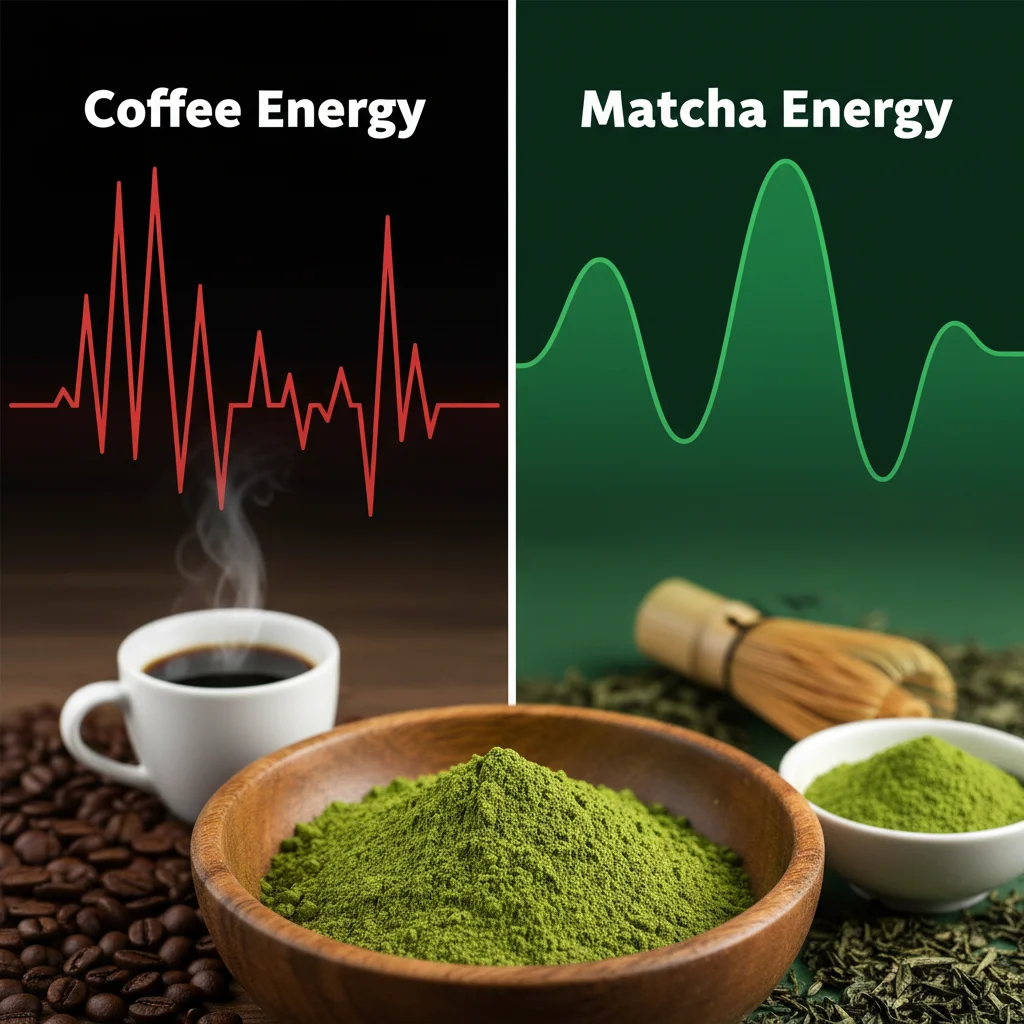
- Sustained Release: The caffeine from matcha is absorbed more slowly due to the presence of other compounds in the whole leaf. This leads to a gradual increase in energy without a sharp spike.
- Reduced Jitters and Crash: L-Theanine counteracts common side effects of caffeine like anxiety, jitters, and the subsequent energy crash. Therefore, you get focused alertness without the nervousness.
- Enhanced Focus: Studies suggest the caffeine-L-Theanine combination improves cognitive performance, attention, and memory better than caffeine alone.
Matcha vs. Coffee: A Detailed Caffeine Comparison
Choosing between matcha and coffee often depends on your desired outcome. Here’s a breakdown:
For a Rapid, Intense Energy Boost:
Coffee typically delivers caffeine faster and in a higher dose per serving, leading to a quick peak in alertness. This can be ideal for an immediate wake-up call but may be followed by a crash.
For Sustained, Focused Energy Without Jitters:
Matcha is the superior choice. The slower release of caffeine coupled with L-Theanine provides 4-6 hours of steady energy, ideal for prolonged focus, studying, or creative work. Additionally, matcha is less likely to cause digestive upset or acid reflux, which is common with coffee.
If you are managing other aspects of your health, such as blood sugar levels, the lack of a sharp stimulant crash from matcha can be beneficial for maintaining equilibrium.
Health Benefits Beyond Caffeine
The advantages of matcha extend far beyond its unique caffeine delivery. Because you ingest the whole leaf, you benefit from a dense concentration of antioxidants, notably catechins like EGCG. These compounds are researched for their role in supporting metabolism, heart health, and cellular protection.
Furthermore, matcha provides vitamins, minerals, and fiber. It’s a holistic wellness drink that supports overall vitality, which aligns with the goals of those seeking the best brain health supplements and nootropic aids.
How to Choose and Prepare Matcha for Optimal Benefits
To get the best caffeine and L-Theanine experience, follow these tips:
- Select Ceremonial Grade: For drinking, choose vibrant green, ceremonial-grade matcha. It is made from the youngest tea leaves, which have the highest L-Theanine and antioxidant content. Culinary grade is better for lattes and baking.
- Use Water Below Boiling: Ideal water temperature is about 175°F (80°C). Boiling water can scorch the matcha, making it bitter and potentially degrading some beneficial compounds.
- Sift and Whisk: Sift the powder into your bowl to avoid clumps. Use a bamboo whisk (chasen) to vigorously whisk in a “W” or “M” motion until a frothy layer forms on top. This ensures a smooth, lump-free drink and proper suspension of the powder.
Conclusion: Is Matcha Right for You?
In summary, matcha offers a sophisticated caffeine experience. It provides a moderate amount of caffeine that is balanced by the calming presence of L-Theanine, resulting in sustained, jitter-free energy and enhanced mental clarity. If you are sensitive to the side effects of coffee, seeking longer-lasting focus, or want to incorporate a potent antioxidant source into your routine, matcha is an excellent choice.
Ultimately, the unique synergy of compounds in this powdered green tea demonstrates that when it comes to stimulants, the source and composition matter just as much as the caffeine quantity itself.

