
Turf Burn Treatment & Prevention Guide
The Athlete’s Guide to Turf Burn: Treatment, Prevention, and Healing
If you play sports on artificial turf, you’ve likely experienced the painful, abrasive injury known as turf burn. This common wound occurs when skin slides forcefully across synthetic grass, resulting in a painful, raw abrasion that stings intensely and is prone to infection. Understanding proper care is crucial, therefore, for any athlete looking to stay on the field.
What Exactly Is a Turf Burn?
A turf burn is a type of friction abrasion. Unlike a simple scrape on concrete, artificial turf is often made from plastic fibers filled with fine rubber granules and sand. Consequently, when your skin makes contact, it doesn’t just scrape—it can embed tiny particles into the wound. This abrasive action removes the top layers of skin, exposing nerve endings and creating a burning sensation. Moreover, the open wound provides a direct entry point for bacteria commonly found on playing surfaces, significantly raising the risk of infection compared to other minor abrasions.
Immediate Steps: Your Turf Burn First Aid Protocol
Acting quickly is paramount to promote healing and prevent complications. Here is a step-by-step guide for immediate care:
- Stop Playing and Assess: Firstly, leave the game or practice immediately to prevent further irritation and contamination.
- Rinse with Cool Water: Gently rinse the affected area with cool, clean running water for several minutes to remove debris, dirt, and turf particles.
- Wash with Mild Soap: Using a gentle soap and your clean hands, carefully wash the burn. Avoid using harsh scrubs or brushes, as this can cause more damage.
- Pat Dry: Gently pat the area dry with a clean, soft towel. Do not rub.
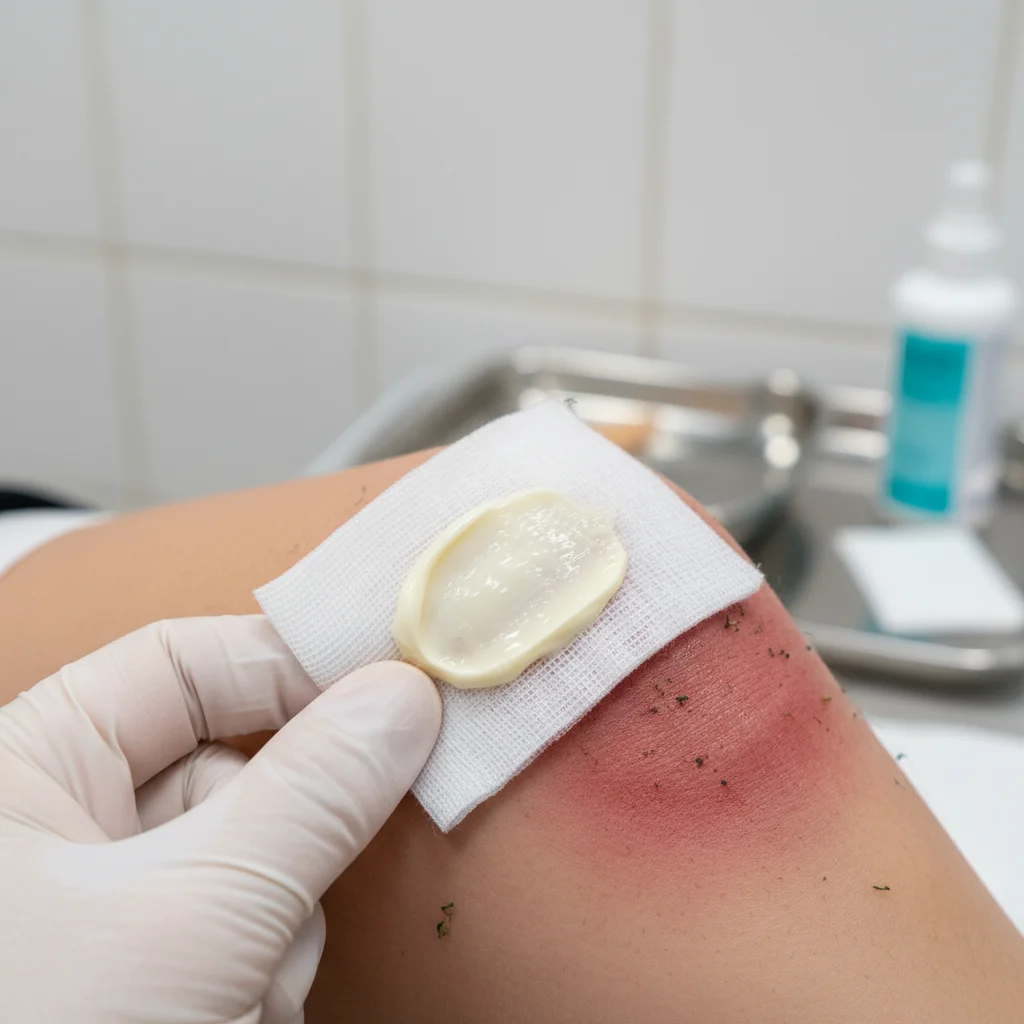
- Apply an Antibiotic Ointment: Cover the clean, dry abrasion with a thin layer of antibiotic ointment (like bacitracin or neomycin) to create a protective barrier against bacteria.
- Cover with a Dressing: Use a non-stick sterile gauze pad or a hydrogel dressing. These are ideal because they keep the wound moist—which accelerates healing—and prevent the bandage from sticking to the raw skin.
- Manage Pain: You can take an over-the-counter pain reliever like ibuprofen or acetaminophen to manage pain and reduce inflammation.
Critical Signs of Infection
Monitor your turf burn closely. You should consult a healthcare professional if you notice:
* Increased redness, swelling, or warmth around the wound.
* Pus or yellowish discharge.
* Red streaks radiating from the injury.
* Fever or chills.
* Pain that intensifies rather than improves.
The Turf Burn Healing Timeline: What to Expect
Healing occurs in stages. Here’s a typical progression for a mild to moderate turf burn:
| Stage | Timeframe | What to Expect & Care Tips |
|---|---|---|
| Initial Injury & Inflammation | Day 1 | Raw, painful, weeping wound. Focus on thorough cleaning, application of antibiotic ointment, and keeping it covered. |
| Early Healing | Days 2-4 | Redness and pain begin to subside. A scab may start to form. Continue to keep the area clean and covered, especially during activities. |
| New Skin Growth | Days 5-10 | New, pink skin forms under the scab. Itching is common. Resist the urge to pick the scab, as this can cause scarring and re-open the wound to infection. |
| Maturation | Weeks 2-4 | The skin strengthens and regains pigment. The area may remain sensitive. Use sunscreen on the healed skin, as new skin is highly susceptible to sun damage. |
Top Prevention Strategies for Athletes
Prevention is always better than treatment. You can drastically reduce your risk by incorporating these strategies:
- Wear Protective Gear: This is the most effective method. Always wear long sleeves, compression shirts, tights, or pants made from durable, moisture-wicking materials. Knee and elbow pads are essential for sports like volleyball or football.
- Use Skin Barriers: Apply a liquid bandage or a protective film-forming spray to high-risk areas (knees, elbows, thighs) before playing. These products create a transparent, flexible shield.
- Stay Moisturized: Healthy, moisturized skin is more supple and may be slightly more resistant to abrasion than dry, cracked skin. For natural skin-soothing options, consider ingredients like those found in chamomile tea, known for its calming properties.
- Inspect the Field: Before play, quickly check for overly dry, worn, or compacted areas of turf that might be more abrasive.
Long-Term Care and Scar Management
Even with perfect care, turf burns can leave temporary marks or scars. To support your skin’s recovery from the inside out, proper nutrition is key. A diet rich in vitamins and minerals supports collagen production and tissue repair. For instance, understanding your blood sugar levels guide can help you maintain stable energy and reduce systemic inflammation, which is beneficial for overall healing. Additionally, consider incorporating foods high in antioxidants to combat oxidative stress in the body.
For the external scar, once the wound is fully closed:
* Apply silicone gel or sheets to help flatten and fade scar tissue.
* Massage the area daily with a moisturizer to improve skin elasticity.
* Always apply a broad-spectrum sunscreen (SPF 30 or higher) to the healed area, as UV exposure can darken scars permanently.
Final Thoughts
Turf burns are an unpleasant but manageable part of many sports. By responding with prompt and proper first aid—emphasizing cleaning, covering, and monitoring for infection—you can ensure a smooth recovery. Furthermore, adopting consistent preventive measures like wearing protective clothing is your best defense. Remember, because the skin is your body’s largest organ, taking care of it allows you to perform at your peak for seasons to come.

