
Tattoo Aftercare Guide
The Ultimate Guide to Tattoo Care Instructions
Getting a new tattoo is an exciting experience, but the work doesn’t end when you leave the studio. Proper aftercare is the single most important factor in how your tattoo heals, looks, and lasts a lifetime. Consequently, following the correct tattoo care instructions is non-negotiable. This comprehensive guide will walk you through every step, from the moment your artist finishes to the final healed result.
Why Tattoo Aftercare is Absolutely Critical
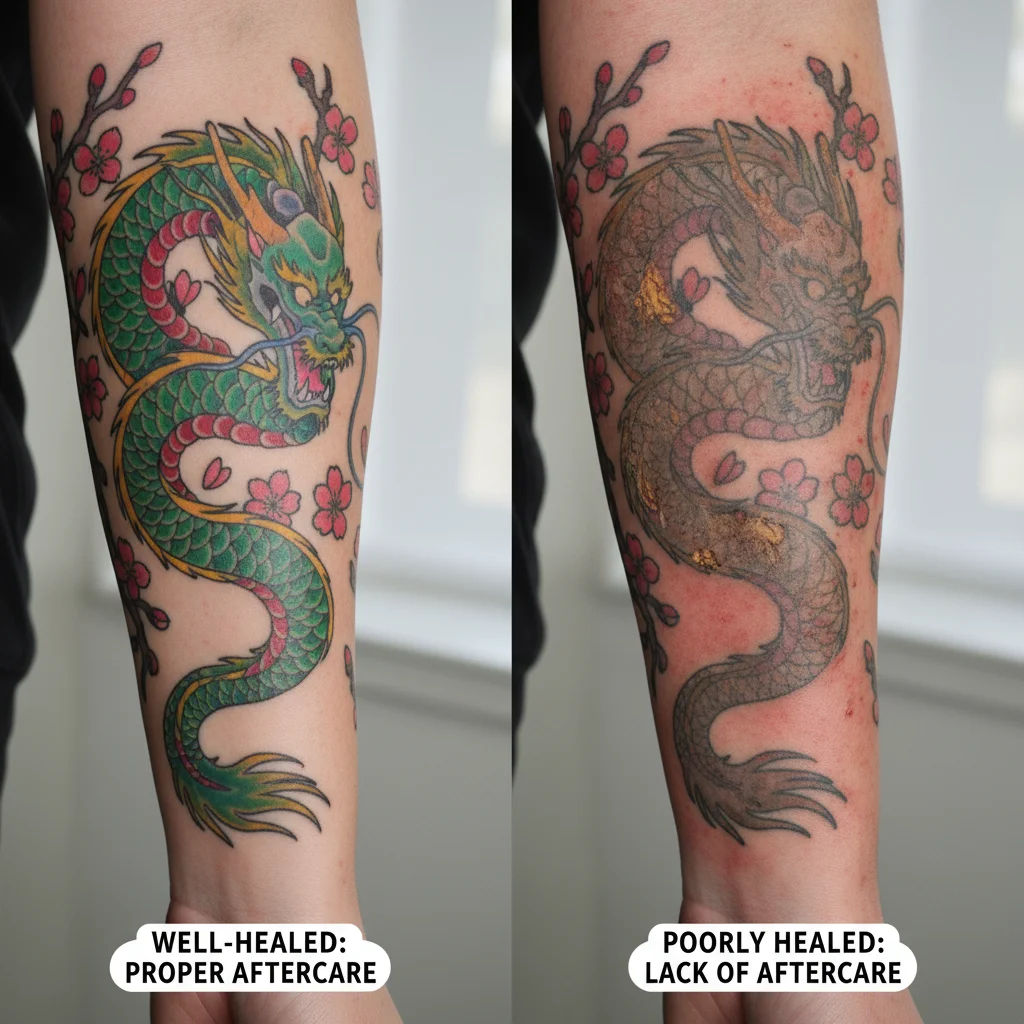
Firstly, a tattoo is essentially an open wound. Your artist has used needles to deposit ink into the dermis layer of your skin. Therefore, your body initiates a healing process, and how you manage that process determines the outcome. Neglecting aftercare can lead to serious complications like infections, which can damage the tattoo and your health. Moreover, poor healing can cause ink to fade, blur, or even fall out, resulting in a patchy and disappointing final piece. Following these instructions diligently protects your investment and your skin.
Your Step-by-Step Tattoo Care Timeline
Phase 1: The First Few Hours (The Fresh Wound)
Your artist will clean the tattoo and apply a thin layer of ointment before covering it with a bandage or protective film. Leave this initial covering on for the time specified by your artist, typically 2-6 hours. This shield protects the fresh tattoo from bacteria and irritants.
Phase 2: The First 2-3 Days (Cleaning & Moisturizing)
After removing the initial covering, the real care begins.
1. Wash Your Hands: Always, without exception, wash your hands thoroughly before touching your tattoo.
2. Gently Cleanse: Use lukewarm water and a mild, fragrance-free antibacterial soap. With clean fingertips, gently wash the tattoo to remove any plasma, ink, and blood. Pat it completely dry with a clean paper towel—do not rub.
3. Apply a Thin Layer of Ointment: Apply a very small amount of a recommended aftercare product (like a specialized tattoo ointment or a thin layer of plain petroleum jelly). The goal is to keep it lightly moisturized, not smothered. Over-application can clog pores and hinder healing.
4. Repeat: Wash and apply ointment 2-3 times a day.
Phase 3: Days 4-14 (The Peeling & Itching Stage)
Around this time, your tattoo will begin to peel and flake, much like a sunburn. This is completely normal.
* Do Not Pick or Scratch: Picking at scabs or peeling skin can pull ink out and cause scarring. If it itches, gently slap it or apply a bit more moisturizer.
* Switch to Lotion: As the tattoo enters the peeling phase, you can usually switch from a thicker ointment to a mild, fragrance-free lotion. Continue to apply a thin layer to keep the skin supple and manage itching.
* Continue Gentle Washing: Maintain your cleaning routine once or twice a day.
Phase 4: Weeks 3-4 Onward (Final Healing & Long-Term Care)
The surface will be healed, but the skin underneath may still be settling.
* Moisturize as Needed: Keep the area moisturized with lotion, especially if it feels tight or dry.
* Sun Protection is FOREVER: Once fully healed, always apply a high-SPF, broad-spectrum sunscreen to your tattoo. UV rays are the primary cause of tattoo fading and blurring over time. For more on protecting your body’s canvas, explore our guide on antioxidants for prostate health, which delves into how antioxidants combat skin damage.
What to Avoid During Tattoo Healing
To ensure optimal results, you must avoid certain activities and substances.
* Submersion: No swimming pools, oceans, hot tubs, or baths. Showering is fine, but avoid soaking the tattoo.
* Direct Sunlight: Keep your new tattoo out of the sun and away from tanning beds.
* Tight or Abrasive Clothing: Wear loose, soft clothing over the tattoo to prevent irritation and chafing.
* Scratching or Picking: As mentioned, this is the quickest way to ruin your tattoo.
* Excessive Sweating: Try to avoid heavy gym sessions or activities that cause excessive sweat to soak the tattoo for the first few days.
Recognizing Signs of Trouble
While proper care prevents most issues, it’s vital to know the signs of infection or allergic reaction. Contact a healthcare professional immediately if you notice:
* Increasing redness, swelling, or heat radiating from the area.
* Thick, green, or yellow pus (note: clear plasma and a little ink is normal initially).
* Red streaks extending from the tattoo.
* Fever or chills.
Recommended Aftercare Products
Using the right products simplifies the healing process. Here’s a comparison of common options:
| Product Type | Best For | Key Consideration |
|---|---|---|
| Specialist Tattoo Ointment | Initial healing phase (Days 1-3) | Often contains skin-friendly vitamins; use sparingly. |
| Fragrance-Free Lotion | Peeling & long-term moisturizing (Days 4+) | Keeps healed skin supple; choose a simple formula. |
| Plain Petroleum Jelly | Initial barrier (if recommended by artist) | Excellent occlusive; can be too heavy if overused. |
| Antibacterial Soap | Cleaning throughout healing | Must be mild and fragrance-free to avoid irritation. |
For insights on choosing pure, skin-friendly products, you might find our analysis of raw honey vs pure honey interesting, as it discusses the importance of understanding product purity and processing.
Long-Term Tattoo Maintenance
Your responsibility doesn’t end after a month. For a tattoo to stay vibrant for decades, integrate these habits:
* Moisturize Regularly: Healthy, hydrated skin shows ink better.
* Sun Protection: Reapply sunscreen every two hours when exposed. This is the most crucial long-term care step.
* Healthy Skin Care: A good overall skincare routine supports the appearance of your tattoos. Similarly, maintaining internal health is key; for instance, understanding bodily functions can be as important as external care, much like monitoring your blood sugar levels guide for overall wellness.
Final Thoughts
Following these tattoo care instructions meticulously is the ultimate act of respect for the art on your skin and the artist who created it. The healing process requires patience and discipline, but the reward is a crisp, beautiful, and healthy tattoo that you can proudly display for life.
Remember, when in doubt, always follow the specific advice of your licensed tattoo artist and consult a doctor for any signs of infection.


One thought on “Tattoo Aftercare Guide”
Comments are closed.