
Bump on Gums: Causes & When to See Dentist
What Does a Bump on Your Gums Mean? A Complete Guide
Discovering a bump on your gums can be an unsettling experience. Is it a minor irritation or a sign of something more serious? Understanding the potential causes is the first step toward addressing it properly. This guide will walk you through the common reasons for gum bumps, their symptoms, and the critical steps you should take.
Common Causes of a Bump on Gums
A lump or swelling on the gum tissue, medically referred to as a gingival bump, can stem from various conditions. These range from harmless irritations to infections that require prompt treatment. Here’s a breakdown of the most frequent culprits.
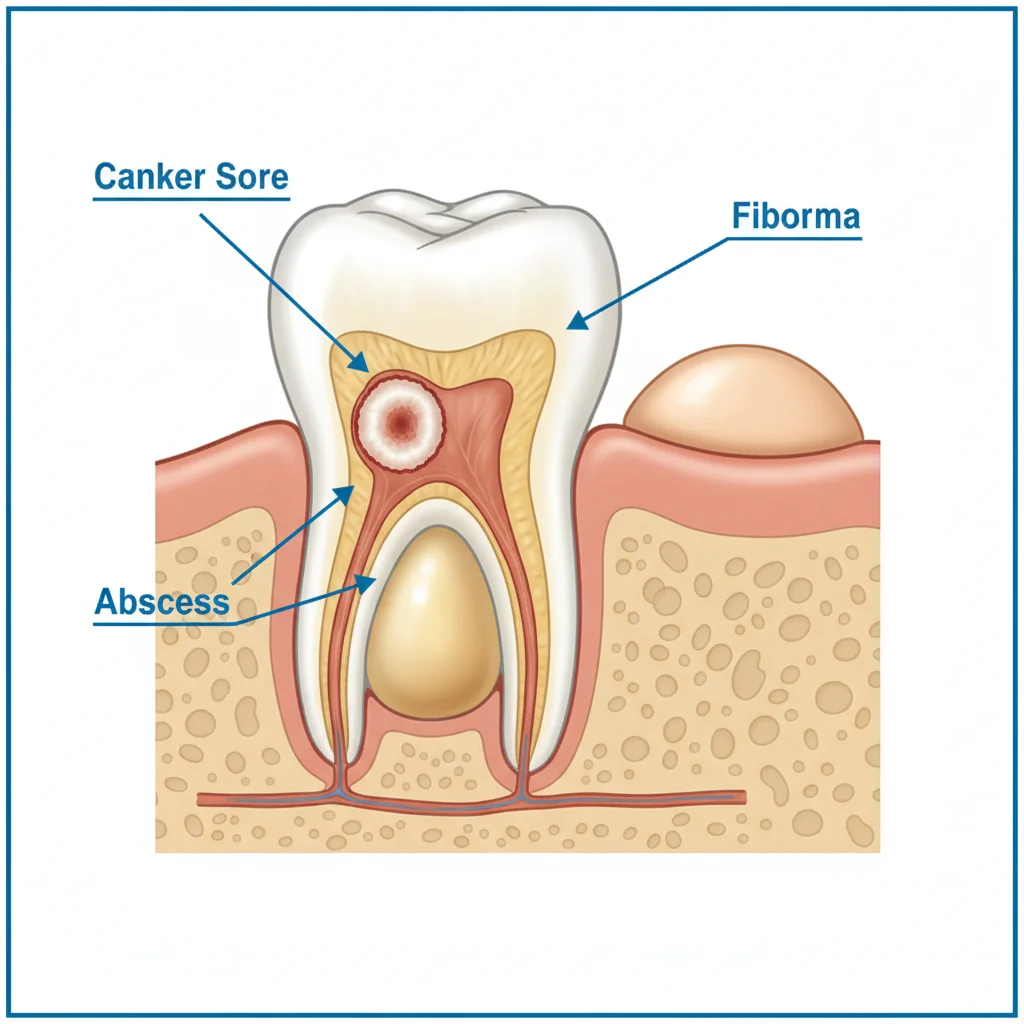
1. Canker Sores (Aphthous Ulcers)
These painful, small ulcers with a white or yellow center and red border can appear on the gums. They are not contagious and are often triggered by stress, minor injury, or certain foods. They typically heal on their own within one to two weeks.
2. Dental Abscess
A dental abscess is a pocket of pus caused by a bacterial infection. There are two main types that affect gums:
* Periapical Abscess: Originates from an infected tooth’s pulp.
* Periodontal Abscess: Begins in the gum pocket next to a tooth.
This condition often presents as a painful, red, and swollen bump that may feel warm. It requires immediate dental attention, as the infection can spread.
3. Fibroma
A fibroma is a common, benign (non-cancerous) lump of connective tissue. It’s typically smooth, dome-shaped, and the same color as your gum. Fibromas are usually painless and often result from chronic irritation, such as from dentures or a sharp tooth.
4. Pyogenic Granuloma
This is a red, raw-looking bump that bleeds easily. It’s a benign, inflammatory overgrowth of tissue often linked to hormonal changes (like pregnancy), minor trauma, or local irritation. Despite its name, it is not an infection of pus (“pyogenic”).
5. Cysts
Dental cysts are fluid-filled sacs that can develop on the gums, often near the roots of dead or buried teeth. They usually grow slowly and may not be painful unless they become infected.
6. Oral Cancer
While less common, a persistent bump or sore that does not heal could be a sign of oral cancer. Other warning signs include white or red patches, numbness, and difficulty chewing or swallowing. Any sore or lump that lasts more than two weeks should be evaluated by a professional.
Symptoms and Identification Table
Use this table to help correlate your symptoms with potential causes. Remember, this is for informational purposes only; a dentist must provide a definitive diagnosis.
| Bump Appearance & Sensation | Possible Cause | Typical Symptoms | Urgency Level |
|---|---|---|---|
| Small, painful white/yellow ulcer | Canker Sore | Burning sensation, pain with spicy/acidic foods | Low (Heals in 1-2 weeks) |
| Red, swollen, painful, warm to touch | Dental Abscess | Throbbing pain, fever, bad taste in mouth | High (See dentist ASAP) |
| Smooth, pink, firm, and painless | Fibroma | Feels like a hard knot, doesn’t bleed | Medium (Schedule dental visit) |
| Red, raw, bleeds easily | Pyogenic Granuloma | Rapid growth, often in pregnant individuals | Medium (Schedule dental visit) |
| Slow-growing, may feel like a bubble | Cyst | Often painless unless infected | Medium (Requires evaluation) |
| Hard, persistent, irregular shape | Possible Oral Cancer | Ulcer that won’t heal, numbness, voice changes | High (Seek immediate evaluation) |
When to See a Dentist or Doctor
You should schedule a dental appointment if you notice any bump that:
* Persists for more than two weeks.
* Grows rapidly or changes in appearance.
* Causes severe pain, bleeding, or pus discharge.
* Is accompanied by fever, which can indicate a spreading infection.
* Interferes with eating, swallowing, or breathing.
For a dental abscess or suspected oral cancer, seek care immediately. Early intervention is crucial for preventing complications, such as the spread of infection to the jaw or bloodstream. For general oral wellness, understanding your overall prostate health can be insightful, as systemic health is often interconnected.
Diagnosis and Treatment Options
Your dentist will perform a visual examination and may take dental X-rays to see the underlying bone and tooth roots. In some cases, a biopsy (taking a small tissue sample) might be recommended to rule out cancer.
Treatment depends entirely on the diagnosis:
* Canker Sores: Managed with topical anesthetics or antimicrobial mouthwashes.
* Abscess: Treated with drainage of the pus, a root canal, or tooth extraction, alongside antibiotics.
* Fibroma/Pyogenic Granuloma: Often removed via minor surgical excision.
* Cysts: Typically require surgical removal.
* Cancer: Treatment involves surgery, radiation, and/or chemotherapy.
Maintaining excellent oral hygiene is the best preventive measure. Moreover, a balanced diet supports your body’s ability to heal; for instance, learning about the nutritional value of graham crackers can help you make better snack choices that are less likely to irritate sensitive gums.
Home Care and Prevention
While you should never ignore a persistent bump, you can manage minor irritation at home. Rinsing with warm salt water can reduce inflammation and promote healing. Over-the-counter oral gels can provide temporary pain relief for canker sores. Crucially, avoid popping or squeezing any bump on your gums, as this can introduce more bacteria and worsen an infection.
Preventive care is your best defense. Brush twice daily with a soft-bristled toothbrush, floss regularly, and see your dentist for cleanings and check-ups every six months. Additionally, lifestyle factors like stress management and a healthy diet play a role. For example, soothing herbal teas like chamomile tea may help with overall relaxation and inflammation.
Conclusion: Don’t Ignore Gum Changes
In summary, a bump on your gums can signify anything from a simple canker sore to a serious infection. Therefore, paying attention to its characteristics—such as size, color, pain level, and duration—is essential. Consequently, if you have any doubt or if the bump is painful or persistent, consulting a dental professional is the safest course of action. Ultimately, proactive oral care and timely professional evaluation are the keys to maintaining a healthy smile.