
Facetite: Minimally Invasive Facelift Guide
Facetite: Your Guide to Minimally Invasive Facial Contouring
Are you seeking a refreshed, more youthful appearance without the extensive downtime of a traditional surgical facelift? Consequently, you may have encountered the term “Facetite.” This innovative procedure has gained significant popularity as a powerful, minimally invasive alternative for addressing mild to moderate skin laxity. This comprehensive guide will explain what Facetite is, how it works, and what you can realistically expect.
What is Facetite? Understanding the Technology
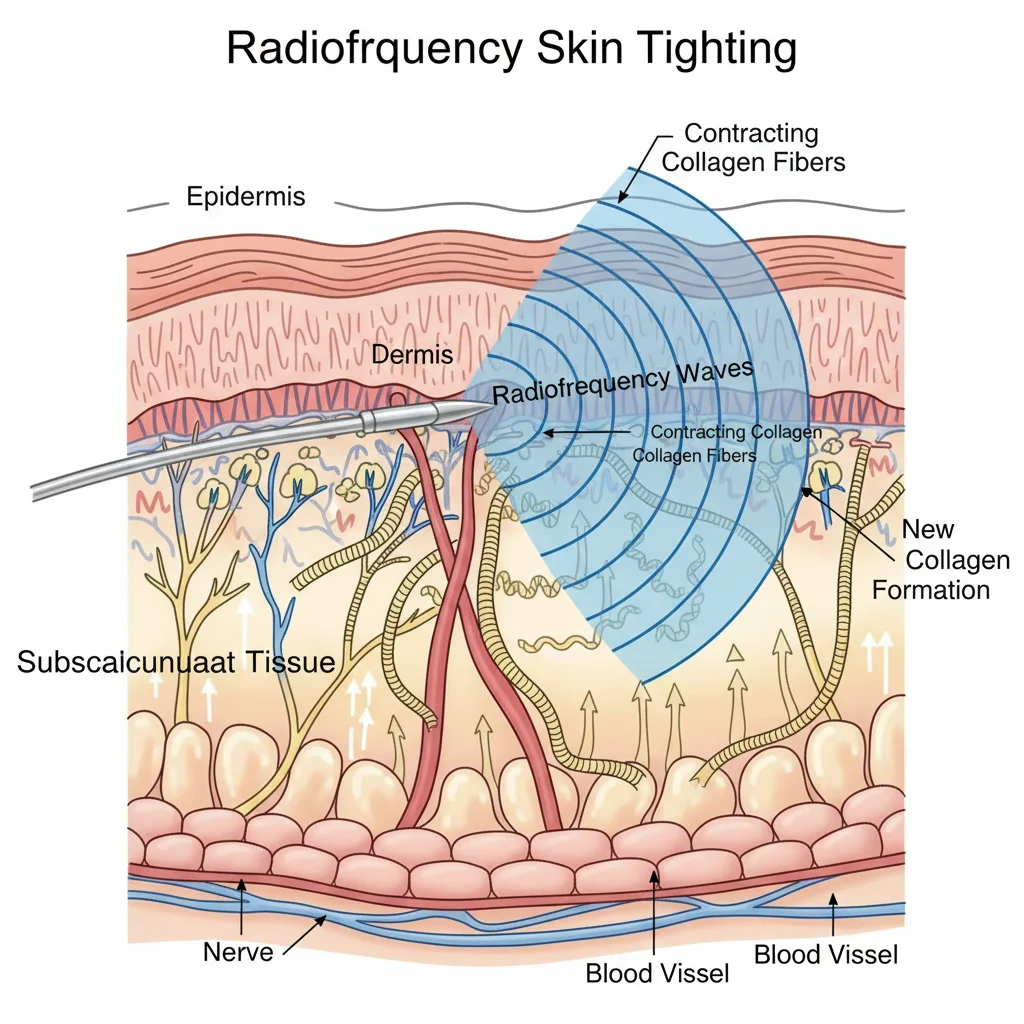
Facetite is a minimally invasive radiofrequency (RF) skin tightening procedure. It utilizes a specialized device that delivers controlled thermal energy beneath the skin’s surface through a tiny cannula (a thin tube). This targeted energy heats the deeper layers of tissue, stimulating the body’s natural production of collagen and elastin—the proteins responsible for skin firmness and elasticity.
The core mechanism is twofold. Firstly, the RF energy causes immediate tissue contraction. Secondly, and more importantly, it triggers a wound-healing response that promotes new collagen formation over the following months. The result is a gradual, natural-looking tightening and lifting of the skin, particularly effective for the lower face, jawline, and neck.
Facetite vs. Traditional Facelift: A Clear Comparison
Choosing the right procedure depends entirely on your individual goals, skin condition, and tolerance for recovery. Therefore, understanding the key differences is crucial.
| Feature | Facetite | Traditional Surgical Facelift |
|---|---|---|
| Invasiveness | Minimally invasive, uses tiny incisions | Invasive surgery with longer incisions |
| Anesthesia | Typically local anesthesia with oral sedation | Usually general anesthesia |
| Primary Goal | Skin tightening and mild contouring | Removal of excess skin and fat, major repositioning of tissues |
| Ideal Candidate | Patients with mild to moderate skin laxity, good skin elasticity | Patients with significant skin sagging and loss of facial volume |
| Downtime | 3-7 days of social downtime, minimal bruising/swelling | 2-3 weeks or more of significant recovery |
| Results Timeline | Gradual improvement over 3-6 months as collagen rebuilds | Immediate, dramatic results once swelling subsides |
| Scarring | Virtually undetectable, tiny incisions | Permanent, though well-concealed, scarring |
| Longevity | Several years; maintenance treatments possible | 7-10 years or longer |
The Key Benefits and Potential Drawbacks of Facetite
Like any cosmetic procedure, Facetite presents a specific set of advantages and considerations.
Major Advantages
- Minimally Invasive: Because it requires only small incisions, the risk of complications is generally lower than with major surgery.
- Reduced Downtime: Patients can often return to non-strenuous work and social activities within a week.
- Natural-Looking Results: The results evolve gradually as your body produces new collagen, avoiding a sudden, “pulled” appearance.
- Local Anesthesia: Moreover, avoiding general anesthesia reduces associated risks and leads to a quicker post-procedure recovery.
- Combination Potential: It is frequently combined with other procedures like liposuction for submental fat (under the chin) or injectable fillers for a comprehensive rejuvenation.
Important Considerations
- Not for Severe Laxity: It is not a substitute for a surgical facelift in cases of advanced aging and heavy sagging.
- Gradual Results: Patience is required, as the full effect takes months to manifest.
- Cost: While less expensive than a full facelift, it is still a significant investment and is typically not covered by insurance.
- Temporary Side Effects: These can include swelling, bruising, tenderness, and numbness, all of which usually resolve within weeks.
What to Expect: The Facetite Procedure & Recovery Timeline
During the Procedure
Under local anesthesia, your surgeon will make a few minuscule incisions, often near the ears or in the hairline. They will then insert the Facetite cannula to deliver the radiofrequency energy precisely to the targeted areas. The procedure usually takes about 60 to 90 minutes.
The Recovery Process
Recovery is notably straightforward. You will likely experience mild to moderate swelling and bruising for the first 3-5 days. A compression garment may be recommended to minimize swelling and support the new contours. Most patients feel comfortable going out in public after about one week. Strenuous exercise should be avoided for at least two weeks.
Seeing Your Results
Initial tightening may be visible immediately due to tissue contraction. However, the true, lasting results develop over time. You may see improvement at 6-8 weeks, with optimal results appearing at the 3 to 6-month mark as new collagen matures. These results can last for several years, influenced by your skin’s natural aging process and lifestyle factors like sun exposure.
Is Facetite Right For You? Candidacy and Consultation
The best candidates for Facetite are generally individuals in their 30s to 50s who are starting to notice sagging skin, loss of definition along the jawline (jowls), or mild neck laxity but still have reasonably good skin quality. It is also an excellent option for those seeking “tweakment” rather than a major transformation or who wish to delay a surgical facelift.
The most critical step is a consultation with a board-certified dermatologist or plastic surgeon. They will assess your skin type, degree of laxity, facial anatomy, and overall health. They can then provide a realistic expectation of what Facetite can achieve for you and discuss whether a combination approach or an alternative treatment—like moroccan chamomile tea for its anti-inflammatory properties during recovery—might be beneficial.
Conclusion
Facetite represents a significant advancement in cosmetic technology, offering a compelling middle ground between non-invasive skin treatments and full surgery. By providing noticeable tightening with minimal disruption to your life, it fulfills a growing demand for subtle, natural rejuvenation. Ultimately, an informed decision made with a qualified medical professional is the key to achieving a result that leaves you looking refreshed and confidently like yourself.
Disclaimer: This article is for informational purposes only and does not constitute medical advice. Always consult with a qualified healthcare provider for diagnosis and before undergoing any medical or cosmetic procedure.