
Lower Right Back Pain Causes & Relief
Understanding Pain in Your Lower Right Back
Experiencing a persistent ache or sharp twinge in your lower right back can be both uncomfortable and concerning. This specific type of pain is a common complaint, but its causes can range from simple muscle strain to more serious internal conditions. Understanding the potential reasons behind your discomfort is the first step toward finding effective relief and ensuring your long-term health.
Common Causes of Lower Right Back Pain
The source of pain in this region is often related to musculoskeletal structures, but it can also be a referred pain from organs in your abdominal and pelvic cavities. Here are the most frequent culprits.
Musculoskeletal Issues
Firstly, the most common cause is a straightforward musculoskeletal problem. This includes muscle or ligament strains, often from improper lifting, sudden movements, or poor posture. Additionally, conditions like arthritis, degenerative disc disease, or a herniated disc can put pressure on nerves, causing pain that may localize on one side. Consequently, this type of pain often worsens with movement and may feel better with rest.
Kidney Problems
Secondly, because your kidneys are located in your mid-back, just below your rib cage, issues with your right kidney can manifest as lower right back pain. A kidney infection (pyelonephritis) or a kidney stone can cause severe, cramping pain that may radiate to your groin. Moreover, this pain is typically constant and not relieved by changing position.
Other Internal Causes
Furthermore, pain can originate from other organs. Appendicitis, for instance, often starts as a dull ache near the navel before moving to the lower right abdomen and back. Similarly, digestive issues like inflammatory bowel disease (IBD) or gynecological conditions such as endometriosis or ovarian cysts in women can cause significant referred pain in the lower right back.
When to Seek Immediate Medical Attention
While many causes are benign, certain symptoms accompanying lower right back pain signal a medical emergency. You should seek immediate care if your pain is severe and sudden, especially if it’s accompanied by:
* Fever and chills.
* Loss of bowel or bladder control.
* Numbness or weakness in your legs.
* Severe abdominal pain, nausea, or vomiting.
* Unexplained weight loss.
If you experience any of these, do not wait; contact a healthcare professional or go to the emergency room. Prompt diagnosis is crucial for conditions like appendicitis or cauda equina syndrome.
Effective Home Remedies and Management
For non-emergency, musculoskeletal pain, several at-home strategies can provide significant relief. Therefore, consider integrating these approaches.
Immediate Self-Care
Initially, short-term rest (24-48 hours) can help, but prolonged inactivity can weaken muscles and worsen pain. Applying ice packs for the first 48 hours to reduce inflammation, followed by heat therapy to relax tight muscles, is a standard protocol. Over-the-counter anti-inflammatory medications like ibuprofen can also help manage pain and swelling temporarily.
Long-Term Strategies for Relief
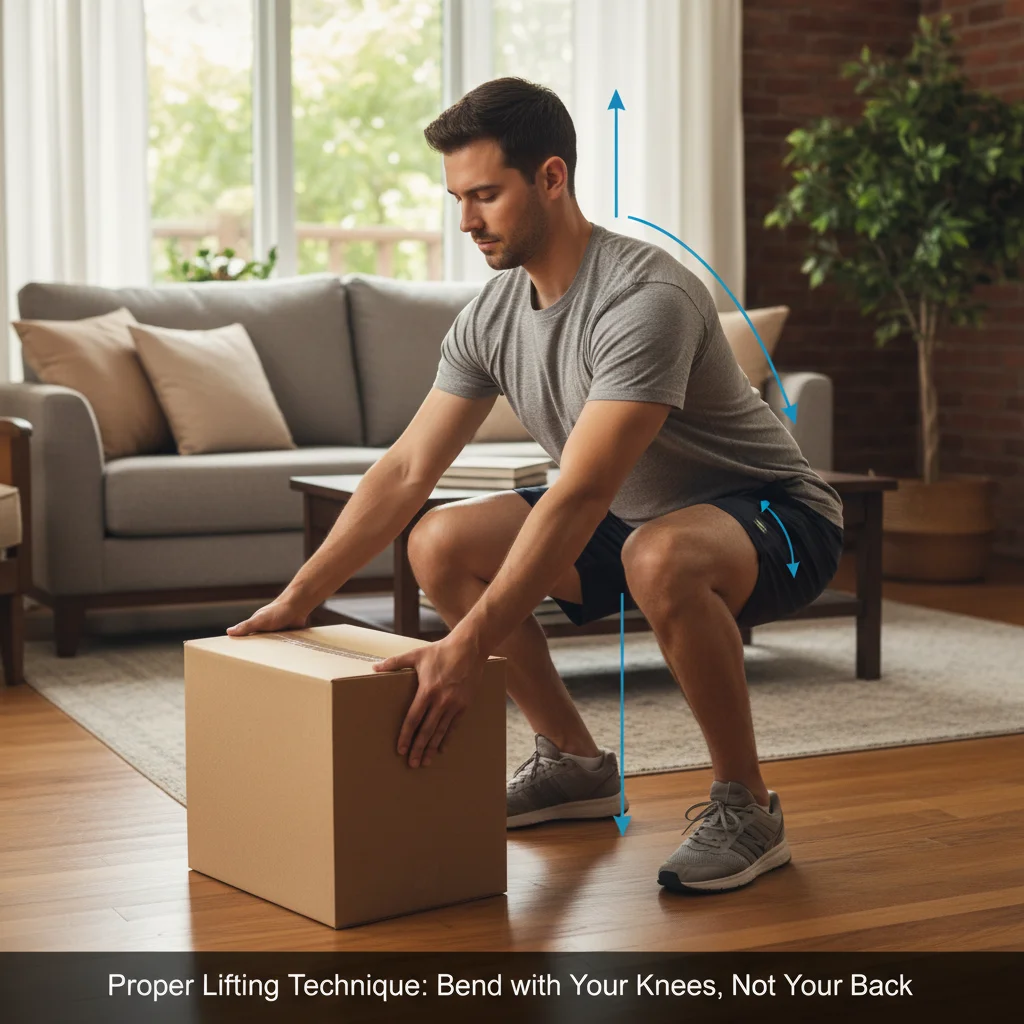
For lasting improvement, focus on strengthening and flexibility. Gentle stretching, such as knee-to-chest stretches or pelvic tilts, can alleviate tension. Moreover, core-strengthening exercises are vital because a strong core supports your lower back, reducing strain. Low-impact activities like walking, swimming, or yoga are excellent choices. Additionally, ergonomic adjustments to your workspace and practicing proper lifting techniques are fundamental preventive measures.
The Role of Nutrition and Supplements
Supporting your body’s inflammatory response and musculoskeletal health through diet can be beneficial. Consuming anti-inflammatory foods like fatty fish, berries, and leafy greens is recommended. Furthermore, some individuals find supplements helpful; for example, a high-quality joint support formula may aid in maintaining connective tissue health. You can explore options like Joint Genesis for more information on this approach. For overall wellness, ensuring proper nutrient intake is key, which you can learn more about in our guide on the nutritional value of graham crackers as an example of understanding food components.
Diagnosis and Professional Treatment
If home care isn’t enough, a doctor can help pinpoint the cause. The diagnostic process typically involves a physical exam, a review of your medical history, and possibly imaging tests like an X-ray or MRI. Treatment will depend entirely on the diagnosis:
* Physical Therapy: A therapist can design a targeted exercise program to improve strength, flexibility, and posture.
* Medications: This may include prescription muscle relaxants, stronger anti-inflammatories, or nerve pain medications.
* Injections: Corticosteroid injections can reduce inflammation around a nerve root.
* Surgery: This is generally a last resort for conditions like a severe herniated disc or spinal stenosis that doesn’t respond to other treatments.
Conclusion: Taking Control of Your Back Health
In summary, pain in the lower right back has a wide range of potential causes, from simple strain to conditions requiring urgent care. Therefore, listening to your body and understanding the accompanying symptoms is critical. While effective home management is possible for common musculoskeletal issues, persistent or severe pain warrants a professional evaluation. By combining mindful self-care with appropriate medical guidance, you can find relief and build a stronger, more resilient back for the future.
Disclaimer: This article is for informational purposes only and is not a substitute for professional medical advice, diagnosis, or treatment. Always seek the advice of your physician or other qualified health provider with any questions you may have regarding a medical condition. For authoritative information on related health topics, you can refer to resources like the National Institute of Arthritis and Musculoskeletal and Skin Diseases (NIAMS).

