
Swedish vs Deep Tissue Massage
Swedish Massage vs Deep Tissue: Choosing the Right Therapy for You
Navigating the world of therapeutic massage can be confusing, especially when faced with popular options like Swedish and deep tissue. While both aim to improve your well-being, their techniques, pressures, and intended outcomes are fundamentally different. Consequently, choosing the wrong one could leave you feeling underwhelmed or even sore. This guide will break down the key distinctions to help you select the perfect massage for your needs.
Core Philosophy & Primary Goals
Understanding the foundational intent behind each massage style is the first step to making an informed choice.
Swedish Massage: The Art of Relaxation
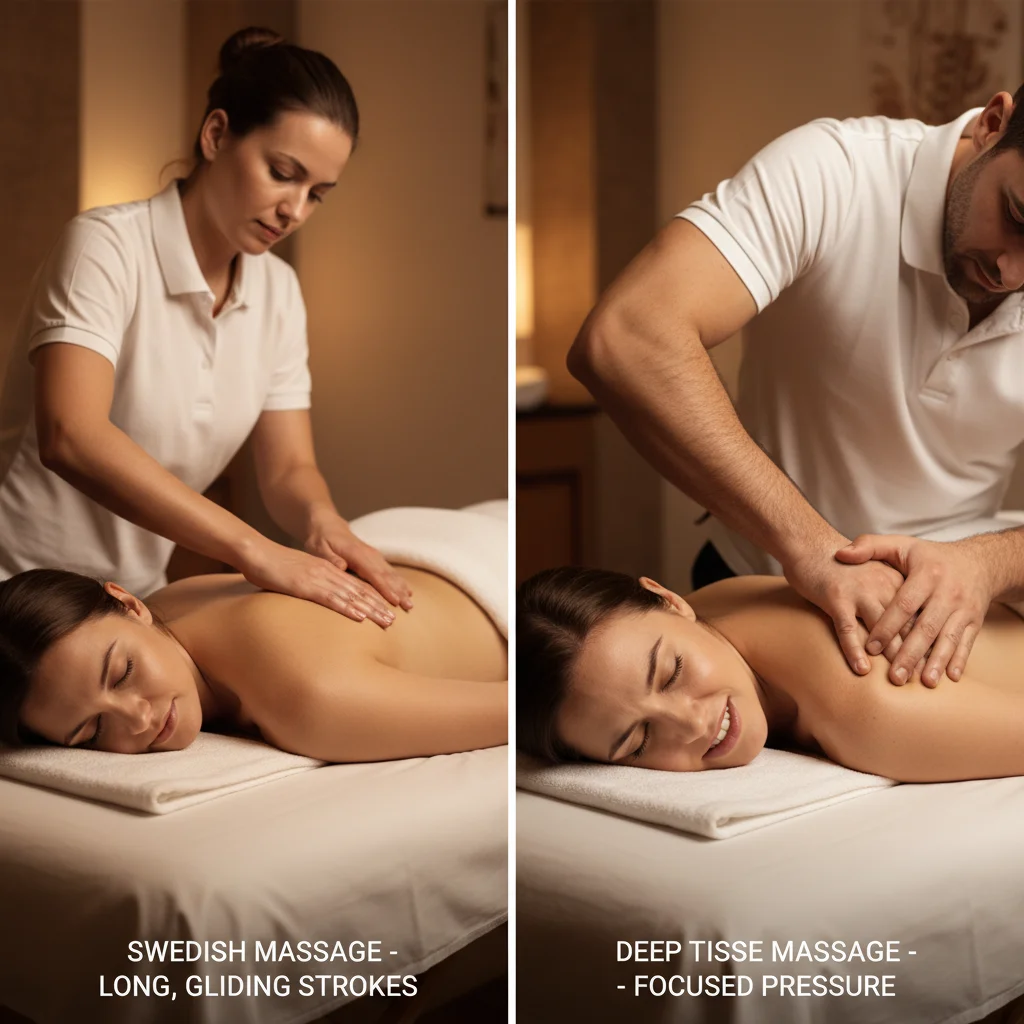
Swedish massage is the most widely recognized form of massage therapy in the West. Its primary goal is relaxation and overall wellness. Developed in the 19th century by Per Henrik Ling, it focuses on promoting circulation, easing muscle tension, and inducing a state of calm. Think of it as a holistic reset for your nervous system. Therefore, it’s an excellent choice for stress relief, general maintenance, and improving blood circulation.
Deep Tissue Massage: Targeting the Depths
Deep tissue massage, in contrast, is a therapeutic technique aimed at addressing chronic pain and specific musculoskeletal issues. It targets the deeper layers of muscle and connective tissue, known as fascia. The therapist uses slower, more focused strokes and greater pressure to break down adhesions (knots) and relieve patterns of tension that contribute to pain and restricted movement. Because of its intensity, it is often sought for injury recovery, postural problems, and conditions like chronic lower back pain.
Technique & Pressure: A Side-by-Side Comparison
The experience of each massage is defined by the specific strokes and the amount of pressure applied.
| Feature | Swedish Massage | Deep Tissue Massage |
|---|---|---|
| Primary Pressure | Light to moderate | Firm to very deep |
| Stroke Speed | Generally faster, flowing | Slower, more deliberate |
| Key Techniques | Effleurage (gliding), Petrissage (kneading), Tapotement (tapping), Friction | Deep, focused friction, Stripping, Trigger point therapy |
| Focus Area | Full body for general wellness | Specific problem areas (e.g., neck, lower back, shoulders) |
| Therapist’s Tool | Primarily palms and fingers | Knuckles, forearms, elbows, thumbs |
| Common Sensation | Soothing, relaxing, invigorating | Intense, “good hurt,” therapeutic release |
Key Benefits: What Each Massage Offers
Your health goals should directly inform your choice. Here’s what you can expect from each modality.
Benefits of Swedish Massage
- Promotes Relaxation & Reduces Stress: Lowers cortisol levels and promotes the release of endorphins.
- Improves Circulation: The gliding strokes enhance blood flow, which can aid recovery and skin health.
- Eases Mild Muscle Tension: Perfect for the general stiffness that comes from daily life or light exercise.
- Boosts Mental Clarity: By reducing anxiety, it can improve sleep and focus. For a different approach to relaxation, you might explore the benefits of chamomile tea.
- Increases Flexibility: Gentle stretching of the soft tissues can improve range of motion.
Benefits of Deep Tissue Massage
- Breaks Down Scar Tissue & Adhesions: Addresses the root cause of chronic pain and restricted movement.
- Manages Chronic Pain: Effective for conditions like sciatica, frozen shoulder, and plantar fasciitis.
- Improves Posture: Releases patterns of tension in deep postural muscles.
- Aids in Injury Recovery: Helps rehabilitate overused or strained muscles from sports or accidents.
- Lowers Blood Pressure: Studies have shown a correlation between regular deep tissue work and reduced blood pressure.
Which One Is Right For You? A Simple Guide
Ask yourself these questions to determine the best fit:
Choose Swedish Massage if you:
* Are new to massage therapy.
* Seek general relaxation and stress relief.
* Want to improve overall circulation and energy levels.
* Have mild, general muscle soreness.
* Are looking for a pampering, spa-like experience.
Choose Deep Tissue Massage if you:
* Have a specific area of chronic pain or tension.
* Are dealing with an old injury or scar tissue.
* Experience frequent headaches or neck/shoulder pain from desk work.
* Are an athlete with deep muscle aches or need targeted recovery.
* Have discussed massage therapy with a healthcare provider for a specific issue.
Important Note: Always communicate with your therapist. A good Swedish massage can incorporate deeper work where needed, and a skilled deep tissue therapist will work within your pain tolerance. Moreover, it’s normal to feel some soreness for 24-48 hours after a deep tissue session, similar to a good workout.
What to Expect During and After Your Session
Communication is paramount for a successful massage. Firstly, your therapist should conduct a brief consultation. Be sure to mention any injuries, areas of focus, and your desired pressure. During a Swedish massage, you will likely leave feeling relaxed, loose, and rejuvenated.
After a deep tissue massage, while you may feel immediate relief, the therapeutic soreness mentioned earlier is common. Hydrating well with water afterward is crucial for both types to help flush out released toxins. For those monitoring specific health metrics, understanding your blood sugar levels can be part of a holistic wellness approach.
Final Thoughts
Ultimately, the choice between Swedish and deep tissue massage hinges on your personal objectives. Swedish massage is your go-to for systemic relaxation and maintenance, whereas deep tissue massage is a powerful tool for targeted, therapeutic intervention.
By understanding these differences, you can book your next session with confidence, knowing you’ve selected the right path to better health and comfort.

