
Full Topic -Tantric Yoga: Sacred Union & Wellbeing
Tantric Yoga: A Guide to Sacred Union, Energy & Wellbeing
When most people hear “tantric yoga,” they often think of prolonged intimacy or esoteric rituals. However, this perception barely scratches the surface of a profound and ancient spiritual science. Tantric Yoga is a holistic path of transformation that seeks to weave together the physical, energetic, and spiritual aspects of our being.
Unlike some yoga forms that focus on withdrawal from the world, Tantra embraces all of life as sacred. Consequently, it offers a unique toolkit for deepening awareness, expanding consciousness, and cultivating vibrant health.
What is Tantric Yoga? Beyond the Myths
Tantric Yoga originates from ancient Indian traditions, with texts dating back over a millennium. Its core philosophy is radical inclusivity. Fundamentally, it teaches that the divine energy (Shakti) and consciousness (Shiva) are not separate from our everyday experience but are interwoven within it.
Therefore, the goal is not to escape the world but to recognize the sacred in every moment, sensation, and breath.
This path utilizes a wide array of practices—including asanas (postures), pranayama (breath control), meditation, ritual, and mantra—to awaken and channel the latent spiritual energy known as Kundalini. Importantly, it views the human body not as an obstacle to enlightenment but as the very vehicle for achieving it.
Key Principles of Tantra
- Unity of All Existence: Everything is an expression of the same divine consciousness.
- Awakening Shakti: The focused cultivation of vital, creative life force energy.
- Transformation of Impurities: Using all experiences, even challenging ones, as fuel for growth.
- Sacred Embodiment: Honoring the physical body as a temple.
Core Practices & Techniques
Tantric Yoga employs specific techniques designed to purify the energetic body and still the mind. Firstly, breathwork (pranayama) is paramount for moving prana (life force). Secondly, precise physical postures prepare the body to hold higher energies.
Common Tantric Yoga Practices Include:
* Kundalini Awakening Practices: Gentle, focused exercises to stimulate energy at the base of the spine.
* Mantra and Yantra: Using sacred sounds and geometric diagrams for concentration.
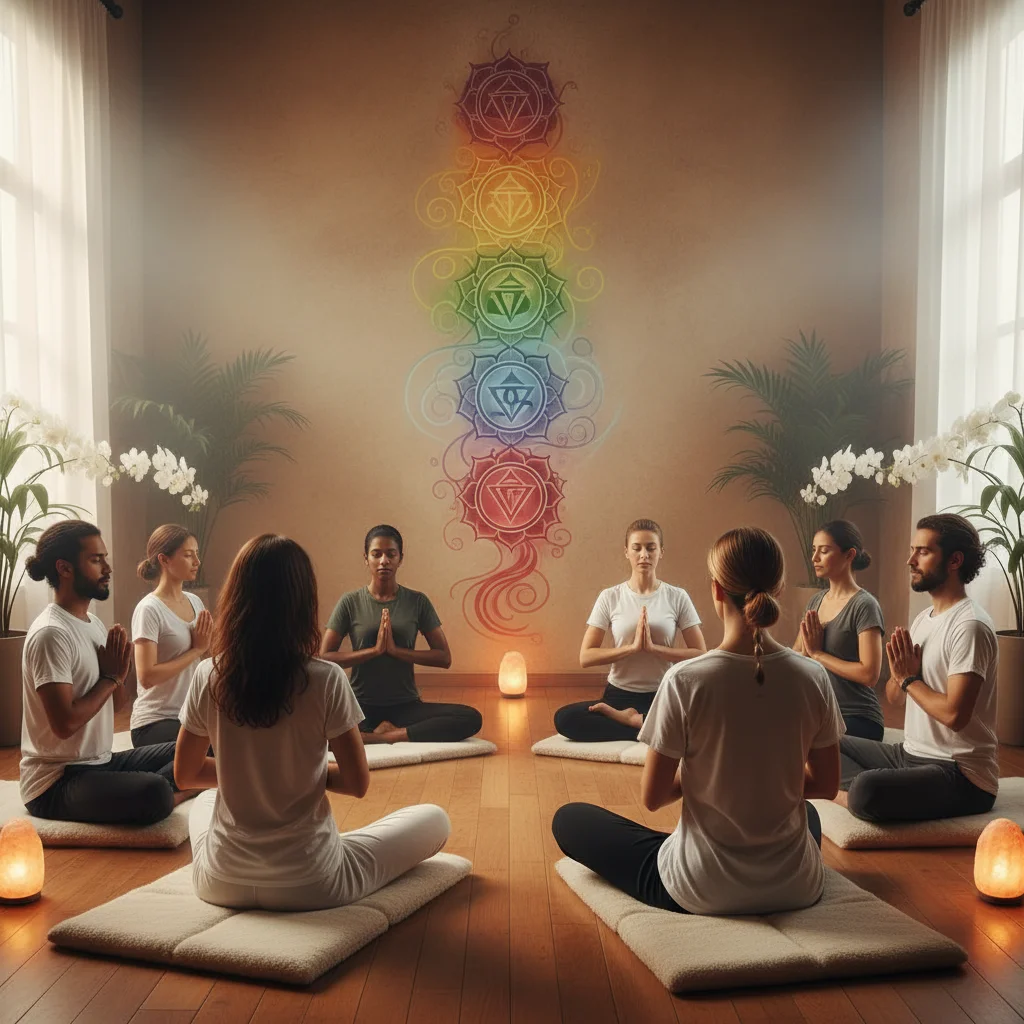
* Meditation on the Chakras: Visualizing and balancing the body’s seven primary energy centers.
* Ritual (Puja): Symbolic ceremonies to cultivate devotion and focus intention.
Tantric Yoga vs. Mainstream Hatha Yoga
It’s helpful to understand how Tantra differs from the more commonly practiced Hatha Yoga. While both share postures and breathwork, their intent often diverges.
| Aspect | Tantric Yoga | Mainstream Hatha Yoga |
|---|---|---|
| Primary Goal | Spiritual awakening & union with the divine through embodiment. | Physical health, flexibility, and mental calm. |
| View of the Body | A sacred map of energy (nadis, chakras) and a vessel for the divine. | A vehicle to be made strong, healthy, and balanced. |
| Approach to Energy | Explicitly works to awaken and circulate Kundalini energy. | Works with prana generally for vitality and focus. |
| Use of Ritual | Often incorporates ritual, symbolism, and mantra. | Typically focuses on the physical and meditative aspects. |
| Path of Practice | Embraces and transforms worldly experience. | Often emphasizes discipline and renunciation. |
Therefore, while a Hatha class might aim for a strong handstand, a Tantric practice might use a simple seated pose to explore the flow of energy in great depth.
The Multifaceted Benefits for Mind and Body
The integrative approach of Tantric Yoga offers a wide spectrum of benefits. Because it addresses the whole person—body, energy, mind, and spirit—the impacts are deeply holistic.
Physical & Energetic Benefits:
* Enhanced Body Awareness: Cultivates a deep, respectful connection to physical sensations.
* Improved Vitality: Breath and energy work can boost overall life force and reduce fatigue.
* Balanced Nervous System: Practices promote a state of relaxed alertness, moving beyond the “fight-or-flight” response.
* Support for Overall Health: The stress-reducing and mindful aspects can positively influence various bodily systems. For instance, managing stress is crucial for holistic wellness, much like maintaining balanced blood sugar levels is for metabolic health.
Mental, Emotional & Spiritual Benefits:
* Reduced Stress and Anxiety: Meditation and mindful movement calm the mind.
* Greater Emotional Regulation: Provides tools to observe and transform emotional energy.
* Deeper Sense of Connection: Alleviates feelings of separation, fostering unity with others and the world.
* Expanded Consciousness: Aims to move beyond limited ego-identity to a more expansive state of being. This pursuit of mental clarity and spiritual peace can be as foundational as nurturing cognitive health through proper nutrition and supplements, a topic explored in our guide to the best brain health supplements.
Beginning Your Tantric Yoga Journey
If you feel called to explore this path, starting with respect and proper guidance is essential.
- Find a Knowledgeable Teacher: Authentic Tantra is best learned from an experienced, ethical instructor. Look for teachers with reputable lineages or extensive training.
- Start with the Foundations: Begin with breath awareness (pranayama) and simple meditations. Hatha yoga can be an excellent physical preparation.
- Cultivate Mindfulness: Bring sacred awareness to daily activities—eating, walking, listening. Tantra is about the quality of attention.
- Release Expectations: Let go of preconceived notions about dramatic experiences. The journey is often subtle and deeply personal.
- Create a Sacred Space: Dedicate a quiet corner of your home for regular practice, even if it’s just for a few minutes of seated breathing.
A Note on “Tantric Sex”: While some traditions include sacred sexuality as an advanced practice, it represents only one potential facet of a vast system. Modern workshops focusing solely on this aspect often simplify and commercialize the deeper, holistic philosophy.
Conclusion: A Path of Wholeness
Tantric Yoga is ultimately a journey of coming home—to your body, your breath, and the vibrant, sacred energy that animates all of life. It is a practice of saying “yes” to the full spectrum of human experience and finding the divine woven within it.
By integrating its principles of unity, mindful presence, and energy cultivation, you can unlock a profound sense of connection and wellbeing that nourishes every layer of your existence.

