
White Tongue Bump: Causes & Treatments
White Bump on Tongue: Decoding the Causes and Finding Relief
Discovering a white bump on your tongue can be an unsettling experience. Is it a sign of something serious, or just a minor irritation? This common oral issue can stem from a variety of causes, ranging from harmless to those requiring medical attention.
Understanding the potential reasons behind this symptom is the first step toward effective management and peace of mind. This guide will explore the most frequent culprits, provide visual cues, and outline clear treatment paths.
Common Causes of a White Bump on the Tongue
The appearance of a white bump can vary significantly; therefore, identifying the underlying cause is crucial for proper care. Here are the most likely explanations.
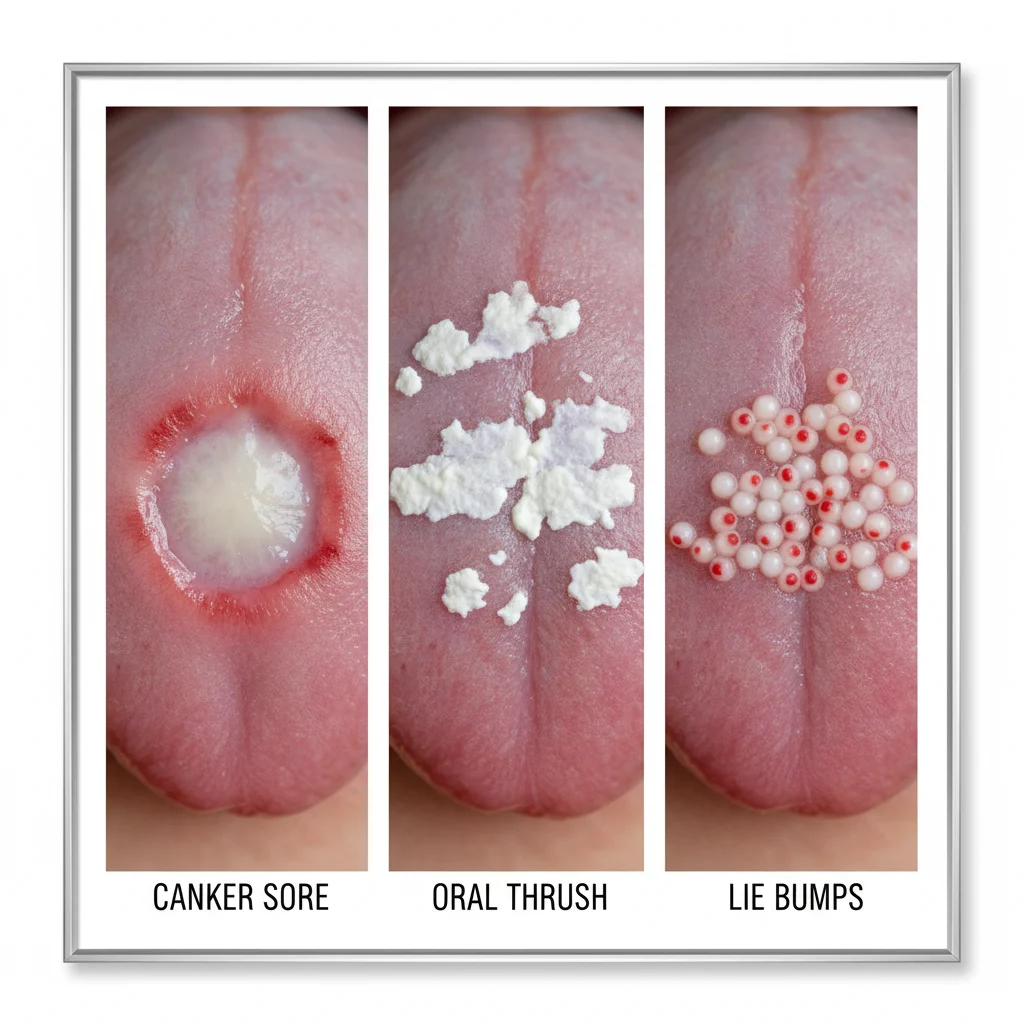
1. Canker Sores (Aphthous Ulcers)
Canker sores are small, painful ulcers that often appear with a white or yellowish center and a red border. They are not contagious and typically develop on the soft tissues inside the mouth, including the tongue. Stress, minor mouth injuries, acidic foods, or nutritional deficiencies can trigger them. They usually heal on their own within one to two weeks.
2. Oral Thrush (Candidiasis)
Oral thrush is a yeast infection caused by an overgrowth of Candida fungus. It presents as creamy white lesions that can be scraped off, sometimes leaving a red, raw area. It’s more common in infants, the elderly, those with weakened immune systems, or people using certain medications like antibiotics or inhaled corticosteroids. For related nutritional insights, you might explore our guide on the nutritional value of graham crackers, which discusses sugars that can influence yeast growth.
3. Lie Bumps (Transient Lingual Papillitis)
This condition involves the temporary inflammation of the tongue’s taste buds (fungiform papillae). These tiny, often painful red or white bumps appear suddenly. The exact cause is unknown, but potential triggers include stress, hormonal changes, or eating spicy or acidic foods. Fortunately, they usually resolve within a few days without treatment.
4. Oral Lichen Planus
This is a chronic inflammatory condition that can affect the mucous membranes inside the mouth. It may appear as lacy, white, raised patches or lines (reticular form) or as painful, atrophic ulcers. Its cause is thought to be an immune system malfunction and often requires medical diagnosis and management.
5. Trauma or Irritation
Accidentally biting your tongue, burning it with hot food, or irritation from a sharp tooth or dental appliance can lead to a white, bumpy lesion as the tissue heals. These bumps are typically temporary and subside once the source of irritation is removed.
Visual Guide: Identifying Your White Bump
The table below provides a quick-reference guide to differentiate between common causes based on appearance and sensation.
| Cause | Typical Appearance | Sensation | Common Locations |
|---|---|---|---|
| Canker Sore | Round/oval with white/yellow center, red border. | Painful, especially when eating or talking. | Tip, sides, or underside of tongue. |
| Oral Thrush | Creamy white, cottage cheese-like patches. | Can be wiped off; may cause redness or soreness. | Anywhere on tongue, cheeks, roof of mouth. |
| Lie Bumps | Small, red or white inflamed dots. | Tender, painful, or burning sensation. | Tip and sides of tongue. |
| Oral Lichen Planus | White, lacy, web-like patterns or lines. | Often asymptomatic; can be painful if erosive. | Sides of tongue, inside cheeks. |
| Trauma | White or red raised area or ulcer. | Tender or sore to the touch. | Site of injury (tip, side). |
When to Consult a Doctor or Dentist
While many white bumps are benign, certain signs warrant professional evaluation. You should schedule an appointment if:
* The bump persists for more than two weeks without improvement.
* It grows rapidly in size.
* You experience severe pain or difficulty eating or swallowing.
* The bump is very hard or feels fixed in place.
* You have a fever alongside the oral lesion.
* You have a history of tobacco use, as this increases risk factors for serious conditions.
A healthcare provider can provide a definitive diagnosis, which is particularly important to rule out other conditions, such as leukoplakia (a pre-cancerous lesion) or, in rare cases, oral cancer. For general wellness, maintaining a balanced diet is key; learn about supportive options like the best powder supplements for gut health.
Effective Home Remedies and Treatments
For minor, non-serious causes, several at-home strategies can promote healing and provide relief.
Firstly, maintain excellent oral hygiene. Brush your teeth twice daily with a soft-bristled brush and use a mild, alcohol-free mouthwash. Additionally, rinsing your mouth with warm salt water several times a day can reduce inflammation and prevent infection.
Moreover, dietary adjustments are helpful. Avoid spicy, acidic, salty, or crunchy foods that can aggravate the bump. Instead, opt for cool, soft foods like yogurt or applesauce. Staying hydrated is also crucial for oral health.
For pain management, over-the-counter topical gels or ointments designed for mouth sores can create a protective barrier and numb the area. However, if you suspect oral thrush, do not use these without a doctor’s advice, as you may require an antifungal medication.
Finally, identifying and avoiding personal triggers, such as specific foods or stress, can prevent future occurrences. Managing stress through relaxation techniques can be beneficial, as stress is a common contributor to issues like canker sores.
Conclusion: Navigating Oral Health with Confidence
A white bump on your tongue is usually a temporary nuisance rather than a major health concern. Consequently, by paying attention to its characteristics—such as pain level, duration, and appearance—you can often identify the likely cause.
Therefore, practicing good oral care and using simple home remedies will resolve most cases. Nevertheless, persistent or worrying symptoms should always prompt a visit to a healthcare professional for a proper evaluation and peace of mind. By staying informed, you can take proactive control of your oral health.
For further reading on related oral health topics, you may find our article on sore throat remedies helpful.

