
QL Stretch Guide for Back & Hip Pain
The Ultimate Guide to the QL Stretch: Relieve Lower Back Tightness
If you spend long hours sitting or frequently experience a deep, aching pain in your lower back and hips, your quadratus lumborum (QL) muscle is likely calling for attention. This crucial yet often-overlooked muscle is a primary source of stiffness and discomfort for many. Consequently, learning an effective QL stretch can be transformative for your mobility and pain management.
What is the Quadratus Lumborum (QL) Muscle?
The quadratus lumborum is a deep abdominal muscle that connects your pelvis to your spine and lowest rib. It acts as a major stabilizer for your core and lower back, assisting with side-bending and keeping your pelvis level when you walk. Because of its central role in posture and movement, when the QL becomes tight or overworked, it can lead to significant pain that mimics other issues.
Why You Need to Stretch Your QL Muscle
A tight QL muscle is a common culprit behind chronic lower back pain. Firstly, modern lifestyles involving prolonged sitting cause this muscle to shorten and tighten. Additionally, improper lifting techniques or repetitive motions can strain it. When tight, the QL can pull your spine and pelvis out of alignment, leading to discomfort that radiates into your hips and even down your legs. Therefore, incorporating a targeted QL stretch into your routine is essential for prevention and relief.
How to Perform the QL Stretch Correctly: A Step-by-Step Guide
Proper form is critical to effectively target the QL and avoid injury. Follow these steps for a basic, highly effective standing QL stretch.
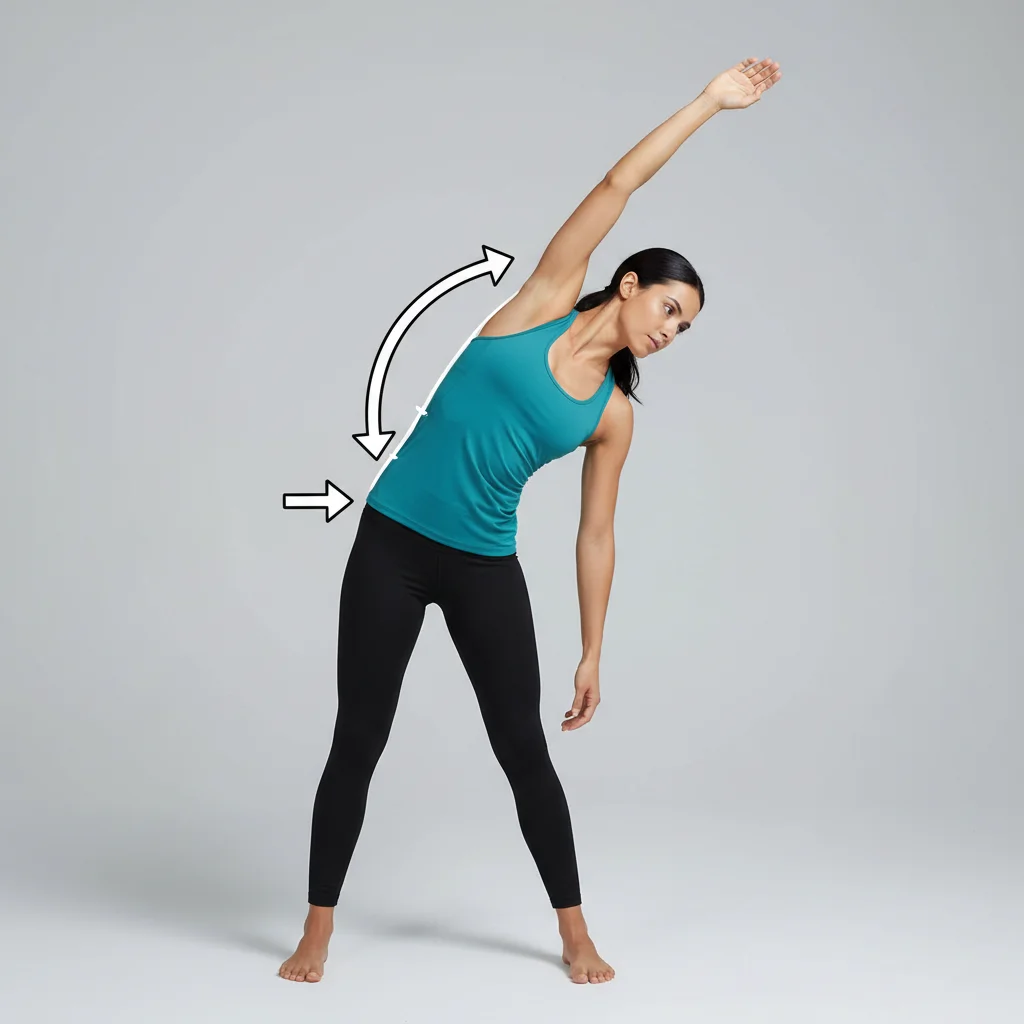
1. The Standing Side Bend Stretch
* Starting Position: Stand with your feet hip-width apart, knees slightly soft. Ensure your spine is in a neutral, tall position.
* The Movement: Slowly reach your right arm overhead, leaning your torso directly to the left. Avoid bending forward or backward. You should feel a deep stretch along the right side of your waist and lower back.
* Hold and Breathe: Hold the stretch for 20-30 seconds, taking deep breaths into the stretched side. Do not bounce.
* Return and Repeat: Gently return to the starting position and repeat on the opposite side. Perform 2-3 sets per side.
Common QL Stretch Mistakes to Avoid
- Rounding the Shoulders: Keep your chest open and shoulders down, away from your ears.
- Leaning Forward or Backward: Move strictly in the frontal plane, side-to-side.
- Holding Your Breath: Continuous deep breathing helps the muscle relax into the stretch.
- Overstretching: The stretch should be a gentle pull, not a sharp pain.
Benefits of a Regular QL Stretching Routine
Incorporating this stretch offers profound benefits beyond simple pain relief. Primarily, it enhances lateral flexibility and range of motion. Moreover, it improves postural alignment by releasing tension that pulls the spine sideways. A relaxed QL also allows for better engagement of other core muscles, which is foundational for overall strength and stability. Furthermore, consistent stretching can improve circulation to the area, aiding in recovery and nutrient delivery.
Complementary Practices for QL and Back Health
While stretching is vital, a holistic approach yields the best results. Strengthening your core and glutes takes pressure off the QL. Additionally, consider the role of nutrition in muscle recovery; for instance, ensuring adequate electrolyte balance is crucial. You can explore the differences between Epsom salt vs normal salt to understand how magnesium can aid muscle relaxation. For overall musculoskeletal support, some find value in targeted supplements, such as those reviewed in our analysis of Joint Genesis.
When to Seek Professional Help
If your lower back pain is severe, accompanied by numbness or tingling in the legs, or does not improve with stretching and rest, consult a healthcare professional. These could be signs of a more serious condition requiring medical evaluation.
Your Quick-Reference QL Stretch Guide
| Aspect | Key Detail | Why It Matters |
|---|---|---|
| Target Muscle | Quadratus Lumborum (QL) | A deep core stabilizer often linked to lower back pain. |
| Best Time to Stretch | After a light warm-up or post-workout | Warm muscles stretch more safely and effectively. |
| Ideal Hold Time | 20-30 seconds per side | Allows the muscle’s stretch receptors to activate fully. |
| Recommended Frequency | Daily, or at least 3-4 times per week | Consistency is key to overcoming chronic tightness. |
| Primary Benefit | Alleviates deep lower back & hip pain | Improves mobility and quality of life. |
| Common Trigger | Prolonged sitting, poor lifting form | Identifying causes helps prevent recurrence. |
Conclusion: Make the QL Stretch a Habit
Ultimately, the quadratus lumborum is a small muscle with a massive impact on your comfort and movement. Because it works tirelessly as a stabilizer, it deserves focused care. By practicing the QL stretch regularly with proper form, you can release deep-seated tension, correct imbalances, and move through your day with greater ease.
Therefore, start incorporating this simple yet powerful stretch into your daily routine—your back will thank you.

