
5 Causes Pain Under jaw bone left side: Full Guide
Pain under ear behind jaw bone left side: Causes & Relief
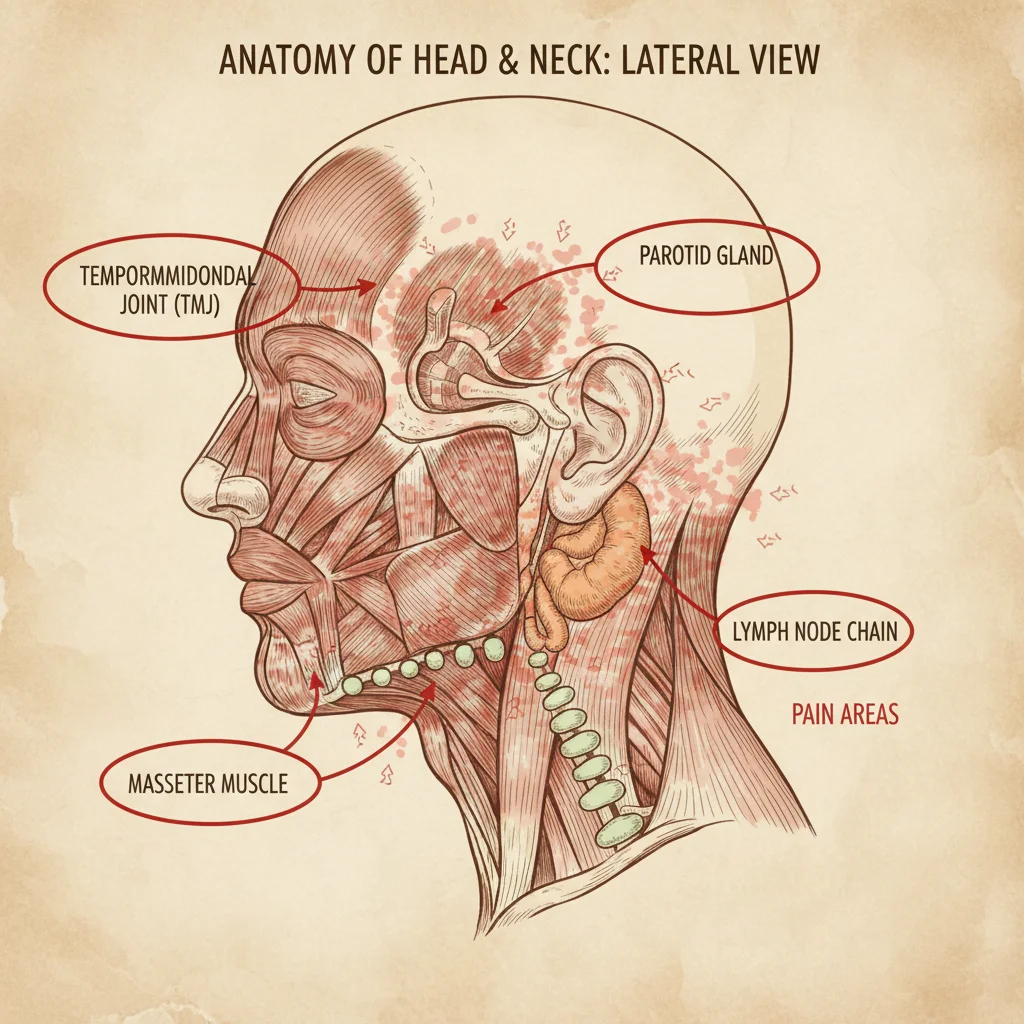
Experiencing a sharp ache, dull throb, or persistent tenderness under your ear and behind the jaw bone on the left side can be both uncomfortable and concerning. This specific area is a complex hub of anatomy, housing joints, glands, muscles, and nerves. Consequently, pinpointing the exact cause is the first critical step toward finding relief.
This guide will explore the potential reasons for this localized pain and provide actionable strategies for management.
Common Causes of Pain under ear behind jaw bone left sided Jaw and Ear Pain
Understanding the underlying structures is key. The pain you feel could originate from several different sources, each with distinct characteristics.
1. Temporomandibular Joint (TMJ) Disorders
The temporomandibular joints connect your jawbone to your skull. Dysfunction here is a leading cause of pain in this region. Symptoms often include:
* Aching pain directly in front of the ear, which can radiate to the jaw, neck, or even the temples.
* Clicking, popping, or grating sounds when opening or closing the mouth.
* Jaw stiffness or locking, making it difficult to open wide.
* Pain that worsens with chewing, talking, or yawning.
Stress, teeth grinding (bruxism), arthritis, or jaw injury are common culprits. For related muscular tension, some find gentle remedies like chamomile tea helpful for relaxation.
2. Dental Issues
Problems with your teeth and gums can refer pain to the jaw and ear area. An abscessed tooth, severe cavity, impacted wisdom tooth (especially on the lower left), or gum infection (periodontitis) can cause significant, often throbbing, pain that feels deep in the jawbone.
3. Parotid Gland Issues
The parotid gland is your largest salivary gland, located just in front of and below each ear. Inflammation or infection here, such as in parotitis or salivary stones (sialolithiasis), can cause pronounced swelling and tenderness under the ear and along the jawline. Pain typically worsens when eating, as the gland is stimulated to produce saliva.
4. Swollen Lymph Nodes
Your body has lymph nodes clustered around the neck and under the jaw. These nodes can become tender and swollen in response to nearby infections, such as a cold, flu, ear infection, or strep throat (learn more about symptoms of strep throat). A swollen lymph node under the left jaw may feel like a painful, movable lump.
5. Ear Infections (Otitis)
An infection of the middle ear (otitis media) or outer ear (otitis externa, or “swimmer’s ear”) can cause deep ear pain that often radiates to the area behind the jaw bone. This is especially common in children but can affect adults.
6. Other Potential Causes
- Sinusitis: Inflammation of the sinuses, particularly the maxillary sinuses located in the cheekbones, can cause pressure and pain that radiates to the upper jaw and beneath the ears.
- Trigeminal Neuralgia: This condition involves the trigeminal nerve and causes sudden, severe, electric-shock-like facial pain, which can be triggered by even mild stimulation like chewing.
- Arthritis: Osteoarthritis or rheumatoid arthritis can affect the TMJ, leading to chronic pain and stiffness.
- Bruxism: Chronic teeth grinding or clenching, often during sleep, puts immense strain on the jaw muscles and TMJ.
When to Seek Medical Attention
While many causes are benign and temporary, certain symptoms warrant prompt medical evaluation. Seek professional care if you experience:
* Severe, sudden, or worsening pain.
* High fever accompanying the jaw pain.
* Difficulty opening your mouth or swallowing.
* A visible, hard lump that does not move or grows rapidly.
* Persistent pain lasting more than a week without improvement.
* Signs of infection, such as redness, warmth, or pus.
A visit to your primary care doctor, dentist, or an otolaryngologist (ENT specialist) can provide a proper diagnosis through physical examination and, if needed, imaging like an X-ray or MRI.
At-Home Relief and Management Strategies
For mild to moderate pain, several home-care strategies can provide significant relief while you address the root cause.
Immediate Soothing Techniques:
* Apply Cold and Heat: Use an ice pack wrapped in a towel for 15 minutes to reduce inflammation and numb sharp pain. After the first 48 hours, switch to a warm compress to relax tense muscles and improve blood flow.
* Soft Diet: Stick to soft foods like soups, yogurt, and mashed potatoes to minimize jaw movement and strain.
* Over-the-Counter Pain Relievers: Nonsteroidal anti-inflammatory drugs (NSAIDs) like ibuprofen can reduce both pain and inflammation.
* Jaw Rest: Avoid chewing gum, tough foods, and wide yawning. Be mindful of habits like nail-biting or leaning on your chin.
Long-Term Management and Prevention:
* Stress Reduction: Since stress is a major contributor to jaw clenching and TMJ issues, practices like meditation, deep breathing, and gentle yoga can be beneficial.
* Posture Awareness: Poor neck and shoulder posture can contribute to jaw pain. Ensure your workspace is ergonomic.
* Stay Hydrated: Drinking plenty of water supports overall muscle function and salivary gland health.
* Gentle Stretching: Perform slow, gentle jaw stretches, such as slowly opening and closing your mouth without forcing it.
Key Takeaways
Pain under the ear behind the left jaw bone is a common symptom with a wide range of possible causes, from TMJ disorders and dental problems to infections and swollen glands. Therefore, paying close attention to accompanying symptoms is crucial for identifying the source.
While home remedies can offer temporary relief, persistent or severe pain requires a professional diagnosis. By understanding the potential reasons and implementing mindful practices, you can take proactive steps toward resolving the discomfort and maintaining optimal jaw and ear health.
For general wellness support that can complement your health journey, exploring information on foundational supplements like those for prostate health or best brain health supplements may be of interest.

