
Forehead Reduction Surgery Guide Step-by-Step
Forehead Reduction Surgery: A Comprehensive Guide to Hairline Lowering
Forehead reduction surgery, medically termed hairline lowering surgery or anterior hairline advancement, is a cosmetic procedure designed to reduce the height of a disproportionately large forehead. Consequently, this surgery can dramatically enhance facial balance and boost self-confidence for individuals who feel their forehead is too prominent. If you are considering this procedure, understanding the process, candidacy, and recovery is crucial for making an informed decision.
What is Forehead Reduction Surgery?
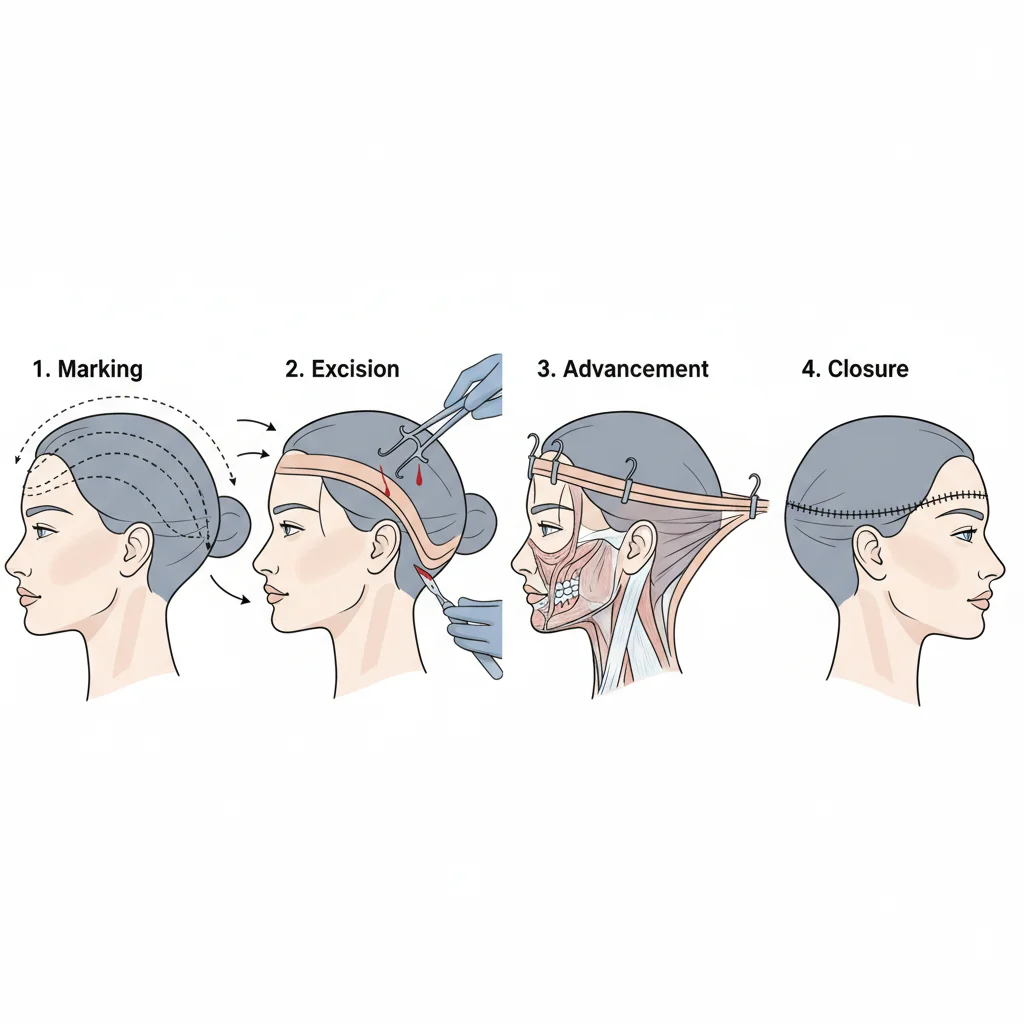
Forehead reduction surgery is a precise surgical technique where a surgeon removes a strip of skin from the hairline area. Subsequently, the scalp is advanced forward, and the hair-bearing skin is sutured lower on the forehead. This effectively lowers the hairline and reduces the forehead’s vertical height. The goal is to create a more harmonious facial proportion, typically resulting in a reduction of 1 to 3 centimeters.
Who is an Ideal Candidate for This Procedure?
Determining if you are a suitable candidate is the first critical step. Generally, ideal candidates share several common characteristics.
- Individuals with a High Hairline: Those born with a naturally tall forehead.
- Stable Hairline: Candidates should have a stable, non-receding hairline with good hair density at the front. This is because the procedure relies on advancing existing hair-bearing skin.
- Good Overall Health: Being in good physical health minimizes surgical risks and promotes healing.
- Realistic Expectations: Understanding what the surgery can and cannot achieve is paramount for satisfaction.
It is important to note, however, that this procedure is typically not recommended for individuals with active male or female pattern baldness, as advancing a receding hairline can yield unnatural long-term results. For those concerned about prostate health and its potential links to hair loss patterns, consulting a specialist is advisable.
The Surgical Procedure: Step-by-Step
The surgery is usually performed under local anesthesia with sedation or general anesthesia. Here is a typical breakdown of the process:
- Consultation and Planning: Firstly, the surgeon marks the new, desired hairline position. They will discuss the extent of possible lowering based on scalp laxity.
- Incision: The surgeon makes an incision along the planned new hairline. The design is often irregular or zig-zagged to mimic a natural hair growth pattern and conceal the scar.
- Skin Removal and Advancement: A strip of forehead skin is carefully removed. The scalp is then loosened and pulled forward.
- Closure: Finally, the wound is closed in layers with fine sutures, anchoring the new hairline in place.
Recovery Timeline and Aftercare
Knowing what to expect after surgery helps ensure a smooth recovery.
| Post-Op Period | What to Expect | Care Instructions |
|---|---|---|
| First 24-48 Hours | Swelling, tightness, and mild discomfort. Numbness around the incision is common. | Rest with head elevated. Apply cold compresses. Take prescribed pain medication. |
| First Week | Swelling peaks, then begins to subside. Stitches may be removed. | Avoid bending over or strenuous activity. Keep the incision clean and dry. |
| 2-4 Weeks | Most visible swelling and bruising resolve. You may return to non-strenuous work. | You can typically resume light exercise. Continue to protect the scalp from sun exposure. |
| 1-6 Months | Incision line matures and fades from red to pink, eventually blending with the skin. Numbness gradually improves. | Scar management with silicone gel or sheets as advised by your surgeon. |
| Final Results | The hairline settles into its final position. The scar becomes increasingly discreet, often hidden by new hair growth. | A final follow-up with your surgeon is recommended to assess the outcome. |
Moreover, following your surgeon’s specific aftercare instructions is non-negotiable for optimal healing. During recovery, maintaining overall wellness is beneficial; for instance, some patients explore natural sore throat remedies to avoid coughing, which can increase pressure on the healing incision.
Potential Risks and Complications
As with any surgery, forehead reduction carries potential risks. Therefore, discussing these thoroughly with a board-certified plastic surgeon is essential.
- Scarring: Although surgeons hide the scar at the hairline, it may remain visible, especially if you wear your hair pulled back. Poor healing can lead to widened or raised scars.
- Altered Sensation: Temporary or, rarely, permanent numbness or itching around the forehead and scalp is possible.
- Hair Loss: Some temporary hair loss near the incision (shock loss) can occur, but it usually regrows.
- Asymmetry or Unnatural Hairline: An inexperienced surgeon may create an uneven or artificially straight hairline.
- Infection or Bleeding: These are standard surgical risks that are minimized with proper technique and care.
- Unsatisfactory Result: The forehead may not be reduced as much as desired, or the outcome may not meet aesthetic expectations.
Alternatives to Forehead Reduction
For individuals who are not ideal candidates, several alternatives exist. Hair transplant surgery (Follicular Unit Transplantation) can create a new, lower hairline by implanting individual hair follicles. Additionally, bangs or strategic hairstyling offer a non-surgical way to camouflage a high forehead. Furthermore, some cosmetic procedures like fat grafting to the upper forehead can reduce the appearance of a bony prominence, creating a softer contour.Read More important thing about Zero Carb Drinks for Keto Diet – List of 0 Carb Drinks
Conclusion: Is It Right For You?
Forehead reduction surgery can be a life-changing procedure that enhances facial aesthetics and self-esteem. However, it is a significant commitment that requires careful consideration of the benefits, costs, and inherent risks. The key to success lies in choosing a highly qualified, experienced surgeon and maintaining realistic expectations. A thorough consultation will address your specific anatomy and goals, ultimately guiding you toward the best decision for your appearance and well-being.
Disclaimer: This article is for informational purposes only and does not constitute medical advice. Always consult with a board-certified plastic surgeon or dermatologist for diagnosis and treatment options. For more information on surgical principles, you can refer to resources like the American Society of Plastic Surgeons.

