
QL Muscle Pain: Symptoms | Causes | Relief Full Guide
The QL Muscle: Your Deep Core Stabilizer and a Common Source of Back Pain
Have you ever experienced a deep, aching pain in your lower back that feels like it’s coming from the very core of your body? This discomfort, often worsened by standing, sitting, or twisting, might be originating from a crucial but overlooked muscle: the quadratus lumborum, or QL. Understanding this muscle is the first step toward finding lasting relief from a specific and stubborn type of back pain.
What is the Quadratus Lumborum (QL) Muscle?
The quadratus lumborum is a deep, irregularly shaped muscle located in your lower back on either side of your lumbar spine. Its name, Latin for “square-shaped muscle of the loins,” describes its general form.
This muscle acts as a primary stabilizer, connecting your pelvis to your spine and lowest rib. Consequently, its main functions are critical for everyday movement: it laterally flexes the spine (side-bending), helps extend the lumbar spine (arching the back), and, most importantly, stabilizes the pelvis and lumbar spine during activities like walking.
Because it is a deep core muscle, when it becomes dysfunctional, the pain can feel profound and difficult to isolate.
Common Causes of QL Muscle Pain
QL pain rarely occurs in isolation; it is typically a response to imbalance or strain. Identifying the root cause is essential for effective treatment.
- Poor Posture and Prolonged Sitting: Sitting for extended periods, especially with poor lumbar support, places constant static stress on the QL as it works to stabilize your torso. Over time, this can lead to muscle fatigue, tightness, and trigger points.
- Sudden or Repetitive Strain: Improper lifting techniques, a sudden twisting motion, or repetitive activities like gardening or swinging a golf club can acutely strain the QL muscle.
- Muscle Imbalances: Weakness in the glutes or abdominal muscles forces the QL to overcompensate. Similarly, tight hip flexors can tilt the pelvis anteriorly, putting the QL in a perpetually shortened, stressed position.
- Leg Length Discrepancy: A structural or functional difference in leg length can cause the pelvis to sit unevenly, requiring the QL on one side to work harder to maintain stability, leading to strain.
- Underlying Conditions: Issues like osteoarthritis, degenerative disc disease, or even symptoms of strep throat causing severe coughing fits can indirectly irritate the QL region.
Symptoms: How to Identify QL Pain
Distinguishing QL pain from general lower back pain can help target treatment. Common symptoms include:
* A deep, aching pain in the lower back, specifically above the hip bone.
* Pain that radiates into the hip, groin, or buttocks (though not typically down the leg like sciatica).
* Increased discomfort when standing, walking, or side-bending.
* Tenderness to the touch in a specific spot along the waistline.
* Difficulty finding a comfortable sleeping position, especially when lying on the affected side.
Effective Relief and Management Strategies
Managing QL pain involves a combination of immediate relief techniques and longer-term corrective strategies. Firstly, if pain is severe or follows an acute injury, consult a healthcare professional to rule out more serious issues.
Immediate Relief Techniques
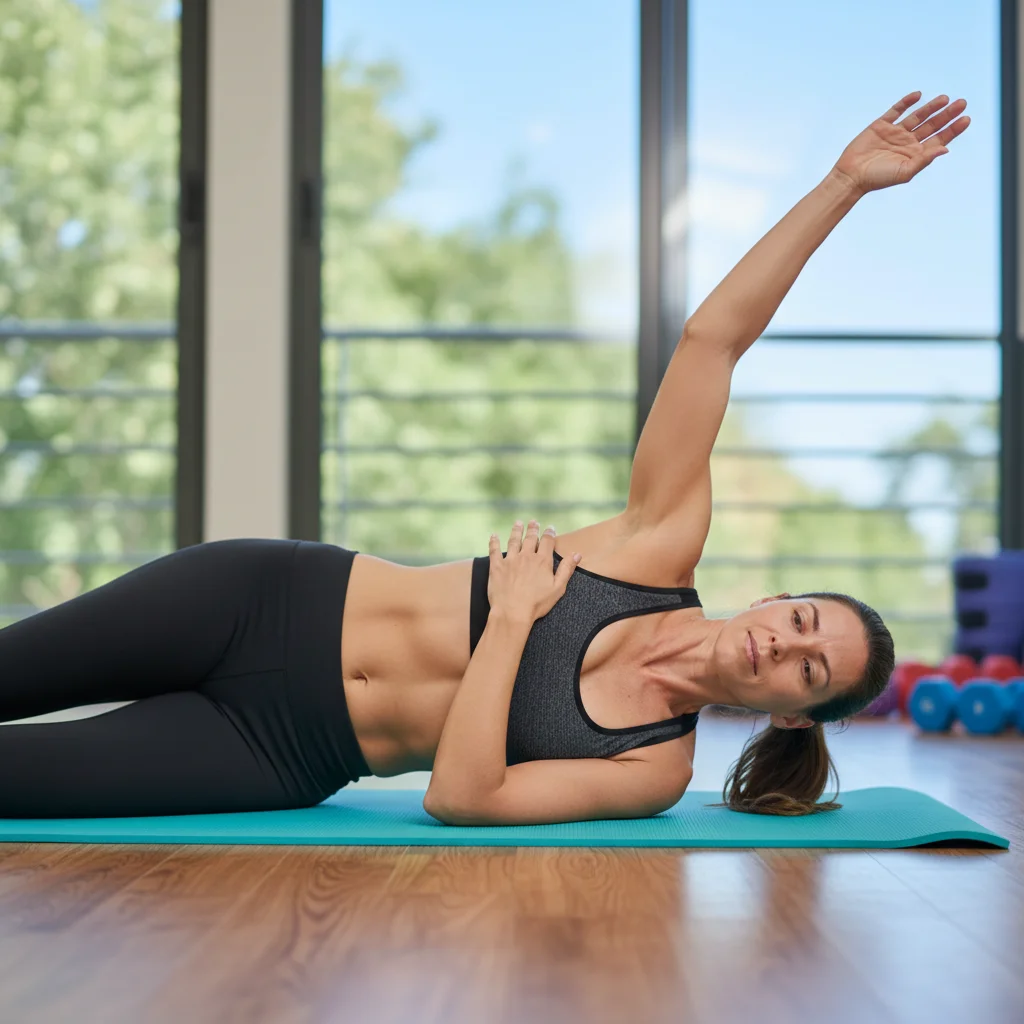
- Gentle Stretching: Carefully stretching the QL can provide significant relief. A simple side-lying stretch or the “thread the needle” yoga pose can be effective.
- Heat Therapy: Applying a heating pad to the affected area for 15-20 minutes can increase blood flow, relax the tight muscle, and reduce aching.
- Self-Myofascial Release: Using a foam roller or a lacrosse ball against a wall to apply gentle pressure to the tender area can help release muscle knots. Proceed cautiously to avoid bruising.
Long-Term Management and Prevention
For lasting relief, addressing the underlying causes is paramount.
* Strengthen Supporting Muscles: A strong core is your best defense. Focus on exercises that engage the deep abdominal muscles (like planks) and the glutes (like bridges) to take the load off the QL.
* Improve Posture and Ergonomics: Ensure your workspace supports the natural curve of your spine. Use a lumbar roll if necessary and take frequent breaks to stand and walk.
* Incorporate Regular Stretching: Make stretching for the hips, hamstrings, and lower back a part of your daily routine. This promotes overall musculoskeletal balance.
* Consider Professional Help: A physical therapist can provide a tailored exercise program. Additionally, regular massage therapy or sessions with a chiropractor can be highly beneficial for chronic tightness. For those exploring supplement-based support for overall musculoskeletal health, some research into ingredients like Joint Genesis may be of interest, though direct application to the QL muscle is not established.
When to See a Doctor
While most QL pain responds to conservative care, certain red flags warrant immediate medical attention. Seek professional help if your pain is the result of a significant trauma, is accompanied by fever or unexplained weight loss, causes bowel or bladder dysfunction, or involves severe, shooting pain, numbness, or weakness down your leg. These could indicate a more serious spinal condition.
Key Takeaways
The quadratus lumborum is a vital stabilizer for your lower back and pelvis. Because it is so integral to movement, it is commonly susceptible to strain from modern habits like prolonged sitting and from muscular imbalances. Effective management hinges on a two-pronged approach: firstly, alleviating acute pain with stretching and heat, and secondly, committing to long-term core strengthening and postural correction.
By understanding and caring for your QL muscle, you can build a more resilient and pain-free foundation for movement. For more information on musculoskeletal anatomy, you can refer to resources like the National Institute of Arthritis and Musculoskeletal and Skin Diseases (NIAMS).