
Crafted Corn: Ancient to Superfood Nutrition & Use
Crafted Corn: The Artisanal Evolution of a Global Staple
Corn, or maize, is a foundational food crop that has nourished civilizations for millennia. However, a new chapter is being written with the rise of crafted corn. This term refers to corn that is intentionally grown, selected, and processed with exceptional care, focusing on heritage varieties, sustainable practices, and specialized culinary outcomes.
Unlike conventional commodity corn, crafted corn is about quality, flavor, and nutritional integrity over sheer volume. Consequently, it represents a return to the grain’s roots with a modern, artisanal twist.
What Exactly is Crafted Corn?
Crafted corn is not a single variety but rather a philosophy of production. It encompasses several key principles:
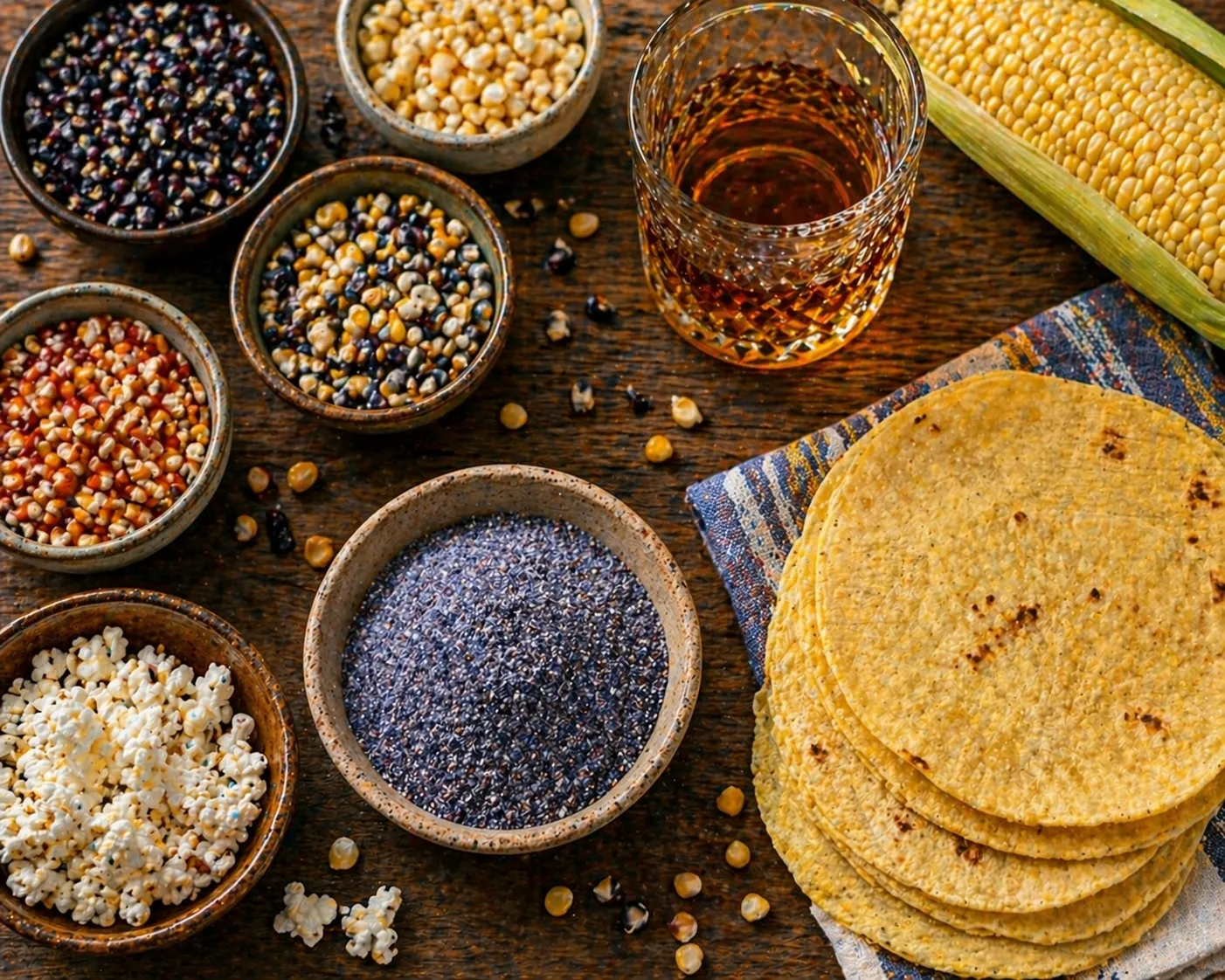
- Heritage & Heirloom Varieties: Utilizing non-GMO, open-pollinated corn types like Glass Gem (known for its stunning, jewel-colored kernels), Bloody Butcher, or Oaxacan Green. These varieties often possess deeper flavors and unique nutritional profiles.
- Sustainable Farming: Grown with regenerative agricultural practices that prioritize soil health, biodiversity, and reduced chemical inputs.
- Intentional Processing: Processed with methods that preserve nutrients and flavor, such as stone-grinding for masa or cornmeal, or low-temperature drying.
- Traceability & Story: Often sourced from specific farms or regions, allowing consumers to know the origin of their food.
Therefore, when you purchase a bag of crafted blue cornmeal or heirloom popcorn, you are buying a product with a deliberate story and a superior gastronomic purpose.
Nutritional Profile of Crafted Corn
While all corn provides energy in the form of carbohydrates, crafted corn often boasts enhanced nutritional benefits, particularly when whole-grain and minimally processed. Here is a breakdown of its key components:
| Nutrient | Benefit | Note on Crafted Varieties |
|---|---|---|
| Dietary Fiber | Supports digestive health and promotes satiety. | Heirloom varieties may have higher fiber content, especially in the bran. |
| Antioxidants | Combats oxidative stress and inflammation. | Pigmented corn (blue, purple, red) is rich in anthocyanins, powerful antioxidants also found in foods like grapes with seeds. |
| B Vitamins | Essential for energy metabolism and nervous system function. | Stone-grinding preserves more B vitamins compared to high-heat milling. |
| Carotenoids | Supports eye health and immune function. | Yellow corn is high in lutein and zeaxanthin. |
| Resistant Starch | Acts as a prebiotic, feeding beneficial gut bacteria. | Present in cooled, cooked corn products. |
Moreover, because crafted corn is typically less refined, it retains more of its natural micronutrients and phytochemicals compared to highly processed corn derivatives.
Culinary Uses: Beyond the Cob
The application of crafted corn is where its quality truly shines. Its superior flavor and texture elevate both traditional and innovative dishes.
1. Artisanal Masa and Tortillas
The cornerstone of Mesoamerican cuisine, masa is dough made from nixtamalized corn (corn treated with an alkaline solution). Crafted masa, made from heritage corn, produces tortillas, tamales, and chips with incomparable depth of flavor and aroma. This process also increases the bioavailability of niacin (Vitamin B3).
2. Heirloom Popcorn
Not all popcorn is created equal. Heirloom popcorn varieties explode into tender, flavorful flakes with unique shapes and colors. They are a perfect whole-grain snack, especially when air-popped and lightly seasoned. For a health-conscious topping, consider nutritional yeast instead of butter.
3. Specialty Cornmeal and Grits
Stone-ground cornmeal from crafted corn retains the germ and bran, resulting in a more nutritious and flavorful product for polenta, cornbread, and baking. Similarly, crafted grits offer a creamy texture and robust corn taste.
4. Fermented and Distilled Products
Crafted corn is a key ingredient in premium artisanal spirits like bourbon and whiskey, as well as in traditional fermented beverages. The grain’s quality directly influences the final product’s character.
Crafted Corn vs. Conventional Corn: A Clear Distinction
Understanding the difference is crucial for making informed choices.
- Purpose: Conventional corn is primarily grown for yield, animal feed, and industrial products (like high-fructose corn syrup). Crafted corn is grown for direct human consumption and culinary excellence.
- Genetic Diversity: Conventional fields often plant one hybrid variety. Crafted corn celebrates genetic diversity through many heirloom types.
- Processing: Conventional corn is often highly refined. Crafted corn prioritizes minimal, nutrient-preserving processing.
- Flavor & Nutrition: This is the most noticeable difference. The focus on variety and process results in a more complex flavor and often a denser nutrient profile in crafted corn.
How to Select and Store Crafted Corn Products
To fully enjoy the benefits, follow these tips:
- Look for Labels: Seek terms like “heirloom,” “stone-ground,” “non-GMO project verified,” and “nixtamalized.”
- Buy Whole Kernel: For the freshest cornmeal or grits, consider buying whole kernels and grinding them at home as needed.
- Storage is Key: Because crafted corn products often retain their oil-rich germ, they are more perishable. Store them in airtight containers in a cool, dark place or even the refrigerator to prevent rancidity. This principle of proper storage is similar to maintaining the quality of other nutrient-dense foods like hemp seeds vs flax.
The Bottom Line
Crafted corn represents a meaningful shift towards valuing food quality, agricultural sustainability, and cultural heritage. It transforms a common grain into a source of exceptional nutrition and culinary delight.
By choosing crafted corn products, you support farming practices that are better for the planet and gain access to the remarkable flavors that this ancient grain has to offer. Ultimately, it’s a simple way to elevate your meals while connecting to a richer food tradition.