
Craft Rope Guide: Types & DIY Techniques
The Complete Guide to Craft Rope: Materials, Techniques & Creative Projects
Craft rope is a wonderfully versatile material that opens up a world of creative possibilities, from home decor to personalized jewelry. Understanding its different types and applications can significantly enhance your DIY projects. This guide will walk you through everything you need to know to get started.
What is Craft Rope? Understanding the Basics
Craft rope refers to any cordage material used for decorative or functional DIY projects. Unlike industrial ropes designed for heavy lifting, craft ropes prioritize aesthetics, texture, and workability. They are typically made from natural or synthetic fibers and come in various thicknesses, colors, and twists. Consequently, selecting the right type is the first critical step for any successful project.
Popular Types of Craft Rope Materials
The material of your rope dictates its look, feel, and suitability for different projects. Here’s a breakdown of the most common types you’ll encounter.
Natural Fiber Ropes
These ropes are beloved for their organic, rustic appearance and biodegradable nature.
* Jute: Rough, sturdy, and natural brown. Perfect for rustic home decor like plant hangers and baskets.
* Cotton: Soft, smooth, and easily dyed. Ideal for macramé, jewelry, and trims.
* Hemp: Strong, durable, and has a slightly coarse texture. Excellent for heavier craft projects.
* Sisal: Very rough and stiff. Best used for decorative items like wreaths or rustic rug making.
Synthetic Fiber Ropes
Synthetic options offer durability, color consistency, and often weather resistance.
* Nylon: Strong, smooth, and resistant to mildew. Great for outdoor crafts.
* Polypropylene: Lightweight, waterproof, and floats. Often used for outdoor mats or marine crafts.
* Polyester: Holds color well, is UV resistant, and has minimal stretch. A good all-purpose synthetic choice.
Comparison Table: Craft Rope Materials at a Glance
| Material | Best For | Texture | Key Trait |
|---|---|---|---|
| Jute | Plant hangers, baskets, rustic decor | Coarse & rough | Biodegradable, natural look |
| Cotton | Macramé, wall hangings, jewelry | Soft & pliable | Easy to dye, beginner-friendly |
| Hemp | Dog toys, heavy-duty baskets, cordage | Strong & durable | Eco-friendly, ages well |
| Nylon | Outdoor furniture, pet leashes, pulls | Smooth & strong | Weather & mildew resistant |
Essential Techniques for Working with Craft Rope
Mastering a few basic techniques will unlock countless project ideas. Firstly, always remember to secure your ends with tape or a quick flame seal (for synthetic ropes) to prevent fraying.
Basic Knots Every Crafter Should Know
- Overhand Knot: The simplest knot, forming a secure stopper.
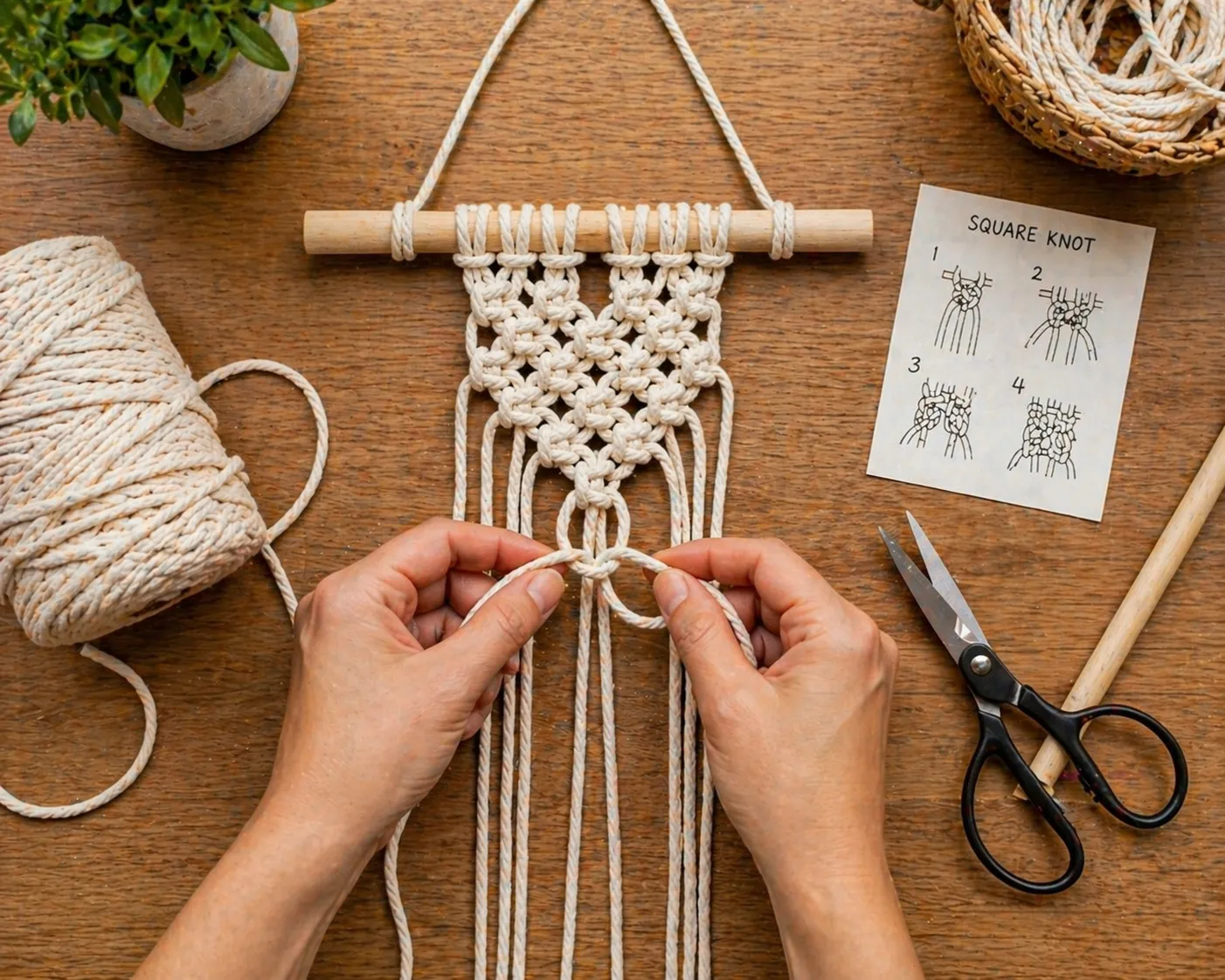
- Square Knot: A fundamental binding knot used to join two ropes.
- Clove Hitch: Excellent for starting projects where you tie rope to a ring or dowel.
Beyond Knots: Core Crafting Methods
- Macramé: The art of knotting cord to create decorative patterns. It’s incredibly popular for wall hangings and plant holders.
- Coiling & Sewing: This method involves wrapping a core rope with a thinner cord, sewn in place, to create baskets or mats.
- Braiding: Using three or more strands to create a cohesive, decorative rope. This is a simple way to add detail to any project.
Creative Project Ideas to Try
Now for the fun part! Here are some inspiring ways to use your craft rope.
Home Decor & Organization
Transform your living space with handmade items. For instance, you can create a macramé plant hanger to display your favorite greenery. Moreover, coiled rope baskets offer stylish storage solutions for blankets or toys. A simple rope-wrapped vase or jar can also add instant texture to a shelf.
Fashion & Personal Accessories
Craft rope isn’t just for the home. You can braid cotton rope into a chic belt or use thinner cords to make statement necklaces and bracelets. Additionally, consider adding beads or charms for a personalized touch.
Outdoor & Practical Crafts
For patio or garden use, synthetic ropes like nylon are ideal. You can weave an outdoor doormat or create a durable rope handle for a bucket. Furthermore, a knotted rope dog toy can be a fun and practical project for pet owners. If you enjoy grilling, knowing the difference between Halal meat vs Kosher can influence your meal planning, much like choosing the right rope influences your project’s success.
Pro Tips for Selecting and Caring for Your Rope
Choosing the right rope is paramount. Therefore, always consider the project’s end use. For indoor decor, natural fibers like cotton or jute are perfect. Conversely, for anything exposed to the elements, opt for UV-resistant synthetics like polyester.
Care and Maintenance:
* Natural Fibers: Avoid prolonged moisture to prevent mildew. Dust can be vacuumed gently.
* Synthetic Fibers: Most can be wiped clean with a damp cloth. Check manufacturer guidelines for washing.
* Storage: Keep rope in a cool, dry place, loosely coiled to prevent kinks.
Safety First: A Crucial Reminder
While craft rope is for lightweight projects, safety is always important. Always use appropriate tools like sharp scissors or a cutting knife. Importantly, never use craft rope for climbing, towing, or any load-bearing application meant for certified industrial rope. Its construction is not designed for such forces.
Conclusion: Your Journey with Rope Begins
Craft rope is an accessible and rewarding medium for creators of all skill levels. By understanding the materials, practicing basic techniques, and starting with simple projects, you can produce beautiful, handmade items. The key is to experiment; because each type of rope brings its own character to your work. So, pick a rope that inspires you and start knotting your way to a new creative hobby!
Ready to explore other DIY and wellness topics? Learn how to select the best ingredients for your lifestyle by comparing Ceylon Cinnamon vs Cassia for your kitchen pantry.

