
Craft Cord Types, Uses & DIY Ideas
The Ultimate Guide to Craft Cord: Unleashing Your Creative Potential
Craft cord is an incredibly versatile and fundamental material in the world of DIY and handmade projects. Essentially, it is any type of string, twine, or thin rope used for creating, decorating, or assembling items. From rustic home décor to intricate jewelry, the right cord can elevate a simple idea into a stunning finished piece.
This guide will explore the various types of craft cord, their best uses, and provide you with inspiring ideas to get started.
What is Craft Cord? Understanding the Basics
Firstly, it’s important to define what we mean by “craft cord.” This term encompasses a wide range of fibrous materials, each with unique textures, strengths, and aesthetics. Unlike industrial rope, craft cord is chosen for its visual appeal and workability in detailed projects.
Consequently, selecting the appropriate type is the first critical step toward a successful creation. The choice depends heavily on the project’s requirements for durability, flexibility, and style.
Popular Types of Craft Cord and Their Best Uses
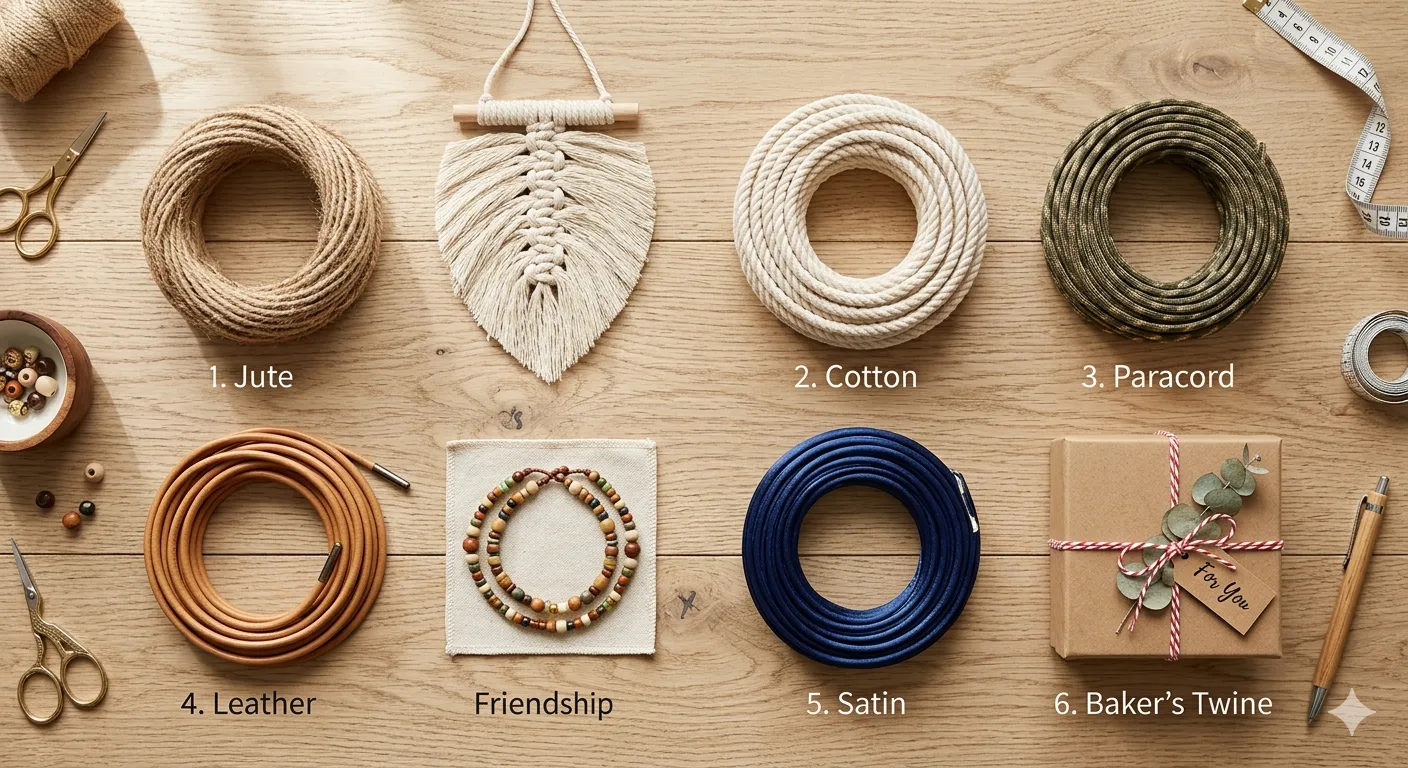
Navigating the different options can be overwhelming. Therefore, we’ve compiled a table to break down the most common types of craft cord, their key characteristics, and ideal project applications.
| Type of Craft Cord | Material & Texture | Key Characteristics | Best For |
|---|---|---|---|
| Jute Twine | Natural, coarse, from jute plant fibers. | Rustic, biodegradable, strong but can be scratchy. | Rustic décor, gift wrapping, garden projects, macramé plant hangers. |
| Cotton Cord | Soft, natural, often mercerized for shine. | Smooth, flexible, dyes well, available in many plies (thicknesses). | Jewelry making, friendship bracelets, detailed macramé, and senior craft projects. |
| Paracord (Parachute Cord) | Nylon, synthetic, interior strands (kernmantle). | Extremely strong, lightweight, weather-resistant, comes in many colors. | Survival bracelets, keychains, dog leashes, and outdoor gear. |
| Leather Cord | Strips of genuine or faux leather. | Durable, sleek, natural look, varies in softness and width. | Necklaces, bracelet cording, bohemian-style décor, and bookmark ties. |
| Hemp Cord | Natural, from hemp plant fibers. | Strong, eco-friendly, slightly textured, gains softness with use. | Beaded jewelry, macramé, and sustainable craft projects. |
| Satin Cord (Rattail) | Rayon or synthetic, smooth and glossy. | Silky sheen, drapes well, available in vibrant colors. | Ornamental trims, sophisticated jewelry, and decorative tassels. |
| Baker’s Twine | Typically cotton, often two-ply with contrasting colors. | Classic, slightly waxy feel, iconic rustic look. | Gift wrapping, tagging, scrapbooking, and vintage-style crafts. |
Creative Project Ideas to Spark Your Imagination
Now that you’re familiar with the materials, let’s explore some practical and creative ways to use them. Moreover, these ideas can be adapted for various skill levels, from beginner to advanced.
1. Macramé Wall Hangings and Plant Hangers
Macramé, the art of knotting cord, has seen a major resurgence. Cotton cord is the top choice for indoor pieces due to its softness and ease of knotting. For a durable outdoor plant hanger, however, synthetic cords like polypropylene or treated jute are more suitable. You can start with a simple mistletoe craft inspired by seasonal décor before moving to larger pieces.
2. Handmade Jewelry
Craft cord is a jewelry maker’s best friend. Leather cord makes elegant pendant necklaces, while colorful satin or cotton cord is perfect for beaded bracelets and anklets. Additionally, you can combine different cords for textured, layered looks. This creative process can be as relaxing as enjoying a cup of tea for digestion after a long day.
3. Personalized Gift Wrapping and Tags
Elevate your gift-giving with thoughtful details. Use baker’s twine to tie around boxes or brown paper. You can also create custom tags by writing on small pieces of cardstock and threading them with a matching cord. This simple touch adds a handmade, personal feel that store-bought ribbon cannot match.
4. Home Décor and Organization
From rustic dream catchers to cord-wrapped vases and jars, the possibilities are endless. You can use thicker jute or hemp cord to wrap around glass containers for a chic, organized pantry. Similarly, a few meters of attractive cord can become a unique curtain tie-back or a hanging photo display.
Essential Tips for Working with Craft Cord
To ensure your crafting experience is smooth and enjoyable, consider these pro tips. Firstly, always measure and cut more cord than you think you’ll need, especially for knotting projects, as knots consume length. Secondly, use the right tools: sharp scissors for clean cuts, fabric glue or clear nail polish to seal the ends of synthetic cords to prevent fraying.
Furthermore, when storing your cord, keep different types organized in separate containers to avoid tangles. For a deeper dive into structured making, you might explore principles from resources like our guide on PF2e crafting, which discusses systematic creation.
Where to Buy Quality Craft Cord
You can find basic craft cord at most hobby stores, craft chains, and online marketplaces. For specialized or bulk materials, online retailers often offer the widest selection of colors, materials, and thicknesses. Always check reviews to gauge the quality, especially for natural fibers like cotton and hemp.
In conclusion, craft cord is a simple material with limitless creative potential. Whether you’re embellishing a gift, crafting a statement necklace, or creating a bohemian wall hanging, the right cord is your foundational tool.
Therefore, we encourage you to experiment with different textures and strengths to discover which type sparks your next great project. Happy crafting

