
Top Peanut Butter Alternatives
Your Ultimate Guide to Peanut Butter Alternatives
Peanut butter is a beloved pantry staple, but it’s not for everyone. Whether due to a severe allergy, dietary preference, or simply a desire for variety, many people seek alternatives. Fortunately, the world of nut and seed butters is vast and delicious. This guide will explore the top substitutes, comparing their nutritional profiles, flavors, and best uses to help you find your perfect spread.
Why Look for a Peanut Butter Substitute?
Firstly, peanut allergies are one of the most common food allergies, necessitating safe alternatives. Secondly, dietary plans like the paleo or specific keto approaches may exclude peanuts. Moreover, rotating your food sources can provide a broader spectrum of nutrients and prevent food sensitivities. Consequently, having a list of alternatives is essential for health and culinary creativity.
Top Contenders: A Nutritional & Flavor Comparison
To make an informed choice, it’s helpful to compare popular options side-by-side. The following table breaks down key attributes.
| Alternative Butter | Primary Flavor Profile | Key Nutrients | Best For |
|---|---|---|---|
| Almond Butter | Rich, slightly sweet, earthy | Vitamin E, Magnesium, Calcium | Baking, smoothies, direct spreading |
| Cashew Butter | Mild, creamy, buttery | Copper, Magnesium, Iron | Sauces, dips, for those who prefer mildness |
| Sunflower Seed Butter | Nutty, deep, similar to peanut | Vitamin E, Magnesium, Selenium | School-safe (nut-free), allergy households |
| Tahini (Sesame) | Savory, earthy, slightly bitter | Calcium, Copper, Antioxidants | Salad dressings, hummus, savory dishes |
| Soy Nut Butter | Toasty, closest to peanut | Protein, Isoflavones | Direct peanut butter replacement in sandwiches |
| Pumpkin Seed Butter | Earthy, robust, green | Magnesium, Zinc, Iron | Keto/Paleo diets, adding to oatmeal |
| Coconut Butter | Sweet, tropical, creamy | MCTs, Fiber, Iron | Desserts, dairy-free “creams,” tropical flavors |
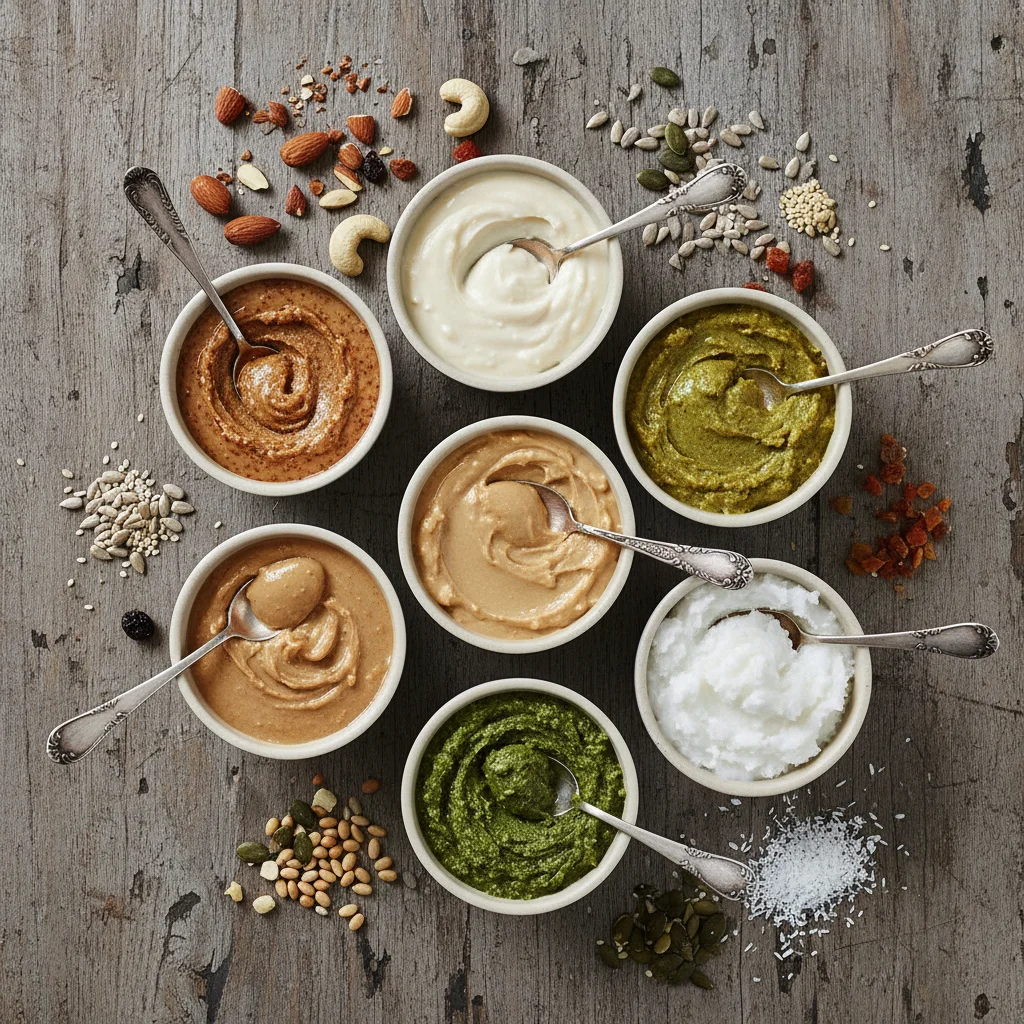
Deep Dive into the Best Alternatives
Almond Butter: The Nutrient-Dense All-Rounder
Almond butter is arguably the most popular alternative. It’s rich in vitamin E, a powerful antioxidant, and provides a good amount of magnesium. Its flavor is robust yet versatile, making it excellent for both sweet and savory applications. However, it is typically more expensive than peanut butter and is not tree-nut-allergy friendly.
Sunflower Seed Butter: The School-Safe Star
For a completely nut-free option, sunflower seed butter is the champion. It has a comparable texture and a deep, nutty flavor that appeals to both kids and adults. It’s an excellent source of vitamin E and selenium. Be aware that it can have a greenish-grey tint when baked, which is harmless but surprising. This is a fantastic option for managing blood sugar levels due to its healthy fat and protein content.
Tahini: The Savory Secret Weapon
Made from ground sesame seeds, tahini is a cornerstone of Middle Eastern cuisine. While its flavor is more savory than peanut butter, it provides incredible creaminess to dressings, sauces, and dips. It’s packed with minerals like calcium and copper. For a unique twist, try it drizzled over roasted vegetables or as a base for a quick sauce.
Coconut Butter: The Sweet & Tropical Choice
Coconut butter is made from pureed coconut meat, offering a sweet, tropical flavor and a unique texture that solidifies at cooler temperatures. It’s rich in medium-chain triglycerides (MCTs), which are a favored energy source on ketogenic diets. Therefore, it pairs wonderfully with fruit, in smoothies, or as a dairy-free frosting. It is not a high-protein option but excels in healthy fats.
How to Choose and Use Your Alternative
When selecting a substitute, consider your primary need:
* For Severe Allergies: Stick to seed butters like sunflower or pumpkin seed butter, and always check labels for cross-contamination warnings.
* For Keto or Low-Carb Diets: Opt for high-fat, lower-carb options like almond, macadamia, or coconut butter.
* For Baking: Almond and cashew butters often work best in a 1:1 substitution.
* For Savory Cooking: Tahini is your best bet for dressings and sauces.
Additionally, always read ingredient lists. Many commercial nut butters contain added sugars, hydrogenated oils, and excess salt. Look for options with just one or two ingredients: the nut or seed, and perhaps a little salt.
Incorporating Alternatives into Your Diet
Transitioning to a new spread is simple. Use your chosen alternative just as you would peanut butter:
* Spread it on apples, celery, or rice cakes.
* Blend it into smoothies for creaminess and protein.
* Stir a spoonful into oatmeal or yogurt.
* Use it as the base for satay sauce or a “peanut” noodle dish.
* Bake it into cookies or energy balls.
If you’re exploring dietary changes, you might find our guide on 9 vegan keto diet plans helpful for other meal inspiration. Furthermore, for overall wellness, understanding prostate health or finding the best tea for a sore throat can be valuable parts of your health journey.
The Bottom Line
Ultimately, the best peanut butter alternative depends on your dietary restrictions, nutritional goals, and taste preferences. The market offers an impressive array of delicious and healthy options. By experimenting with different nut and seed butters, you can not only avoid allergens but also discover new favorite flavors and boost your nutrient intake. Consequently, don’t hesitate to step outside the jar and try something new today.

