
Are Marshmallows Gluten-Free?
Are Marshmallows Gluten-Free? A Complete Guide
Navigating a gluten-free diet requires careful label reading, especially for seemingly simple treats like marshmallows. If you have celiac disease, non-celiac gluten sensitivity, or are simply avoiding gluten, you might wonder: are marshmallows gluten-free? The short answer is that most basic marshmallows are inherently gluten-free, but significant risks exist due to cross-contamination and certain additives. This guide will break down everything you need to know to enjoy marshmallows safely.
Understanding Marshmallow Ingredients
Firstly, to determine if a food is gluten-free, you must examine its core ingredients. Traditional marshmallows are made from a few simple components:
- Sugar (typically corn syrup, sucrose, or dextrose)
- Water
- Gelatin (which provides the chewy texture)
- Vanilla or other flavorings
- Cornstarch or powdered sugar (for dusting)
None of these base ingredients contain gluten, which comes from wheat, barley, rye, and their derivatives. Consequently, in their purest form, marshmallows should be safe. However, the manufacturing process and added ingredients can introduce gluten.
Potential Sources of Gluten in Marshmallows
While the basics are safe, several factors can turn a marshmallow into a gluten hazard. Therefore, vigilance is crucial.
1. Additives and Flavorings: Some manufacturers use modified food starch, which can be derived from wheat. Additionally, certain flavorings, colorings, or “natural flavors” may contain gluten-based carriers. Marshmallows with added cookie pieces, graham cracker flavor, or other inclusions are almost certain to contain gluten.
2. Cross-Contamination: This is the most common risk. Marshmallows are often produced in facilities that also process wheat-containing products. Shared equipment can lead to trace amounts of gluten contaminating otherwise safe marshmallows.
3. “Mallow” Products: Be wary of products like marshmallow fluff, spreads, or flavored marshmallow creams. These often contain additional stabilizers or thickeners that may not be gluten-free.
How to Choose Safe, Gluten-Free Marshmallows
To ensure your marshmallows are safe, follow this simple checklist:
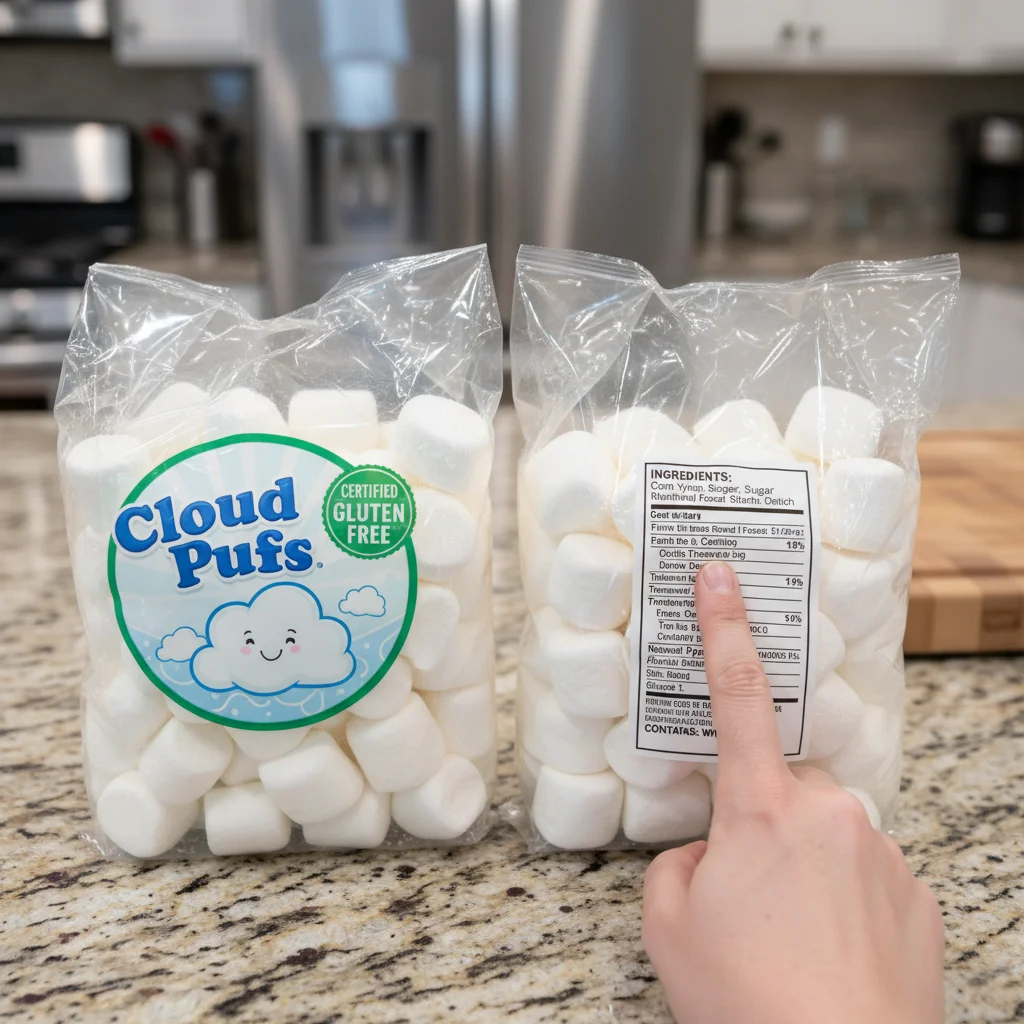
- Look for a “Gluten-Free” Label: This is the most reliable indicator. In many regions, a “gluten-free” label is a regulated claim, meaning the product contains less than 20 parts per million (ppm) of gluten, which is considered safe for most people with celiac disease.
- Read the Entire Ingredient List: Scan for obvious red flags like “wheat,” “barley,” “rye,” “malt,” or “modified food starch” (unless it specifies a source like corn).
- Check for Allergy Statements: Look for phrases like “Processed in a facility that also processes wheat” or “May contain wheat.” These are clear warnings to avoid the product.
- When in Doubt, Contact the Manufacturer: If the packaging is unclear, a quick email or call to the company can provide definitive answers about ingredients and manufacturing practices.
Popular Marshmallow Brand Gluten-Free Status
The following table provides a general overview of some common brands. Always verify with the current packaging, as formulations can change.
| Brand / Product | Typically Gluten-Free? | Important Notes & Considerations |
|---|---|---|
| Kraft Jet-Puffed Marshmallows | Yes | The standard vanilla marshmallows are considered gluten-free by the manufacturer. Always check the bag for allergen info. |
| Trader Joe’s Marshmallows | Yes | Their store-brand mini marshmallows are labeled gluten-free. |
| Dandies Marshmallows | Yes | These are vegan (use agar, not gelatin) and are certified gluten-free, making them a top choice for strict diets. |
| Campfire Marshmallows | Varies | Many of their classic marshmallows are gluten-free, but their Graham Swirls and other flavored varieties contain gluten. |
| Marshmallow-Based Products (e.g., Rice Krispie Treats) | No | These almost always contain cereals like wheat or barley malt. They are not safe for a gluten-free diet. |
Gluten-Free Recipes and Alternatives
If you’re concerned about store-bought options, making your own marshmallows is a fantastic and surprisingly simple solution. Homemade marshmallows allow you to control every ingredient, ensuring they are 100% gluten-free. Moreover, you can explore fun flavors like peppermint or strawberry.
For those interested in broader dietary explorations, understanding ingredient properties is key. For instance, learning about the differences between Epsom salt vs normal salt can enhance your home remedy or cooking knowledge, just as understanding marshmallow ingredients enhances your dietary safety.
Special Considerations: S’mores and Other Treats
The classic s’more poses an additional challenge. While your marshmallows might be safe, the graham crackers almost certainly are not, as they are traditionally made from wheat flour. Fortunately, several brands now offer certified gluten-free graham crackers. Similarly, always check the labels on chocolate bars, as some may contain gluten due to added ingredients or processing.
Furthermore, if you are managing other health conditions alongside gluten sensitivity, such as monitoring blood sugar, understanding how sweets fit into your diet is important. Resources like our guide on blood sugar levels can provide valuable context for making informed dietary choices.
Final Verdict
So, are marshmallows gluten-free? Most plain, classic marshmallows are made from gluten-free ingredients. However, because of real risks from cross-contamination and certain additives, they are not automatically safe. The safest approach is to only choose brands that are explicitly labeled “gluten-free.”
By diligently reading labels, contacting manufacturers when necessary, and opting for certified products, you can safely enjoy marshmallows in your hot chocolate, campfire s’mores, and favorite desserts without worry. Consequently, your gluten-free journey can still be sweet and satisfying.