
Benadryl and Alcohol: Risks, Dangers, and Safe Use Guide
Benadryl and Alcohol: A Dangerous Combination You Must Avoid
Mixing over-the-counter medications with alcohol is a common but often perilous mistake. Among these combinations, Benadryl (diphenhydramine) and alcohol stands out as particularly hazardous. Both substances are central nervous system (CNS) depressants, meaning they slow down brain activity. Consequently, when combined, their effects are not just added together—they are multiplied, leading to significantly amplified and dangerous side effects. This guide will explain the critical risks and provide essential safety information.
Why Mixing Benadryl and Alcohol is So Dangerous
Firstly, it’s crucial to understand the individual effects of each substance. Benadryl is an antihistamine used to treat allergy symptoms, but it also causes pronounced drowsiness. Alcohol is also a well-known depressant. When you combine them, you create a synergistic effect, a situation where the total impact is far greater than the sum of its parts.
Moreover, both are processed by the liver. Combining them can overwhelm your liver’s ability to metabolize them efficiently, potentially leading to toxic buildup and increased strain on this vital organ. Therefore, the dangers are both immediate (like extreme sedation) and long-term (like liver damage).
Amplified Side Effects and Risks
The concurrent use of Benadryl and alcohol dramatically increases the risk of several severe side effects:
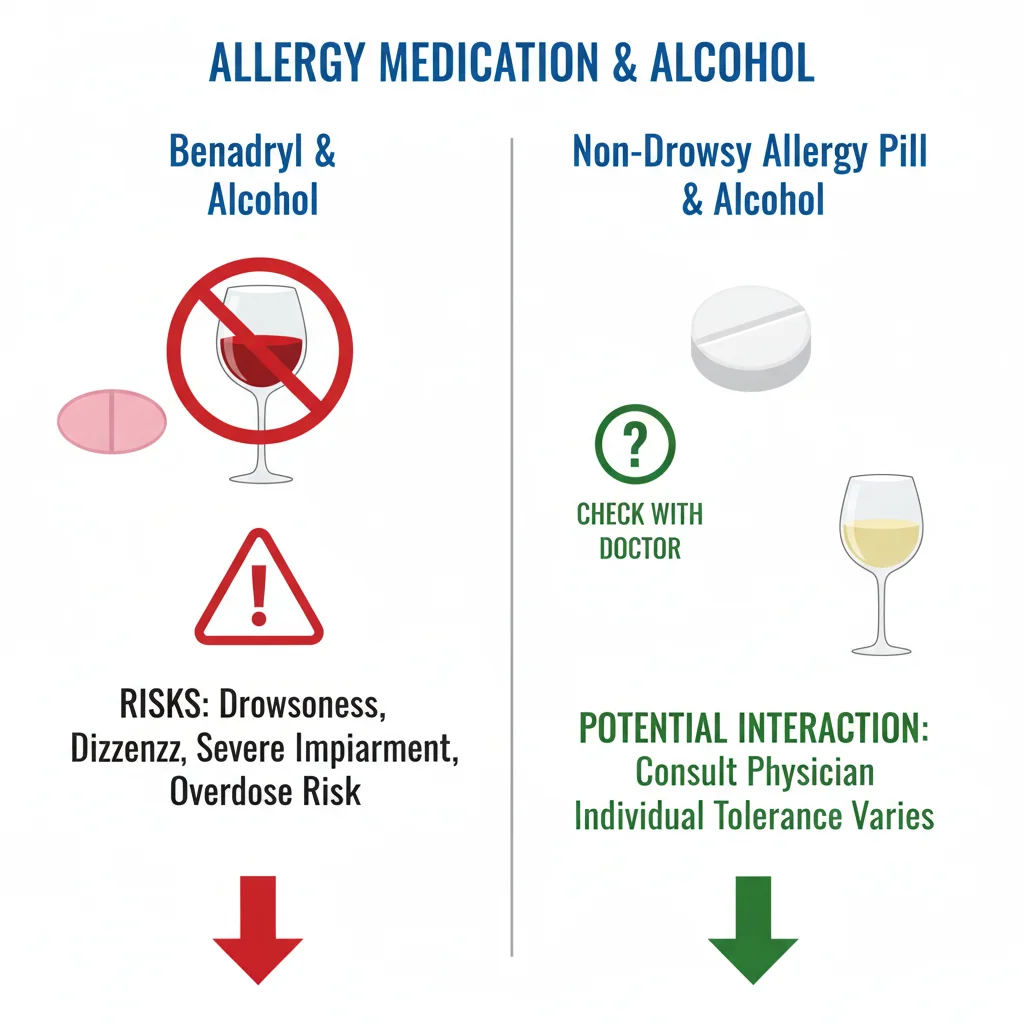
- Extreme Drowsiness and Sedation: This is the most common and immediate risk. You may become dangerously sedated, unable to operate a vehicle or machinery. Your reaction time can become severely impaired.
- Dizziness and Loss of Coordination: The combination can cause profound dizziness and make simple tasks like walking a serious fall hazard.
- Increased Risk of Overdose: Because the sedative effects are so potent, it becomes easier to accidentally consume a dangerous amount of either substance. Symptoms of an overdose can include severe confusion, hallucinations, seizures, and dangerously slowed breathing.
- Impaired Judgment and Cognitive Function: You may make poor decisions, a risk that is compounded by the drowsiness and dizziness.
- Worsened Dehydration: Both alcohol and Benadryl can have drying effects. Alcohol is a diuretic, and Benadryl has anticholinergic properties that reduce bodily secretions. Together, they can lead to significant dehydration, worsening hangover symptoms and stressing your kidneys.
- Respiratory Depression: In severe cases, the combined depressant effect can slow breathing to a dangerous level, which is a life-threatening medical emergency.
For more information on how the body processes substances and maintains balance, you can explore our guide on blood sugar levels, which, while focused on glucose, explains metabolic principles.
Understanding the Timing: How Long Should You Wait?
A critical question is: how long after taking Benadryl can you drink alcohol, or vice versa? There is no universally “safe” window because individual factors like age, weight, liver health, and metabolism vary greatly.
General Medical Advice: A conservative and widely recommended guideline is to avoid alcohol for at least 4-6 hours after taking a standard dose of Benadryl. This allows your body time to metabolize a significant portion of the medication. However, because diphenhydramine can cause drowsiness for much longer (sometimes over 12 hours in some individuals), the safest approach is to avoid alcohol entirely while you are using Benadryl.
If you have consumed alcohol, you should wait until you are fully sober and no longer feeling any effects before considering taking any medication containing diphenhydramine.
Key Safety Guidelines and Alternatives
To protect your health, follow these essential safety rules:
- Read Labels Carefully: Benadryl is the brand name for diphenhydramine, but this ingredient is found in many over-the-counter sleep aids, cold, and flu medications (e.g., Tylenol PM, Advil PM). Always check the “Drug Facts” panel.
- Consult a Doctor or Pharmacist: This is the most important step. If you have allergies and plan to be in a situation where alcohol may be consumed, ask your healthcare provider for a non-sedating antihistamine alternative like loratadine (Claritin), cetirizine (Zyrtec), or fexofenadine (Allegra). These typically do not interact with alcohol in the same dangerous way.
- Never Drive or Operate Machinery: If you have mixed these substances, even unintentionally, do not attempt to drive. The impairment can be severe and last for many hours.
- Seek Immediate Help for Overdose Symptoms: If you or someone else experiences confusion, hallucinations, seizures, or difficulty breathing after mixing Benadryl and alcohol, call emergency services (911 in the US) immediately.
Who is at Greatest Risk?
Certain groups face an even higher danger from this combination:
* Older Adults: Metabolism slows with age, and the sedative effects are more pronounced and longer-lasting.
* Individuals with Liver Conditions: Impaired liver function drastically reduces the body’s ability to process both substances.
* People Taking Other Medications: Combining multiple CNS depressants (e.g., opioids, anxiety medications, other sedatives) with Benadryl and alcohol is exceptionally hazardous.
* Those with Respiratory Issues: Conditions like asthma or sleep apnea can be worsened by respiratory depression.
For individuals managing other health conditions, such as prostate health, it’s vital to understand all medication interactions. Some supplements, like those focused on antioxidants for prostate health, may have their own guidelines, though they are typically different from pharmaceutical interactions.
The Bottom Line: Safety First
In conclusion, mixing Benadryl and alcohol is a serious risk to your health and safety. The potential for extreme sedation, accidental injury, and life-threatening overdose is real and significant. The synergistic depressant effect on your central nervous system is simply not worth the gamble.
Always prioritize consulting a healthcare professional for allergy management strategies that fit your lifestyle. By choosing a non-sedating alternative and practicing clear communication with your doctor or pharmacist, you can effectively manage your allergies without compromising your safety. Remember, when it comes to medications and alcohol, erring on the side of caution is always the wisest choice.

