
Best Foods After Wisdom Teeth Removal
The Best Foods for Wisdom Teeth Removal Recovery
Having your wisdom teeth removed is a common procedure, but the recovery process requires careful attention, particularly to your diet. Choosing the right foods is crucial because it can significantly impact your comfort, healing speed, and risk of complications like dry socket. Consequently, this guide will walk you through the best foods to eat after wisdom teeth extraction, organized by recovery stage.
Why Your Post-Surgery Diet Matters
Firstly, the primary goal after oral surgery is to promote healing and avoid disturbing the blood clots that form in the extraction sites. These clots are essential for protecting the underlying bone and nerves. Therefore, you must avoid hard, crunchy, chewy, or spicy foods that can dislodge them or cause irritation. Moreover, your body needs extra nutrients and hydration to repair tissue and fight off potential infection. A soft, nutrient-dense diet is the cornerstone of a smooth recovery.
Stage 1: The First 24-48 Hours (Liquids & Very Soft Foods)
During the initial day or two, focus on cool or room-temperature liquids and purees. Cold foods can help reduce swelling and provide soothing relief.
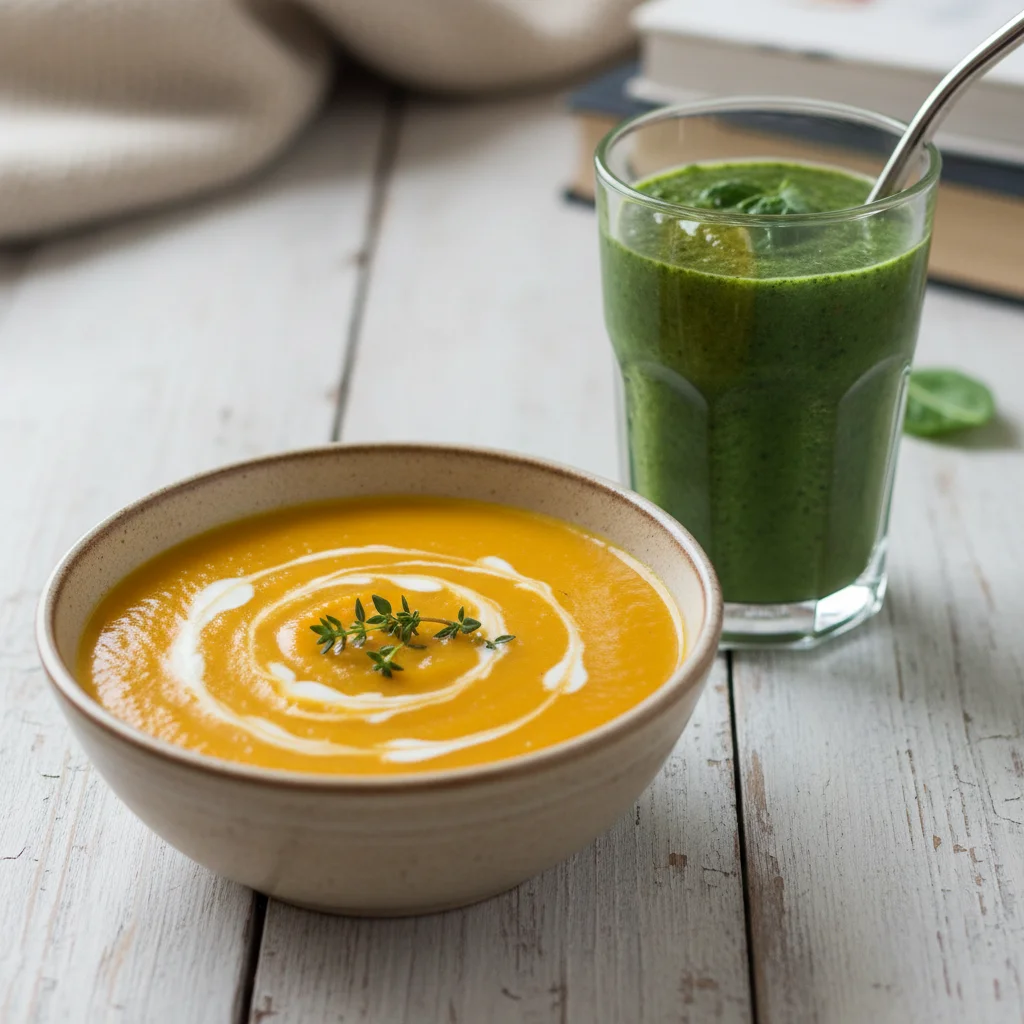
- Broths and Soups: Nutrient-rich bone broth, chicken broth, or vegetable broth are excellent for hydration and minerals. Ensure they are lukewarm, not hot.
- Smoothies and Milkshakes: Packed with vitamins, these are a great way to get nutrition. Avoid using a straw, however, as the suction can dislodge blood clots. Simply sip from a cup.
- Apple Sauce and Pudding: These provide easy calories and are gentle on the mouth.
- Greek Yogurt: High in protein and probiotics, which can be beneficial for overall wellness. Choose plain varieties without fruit chunks or granola.
Stage 2: Days 3-5 (Introducing Soft Solids)
As swelling decreases and pain becomes more manageable, you can gradually introduce slightly more substantial soft foods that require minimal chewing.
- Mashed Potatoes or Sweet Potatoes: A comforting source of carbohydrates and vitamins.
- Scrambled Eggs: A superb source of soft, easy-to-eat protein.
- Oatmeal or Cream of Wheat: Warm, soft, and filling. Let it cool to a lukewarm temperature before eating.
- Hummus or Refried Beans: Soft, protein-rich options that are easy to swallow.
- Blended Soups: Like butternut squash or tomato soup, which are more substantial than plain broth.
Foods to Absolutely Avoid
While knowing what to eat is important, understanding what not to eat is equally critical. Steer clear of:
* Crunchy or Hard Foods: Chips, nuts, seeds, popcorn, and toast.
* Chewy or Sticky Foods: Steak, bagels, caramel, and gum.
* Spicy or Acidic Foods: Hot sauce, citrus juices, and tomato-based sauces (unless fully blended).
* Extreme Temperatures: Very hot soups or coffee can disrupt healing.
* Alcohol: It can interfere with medications and slow healing.
For more general guidance on soothing oral discomfort, you can explore our list of effective sore throat remedies.
Nutritional Priorities for Healing
Beyond texture, the nutritional content of your food plays a direct role in recovery. Focus on these key nutrients:
| Nutrient | Why It’s Important | Best Soft Food Sources |
|---|---|---|
| Protein | Essential for tissue repair and immune function. | Greek yogurt, scrambled eggs, silken tofu, blended lentil soup, protein powder in smoothies. |
| Vitamin C | Crucial for collagen formation and wound healing. | Blended mango or peach smoothies, mashed sweet potato, lukewarm red pepper soup. |
| Zinc | Supports immune response and cell growth. | Blended pumpkin seed butter in smoothies, mashed beans, yogurt. |
| Hydration | Prevents dry mouth and helps transport nutrients. | Water, broth, herbal teas like chamomile tea (cooled), diluted fruit juices. |
Sample 3-Day Meal Plan for Recovery
To make planning easier, here is a simple meal plan idea for the first few days.
Day 1:
* Breakfast: Chilled protein smoothie (banana, spinach, protein powder, milk).
* Lunch: Lukewarm butternut squash soup.
* Dinner: Bone broth with a side of apple sauce.
* Snack: Greek yogurt.
Day 2:
* Breakfast: Very soft oatmeal cooled to room temperature.
* Lunch: Blended tomato soup.
* Dinner: Mashed avocado or guacamole.
* Snack: Chocolate pudding.
Day 3:
* Breakfast: Scrambled eggs.
* Lunch: Mashed sweet potato with a pat of butter.
* Dinner: Silken tofu blended into a smooth miso soup.
* Snack: Banana “ice cream” (frozen banana blended until smooth).
Transitioning Back to a Normal Diet
Typically, after about a week, you can begin to reintroduce more solid foods. Start with soft pasta, well-cooked vegetables, and soft fish. Proceed cautiously, and always listen to your body. If any food causes pain or seems to get lodged in the extraction sites, revert to softer options for another day or two.
Furthermore, maintaining good overall health can support recovery. For instance, ensuring proper gut health is often linked to better immune function. If you’re interested in supplements that support this, you might read about the best powder supplements for gut health.
Final Tips for a Smooth Recovery
- Stay Hydrated: Drink plenty of fluids throughout the day.
- Practice Gentle Oral Hygiene: Follow your dentist’s instructions, often starting with saltwater rinses 24 hours after surgery.
- Listen to Your Body: Pain is a signal. If eating something causes discomfort, stop.
- Avoid Straws and Smoking: The suction is a major risk factor for dry socket.
By following these dietary guidelines, you can nourish your body effectively and make your wisdom teeth recovery as comfortable and swift as possible. Remember, when in doubt, always consult with your oral surgeon or dentist for personalized advice.

