
Best Vitamins for Dry Aging Skin
The Best Vitamins for Dry, Aging Skin: A Science-Backed Guide
As we age, our skin naturally loses its ability to retain moisture and produce essential proteins like collagen. This process can lead to dryness, fine lines, and a loss of that coveted youthful plumpness. While a good skincare routine is crucial, true nourishment often starts from within. Therefore, incorporating specific vitamins and nutrients into your regimen can be a game-changer for restoring hydration and resilience to mature, dry skin.
This guide will walk you through the most effective vitamins for combating dry, aging skin, explaining how they work and how you can use them.
Why Does Skin Become Dry and Dehydrated with Age?
Firstly, it’s important to understand the underlying causes. Aging skin undergoes several key changes. The production of natural oils (sebum) slows down, and the skin’s barrier function weakens, making it harder to lock in moisture. Concurrently, the synthesis of collagen and elastin—the proteins responsible for skin’s structure and elasticity—diminishes. External factors like sun exposure, pollution, and lifestyle habits can accelerate this process. Consequently, a targeted internal approach with specific vitamins becomes essential to support the skin’s natural repair mechanisms.
Top Vitamins and Nutrients for Hydrated, Youthful Skin
The following table outlines the most powerful vitamins and compounds for addressing the core concerns of dry, aging skin.
| Vitamin/Nutrient | Primary Benefit for Aging Skin | Best Dietary Sources | Topical Application? |
|---|---|---|---|
| Vitamin C (Ascorbic Acid) | A potent antioxidant that fights free radicals, boosts collagen production, and brightens skin tone. | Citrus fruits, bell peppers, broccoli, strawberries. | Highly effective in serums. |
| Vitamin E (Tocopherol) | Protects skin cells from oxidative damage, strengthens the skin barrier, and works synergistically with Vitamin C. | Nuts, seeds, spinach, avocados. | Common in moisturizers and oils. |
| Vitamin A (Retinoids) | The gold standard for anti-aging. Increases cell turnover, stimulates collagen, and improves texture. | Liver, sweet potatoes, carrots, leafy greens. | Prescription retinoids or OTC retinol. |
| Vitamin D | Supports skin cell growth, repair, and metabolism. Crucial for a healthy immune response in the skin. | Fatty fish, egg yolks, fortified foods; sunlight. | Less common; primarily systemic. |
| Hyaluronic Acid | A powerful humectant that can hold up to 1000x its weight in water, providing deep hydration and plumping. | Bone broth, soy-based foods, supplements. | Excellent in serums and creams. |
| Omega-3 Fatty Acids | Reduce inflammation, fortify the skin’s lipid barrier, and help maintain skin hydration from within. | Fatty fish (salmon, mackerel), flaxseeds, walnuts. | Typically taken as a supplement. |
| B Vitamins (Niacinamide – B3) | Improves skin elasticity, enhances barrier function, reduces water loss, and evens skin tone. | Chicken, tuna, lentils, avocados. | Very effective in topical formulations. |
How to Integrate These Powerhouse Nutrients
1. Focus on a Nutrient-Dense Diet
The foundation of healthy skin is a balanced diet. Prioritize colorful fruits and vegetables rich in antioxidants, healthy fats from fish and nuts, and lean proteins. For instance, a diet lacking in essential fatty acids can directly contribute to dry skin. Moreover, staying impeccably hydrated by drinking plenty of water is non-negotiable for maintaining skin turgor and suppleness.
2. Consider High-Quality Supplements
While food should always come first, supplements can help fill nutritional gaps. A broad-spectrum multivitamin, a dedicated collagen peptide supplement, or an omega-3 fish oil capsule can provide concentrated support. Always consult with a healthcare provider before starting any new supplement regimen, especially if you have underlying health conditions or are on medication. For insights into other targeted supplements, you might explore our guide on the best brain health supplements, which emphasizes the importance of foundational nutrients for overall wellness.
3. Use Targeted Topical Treatments
Pair your internal nutrition with potent topical actives. Look for serums containing stable forms of Vitamin C, moisturizers with ceramides and hyaluronic acid, and night creams with retinol. Applying a hyaluronic acid serum to damp skin, for example, can dramatically boost its hydrating effects.
Lifestyle Factors You Cannot Ignore
Vitamins are powerful, but they work best within a holistic framework. Firstly, daily sunscreen use is the single most effective way to prevent premature aging and moisture loss. Secondly, avoid long, hot showers which can strip the skin’s natural oils. Thirdly, manage stress through techniques like meditation, as chronic stress can exacerbate skin conditions and impair the skin’s barrier function. Additionally, quality sleep is when your skin undergoes most of its repair and regeneration.
Key Takeaways and Final Thoughts
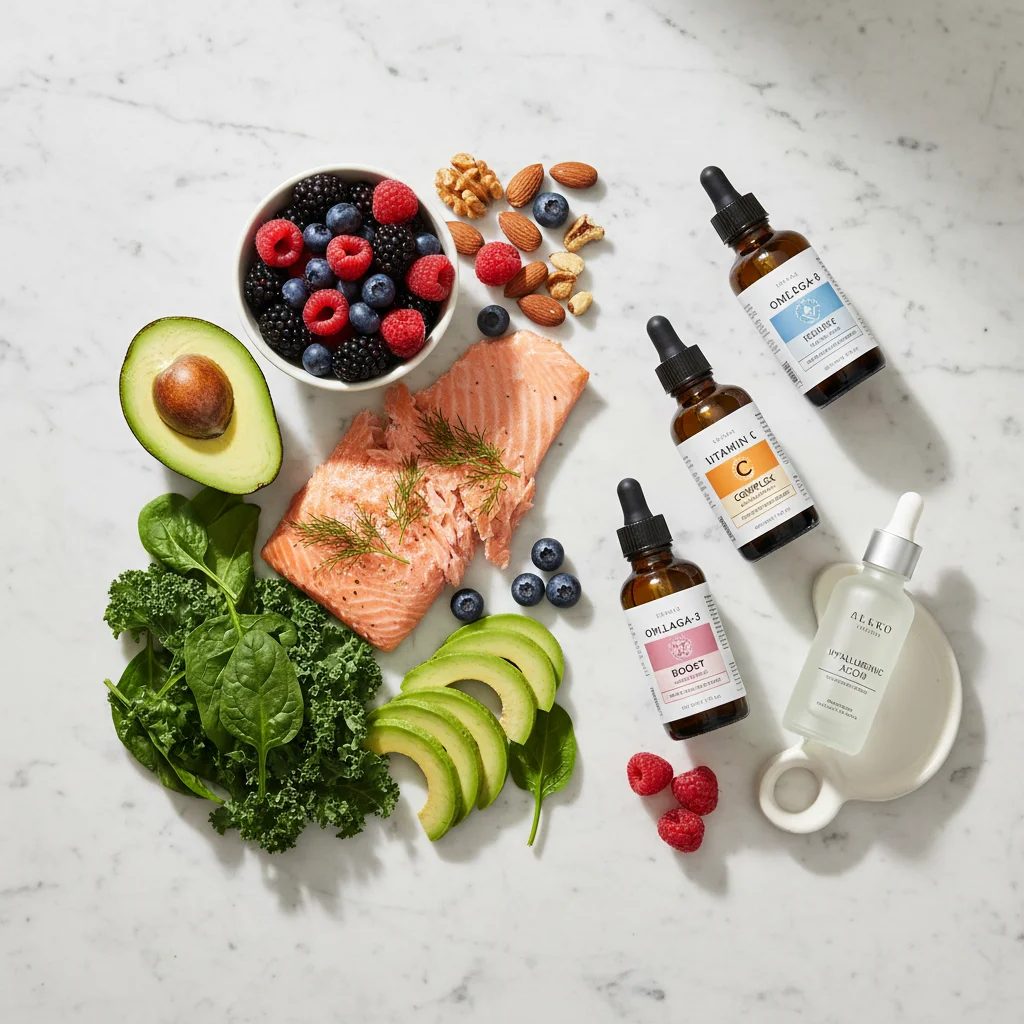
Combating dry, aging skin requires a multi-faceted strategy. Internally, vitamins C, E, A, and D, alongside hyaluronic acid and omega-3s, provide the building blocks for hydration and repair. Externally, a consistent routine with barrier-supporting ingredients locks in that nourishment.
Remember, consistency is key. Results from dietary changes and supplements may take several weeks to become visible, as skin cell turnover is a gradual process. Be patient and persistent. By nourishing your skin from the inside out and protecting it from the outside in, you can significantly improve its texture, hydration, and overall youthful appearance.
For further reading on how specific nutrients impact other areas of health, such as metabolic wellness, our comprehensive blood sugar levels guide offers valuable information.

