
Back Braces: Types, Benefits, Recovery
Understanding Braces on the Back: A Comprehensive Guide
Back braces, often referred to as orthopedic supports or corsets, are medical devices designed to support, stabilize, and protect the spine. They are commonly prescribed for a variety of conditions, from acute injuries to chronic postural issues. If you’re considering or have been advised to use a brace, understanding their purpose, types, and proper application is crucial for effective recovery and long-term spinal health.
What Are Back Braces and How Do They Work? 🤔
A back brace is an external device that wraps around the torso. Its primary function is to limit motion in the spine, thereby reducing pain and preventing further injury. Moreover, it provides structural support to weakened muscles and promotes proper alignment. Consequently, by immobilizing and supporting specific areas, a brace can facilitate healing and improve functional capacity.
The Core Mechanisms of Support
Back braces work through several key mechanisms. Firstly, they increase intra-abdominal pressure, which effectively offloads stress from the spinal vertebrae and discs. Secondly, they remind the wearer to maintain a correct posture, reducing slouching. Additionally, they can provide warmth and compression to muscles, which may help alleviate discomfort and reduce muscle spasms.
Common Types of Back Braces
Selecting the right brace depends entirely on your specific condition and the area of the spine requiring support. Here is a breakdown of the most prevalent types:
| Brace Type | Primary Purpose | Common Use Cases |
|---|---|---|
| Lumbosacral (LSO) | Supports the lower back (lumbar spine). | Herniated discs, post-surgery recovery, severe lower back pain. |
| Thoracolumbosacral (TLSO) | Supports the mid to lower back (thoracic & lumbar). | Moderate to severe scoliosis, spinal fractures, post-operative stabilization. |
| Posture Corrector | Gently pulls shoulders back to align spine. | Chronic slouching, kyphosis, desk-related postural pain. |
| Sacroiliac (SI) Belt | Stabilizes the sacroiliac joints in the pelvis. | SI joint dysfunction, pregnancy-related pelvic pain. |
| Flexible / Soft Brace | Provides compression and mild support. | Muscle strains, arthritis, general activity support. |
Key Benefits of Using a Back Brace
The advantages of using a spinal support device extend beyond simple pain relief. When used correctly under professional guidance, the benefits are multifaceted.
- Pain Reduction: By limiting painful movements and providing stability, braces can significantly decrease acute and chronic back pain.
- Injury Prevention: For individuals with unstable spines or those engaged in heavy lifting, a brace can prevent re-injury.
- Postural Improvement: Posture correctors train muscles to hold the spine in a neutral, healthy position over time.
- Healing Support: After surgery or a fracture, a brace creates an optimal environment for bones and tissues to heal properly.
- Increased Activity: With reduced pain and increased confidence in movement, many users find they can return to daily activities sooner.
However, it is vital to note that braces are typically a temporary aid, not a permanent solution. Over-reliance can lead to muscle weakening, which is why they are often part of a broader treatment plan including physical therapy.
Proper Usage and Recovery Guidelines
Wearing a back brace effectively requires more than just strapping it on. Follow these guidelines to ensure you gain the maximum benefit while minimizing potential drawbacks.
How to Wear Your Brace Correctly
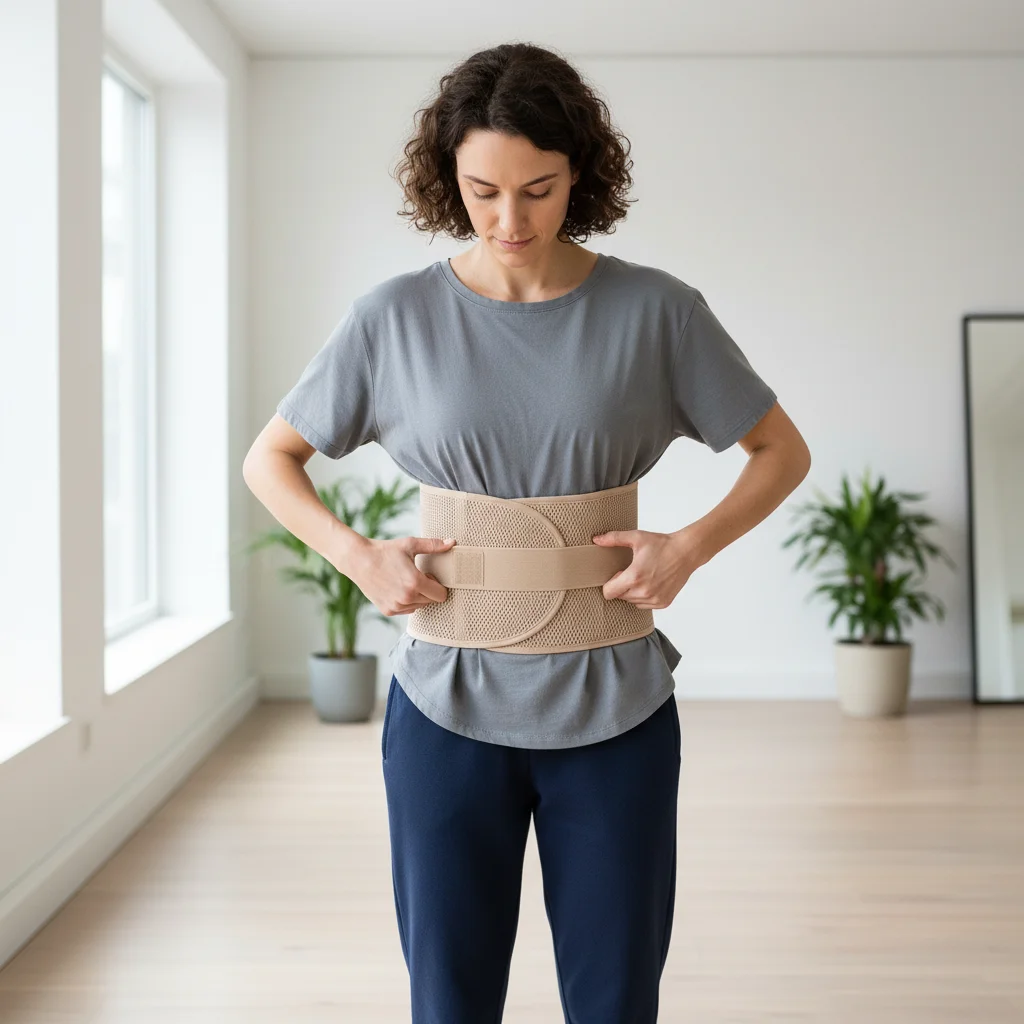
Firstly, always follow your healthcare provider’s specific instructions. Generally, the brace should be snug but not uncomfortably tight; you should be able to breathe deeply without restriction. It should sit flat against your skin without pinching. Moreover, it is often recommended to wear a thin cotton shirt underneath to prevent skin irritation.
Integrating with a Recovery Plan
A brace is rarely a standalone treatment. For comprehensive healing, it should be integrated with:
* Physical Therapy: Targeted exercises are essential to strengthen the core muscles that ultimately support your spine, reducing dependence on the brace.
* Ergonomic Adjustments: Improve your workspace and daily habits to support spinal health. For instance, learning proper lifting techniques is crucial.
* Pain Management: Complementary approaches, such as heat therapy or certain natural sore throat remedies that use soothing herbs, highlight the body’s positive response to supportive care. For overall wellness, some explore supplements for cognitive support, which you can learn about in our review of the best brain health supplements.
Potential Risks and When to See a Doctor
While beneficial, improper use of a back brace carries risks. The most significant risk is muscle atrophy—the weakening of core muscles due to lack of use. Therefore, braces are generally prescribed for specific periods and purposes.
You should consult a doctor or orthopedic specialist if:
* You experience new numbness, tingling, or weakness in your legs.
* Your pain worsens or does not improve with bracing.
* You have signs of skin breakdown or infection under the brace.
* You are unsure about the type of brace you need or how long to wear it.
A professional diagnosis is essential because back pain can stem from various causes, some of which require more than supportive care. For authoritative information on spinal anatomy and conditions, you can refer to resources like the National Institute of Arthritis and Musculoskeletal and Skin Diseases (NIAMS).
Conclusion: A Tool for Support, Not a Cure-All
In summary, braces for the back are valuable medical tools that provide stability, reduce pain, and support healing for a range of spinal conditions. Their success, however, hinges on correct selection, proper usage, and integration into a holistic recovery plan focused on strengthening the body’s own supportive structures.
Always seek professional medical advice to determine if a brace is right for your specific situation and to ensure you use it safely and effectively as a step toward long-term back health.

