
Broccoli vs Cauliflower- Health Benefits Guide
Broccoli vs Cauliflower: The Ultimate Cruciferous Vegetable Showdown
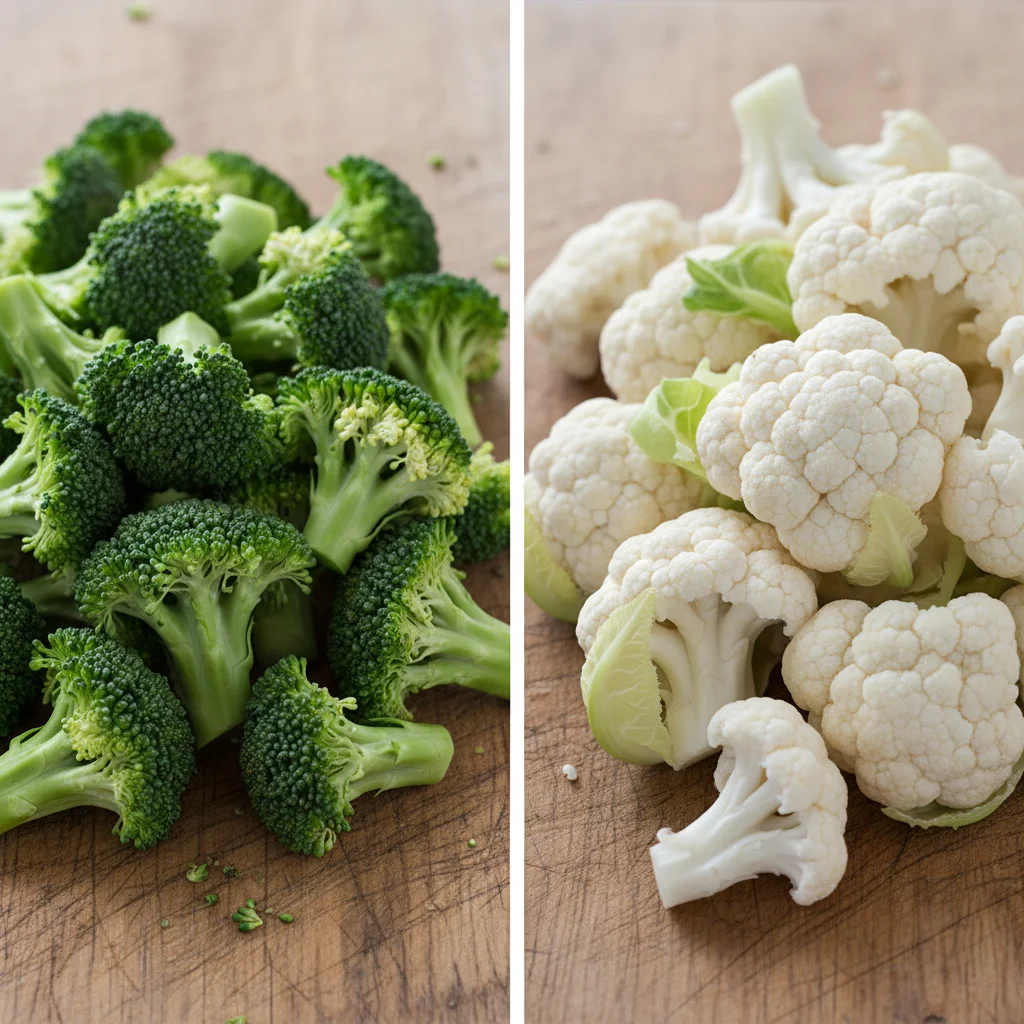
When navigating the produce aisle, the vibrant green florets of broccoli and the pale, creamy heads of cauliflower often sit side-by-side. While they are close botanical relatives, belonging to the illustrious Brassica oleracea species, their differences are significant.
Choosing between them isn’t just about color; it’s about understanding their unique nutritional profiles, culinary applications, and health impacts. This comprehensive guide will dissect the broccoli vs cauliflower debate, empowering you to make the best choice for your plate.
Botanical Background: A Tale from the Same Family
Firstly, it’s important to recognize that broccoli and cauliflower are more than just casual acquaintances; they are siblings. Both are cultivars of the same wild cabbage plant. Through centuries of selective breeding, farmers cultivated broccoli for its flowering head and stems, and cauliflower for its undeveloped flower buds, known as the “curd.”
This shared heritage explains their similar growing conditions and some overlapping health properties, but their divergence is where things get interesting.
Nutritional Breakdown: A Side-by-Side Comparison
To truly understand which vegetable might be better for your specific goals, we must examine the data. The following table compares one cup (approximately 91g raw) of chopped broccoli and cauliflower.
| Nutrient (1 cup raw) | Broccoli | Cauliflower |
|---|---|---|
| Calories | 31 kcal | 27 kcal |
| Protein | 2.5 g | 2.1 g |
| Total Carbohydrates | 6 g | 5.3 g |
| Dietary Fiber | 2.4 g | 2.1 g |
| Sugar | 1.5 g | 2.0 g |
| Vitamin C | 81.2 mg (90% DV) | 51.6 mg (57% DV) |
| Vitamin K | 92.5 mcg (77% DV) | 16.6 mcg (14% DV) |
| Folate (B9) | 57.3 mcg (14% DV) | 61 mcg (15% DV) |
| Potassium | 288 mg (6% DV) | 320 mg (7% DV) |
Data sourced from the USDA FoodData Central. DV = Percent Daily Value.
Interpreting the Nutritional Data
As the table illustrates, both are low-calorie, high-fiber champions. However, broccoli pulls ahead in specific micronutrients. It offers a substantially higher amount of vitamin C and is an exceptional source of vitamin K, which is crucial for blood clotting and bone health. Conversely, cauliflower provides slightly more potassium and folate. Consequently, if you’re looking to boost your immune support and vitamin K intake, broccoli is the clear winner. For those managing carbohydrate intake, cauliflower’s marginally lower carb and sugar count might be preferable, especially as a rice or mash substitute.
Health Benefits: Where Each Vegetable Shines
Both vegetables are packed with antioxidants and sulfur-containing compounds like glucosinolates, which have been studied for their potential anti-cancer properties according to research published by the National Institutes of Health (NIH).
- Broccoli’s Strengths: Broccoli is particularly rich in a compound called sulforaphane, which is formed when the vegetable is chopped or chewed. Studies suggest sulforaphane may have potent anti-inflammatory and cancer-protective effects. Additionally, its high vitamin K content directly supports cardiovascular and bone health.
- Cauliflower’s Advantages: Cauliflower is an excellent source of choline, a nutrient vital for brain health, metabolism, and liver function. Its neutral color and flavor also make it a versatile “canvas” in the kitchen, allowing it to be transformed into low-carb alternatives for grains and starches, which can be beneficial for weight management or blood sugar control. For more on managing metabolic health, explore our guide on understanding blood sugar levels.
Culinary Uses and Flavor Profiles
This is where personal preference plays a major role. Their distinct tastes and textures dictate their best uses in the kitchen.
- Broccoli: Has a distinctive, earthy, and slightly bitter flavor with a firm, crunchy texture when raw and a tender-crisp bite when steamed. It holds up well in stir-fries, soups, and as a simple steamed side. Its robust flavor pairs excellently with strong seasonings like garlic, ginger, and soy sauce.
- Cauliflower: Possesses a much milder, nuttier, and slightly sweet taste with a denser, more crumbly texture. Its mildness is its superpower; it readily absorbs the flavors of spices and sauces. This makes it perfect for creating “rice,” pizza crusts, creamy soups (without cream), and even as a substitute in sore throat remedies like a gentle, blended soup.
Which One Should You Choose?
The answer, happily, is that you don’t always have to choose. Incorporating both into a varied diet is ideal. However, for specific needs:
- Choose Broccoli if: You want to maximize your intake of vitamins C and K, prefer a more pronounced vegetal flavor, and enjoy a crunchy texture.
- Choose Cauliflower if: You need a low-carb substitute for grains, prefer a mild flavor that blends into dishes, or are focusing on brain-supporting choline.
Moreover, both are foundational vegetables for anyone interested in a health-conscious lifestyle. If you’re exploring other natural health topics, you might find value in reviews of supplements like Thyrovanz or Prostavive, though it’s always best to consult with a healthcare provider.
Conclusion: A Tie with Two Winners
In the battle of broccoli vs cauliflower, there is no single loser. They are both nutritional powerhouses that deserve a regular place in your diet. Broccoli wins on the depth of certain vitamins and a powerful antioxidant profile, while cauliflower wins on versatility and its role as a culinary chameleon for modern diets.
Therefore, the most strategic approach is to enjoy both regularly, leveraging their unique strengths to support your health and delight your taste buds. Ultimately, the real victory is on your plate, filled with colorful, nutrient-dense whole foods.

