
All Causes of Bump on Tongue & When to See Doctor
Understanding That Bump on Your Tongue: A Complete Guide
Discovering a bump on your tongue can be an alarming and uncomfortable experience. However, it’s a common occurrence with a wide range of possible causes, most of which are harmless and resolve on their own.
This guide will help you understand the different types of tongue bumps, their potential causes, and the crucial signs that indicate it’s time to see a doctor.
What Can Cause a Bump on the Tongue?
A variety of factors can lead to the development of bumps or lesions on the tongue. These range from minor injuries to viral infections and, in rare cases, more serious conditions. Identifying the cause is the first step toward effective management and peace of mind.
Common Benign Causes
Most tongue bumps are temporary and not a cause for serious concern. Here are the most frequent culprits:
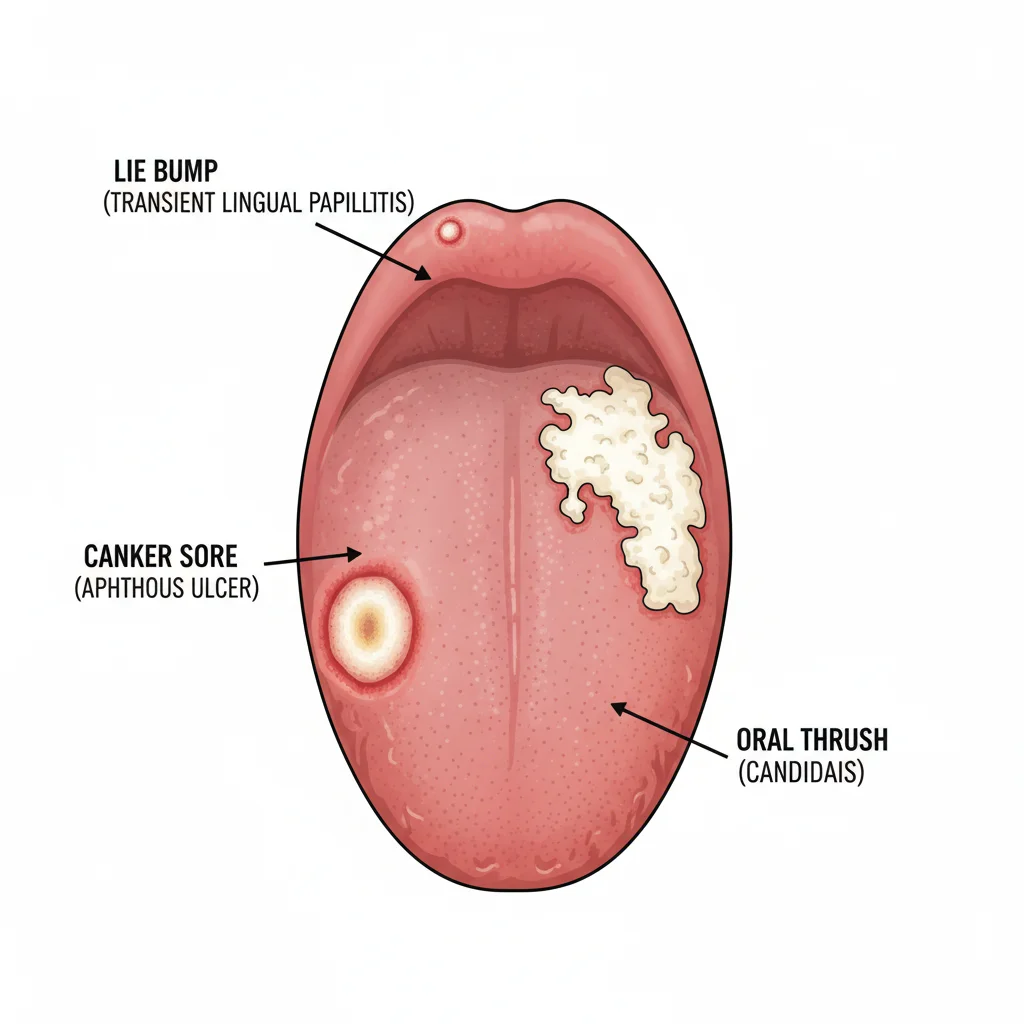
- Lie Bumps (Transient Lingual Papillitis): These small, painful, red or white bumps appear suddenly, often due to stress, hormonal changes, or eating acidic or spicy foods. They typically disappear within a few days.
- Canker Sores (Aphthous Ulcers): These painful, round ulcers with a white or yellow center and red border can form on the tongue or inside the cheeks. Triggers include minor mouth injury, food sensitivities, or stress. For natural soothing options, explore our guide on effective sore throat remedies.
- Trauma: Accidentally biting your tongue, burning it with hot food, or irritation from dental appliances can cause a temporary bump or ulcer.
- Allergic Reactions: Certain foods, medications, or even ingredients in toothpaste can trigger bumps or swelling on the tongue.
- Viral Infections: Viruses like the herpes simplex virus (which causes cold sores) or hand, foot, and mouth disease can lead to blister-like bumps on the tongue.
Less Common but Notable Causes
Some conditions require more specific attention or medical diagnosis:
- Oral Thrush: A yeast infection caused by Candida, presenting as creamy white lesions that can be scraped off, sometimes leaving a red, bumpy base.
- Enlarged Papillae: Your taste buds (fungiform papillae) can become inflamed or enlarged, appearing as small red or white bumps.
- Scarlet Fever: A bacterial infection that can cause a “strawberry tongue” appearance, where the tongue is red and bumpy.
- Oral Cancer: While less common, a persistent bump or sore on the tongue that doesn’t heal is a key symptom. It may be accompanied by pain, bleeding, or numbness.
Identifying Different Types of Tongue Bumps
The appearance and location of the bump can offer clues about its origin. Use this table as a general reference guide.
| Bump Type / Name | Appearance & Location | Common Causes | Typical Duration |
|---|---|---|---|
| Lie Bumps | Small, red or white, often on tip or sides. Very painful. | Stress, diet, irritation | 1-3 days |
| Canker Sore | Round ulcer with white/yellow center, red border. Can be on any soft tissue. | Minor injury, stress, diet | 1-2 weeks |
| Oral Thrush | Creamy white patches that wipe off, leaving red areas. | Yeast overgrowth, antibiotics | Requires treatment |
| Trauma Bump | Red, swollen, or ulcerated area at site of injury. | Biting, burning, abrasion | 3-7 days |
| Enlarged Papillae | Single, often reddened, inflamed taste bud. | Irritation, hot foods | A few days |
| Oral Cancer | Persistent lump, ulcer, or red/white patch that won’t heal. | Tobacco use, HPV, alcohol | Persistent & grows |
When Should You Be Concerned? Warning Signs
While most bumps are harmless, certain symptoms warrant a prompt visit to a healthcare professional or dentist. You should seek medical advice if the bump on your tongue:
- Persists for more than two weeks without any signs of improvement.
- Grows in size or changes shape and color.
- Causes severe pain that interferes with eating or drinking.
- Is accompanied by unexplained bleeding.
- Occurs alongside other symptoms like fever, rash, or difficulty swallowing.
- Feels hard or fixed in place.
Early evaluation is crucial for ruling out serious conditions and initiating appropriate treatment.
Moreover, maintaining overall oral health is a key part of prevention. For insights into supporting your body’s natural defenses, you might find our article on antioxidants for prostate health informative, as antioxidants play a role in cellular health throughout the body.
Treatment and Home Care for Tongue Bumps
Treatment depends entirely on the underlying cause. Consequently, a proper diagnosis is essential.
- For Minor Irritations: Most bumps heal on their own. You can aid recovery by practicing good oral hygiene, rinsing with warm salt water, and avoiding spicy, acidic, or sharp foods that can cause further irritation.
- For Infections: Bacterial infections may require antibiotics, while fungal infections like thrush need antifungal medications. Viral infections are typically managed with supportive care.
- For Canker Sores: Over-the-counter topical gels or mouth rinses can provide pain relief and promote healing.
- For Serious Conditions: Conditions like oral cancer require specialized treatment plans, which may include surgery, radiation, or chemotherapy.
Prevention Tips
You can reduce your risk of developing painful tongue bumps by:
* Maintaining excellent oral hygiene (brushing and flossing).
* Using a soft-bristled toothbrush.
* Avoiding overly hot foods and drinks.
* Managing stress levels.
* Limiting consumption of known irritants like spicy chips or acidic candies.
Final Thoughts
In summary, a bump on your tongue is usually a temporary nuisance caused by minor injury, irritation, or a common virus. By paying attention to its characteristics and duration, you can often identify a benign cause. However, you must never ignore persistent, growing, or painful lesions.
When in doubt, always consult a doctor or dentist for a definitive diagnosis and appropriate care. Proactive attention to your oral health is a simple yet powerful step toward your overall well-being.

