
Seaweed While Pregnant: Safety & Benefits
Can I Eat Seaweed While Pregnant? A Complete Guide
Pregnancy is a time of heightened awareness about everything you eat. You’re right to question what’s safe. Seaweed, a staple in many Asian cuisines and a rising star in health food circles, often lands on the “is this okay?” list. The short answer is yes, you can eat seaweed while pregnant, but with important caveats. It can be a nutritional powerhouse, but moderation and choosing the right type are key.
Let’s dive into the details to help you make an informed choice.
The Nutritional Benefits of Seaweed in Pregnancy
Seaweed is more than just a sushi wrapper. It’s a dense source of vital nutrients that support both you and your growing baby. When consumed safely, it can be a valuable addition to a prenatal diet.
| Nutrient | Benefit During Pregnancy | Found In |
|---|---|---|
| Iodine | Critical for fetal brain development and regulating your thyroid function. | Especially high in kombu and wakame. |
| Iron | Helps prevent anemia by supporting increased blood volume. | Nori and dulse are good plant-based sources. |
| Folate (B9) | Essential for preventing neural tube defects in early pregnancy. | Present in most seaweeds. |
| Fiber | Aids digestion and can help alleviate pregnancy-related constipation. | All varieties, particularly kelp. |
| Omega-3 (DHA & EPA) | Supports baby’s brain and eye development. | Found in fatty seaweeds like certain algae. |
| Calcium & Magnesium | Important for building fetal bones and preventing muscle cramps. | Varied levels across different types. |
Potential Risks and Concerns: What to Watch For
While nutritious, seaweed is not without its risks during pregnancy. Being aware of these allows you to mitigate them.
1. Excess Iodine and Thyroid Issues
This is the primary concern. Seaweed, especially kombu (kelp), can contain extremely high levels of iodine. While iodine is necessary, too much can disrupt your thyroid gland, potentially leading to hypothyroidism or hyperthyroidism, which can affect fetal development. The National Institutes of Health (NIH) provides guidelines on safe iodine intake during pregnancy.
2. Heavy Metal Contamination
Seaweeds can absorb minerals from the ocean, including heavy metals like arsenic, lead, cadmium, and mercury. While typically at low levels, frequent consumption of certain types (like hijiki, which is known for high inorganic arsenic) should be avoided.
3. High Sodium Content
Some prepared seaweed products, like seasoned nori snacks or seaweed salads, can be very high in salt, contributing to water retention and high blood pressure.
4. Vitamin K Interference
Seaweed is high in Vitamin K, which aids blood clotting. If you are on blood-thinning medication, you should consult your doctor before adding it to your diet.
How to Safely Enjoy Seaweed During Pregnancy
Follow these guidelines to reap the benefits while minimizing risks:
- Choose Your Type Wisely: Nori (used for sushi) is generally considered the safest and lowest in iodine. Wakame (in miso soup) is also a good option in moderation. Avoid frequent consumption of kombu/kelp and hijiki.
- Practice Moderation: Think of seaweed as a condiment or a occasional snack, not a daily vegetable. A small sheet of nori, a tablespoon of wakame in soup, or a small serving of salad once or twice a week is a reasonable approach.
- Read Labels: Buy from reputable brands that test for heavy metals. Opt for organic seaweed when possible, as it may have lower contaminant levels.
- Rinse Before Use: Rinsing dried seaweed can help reduce its sodium and some mineral content.
- Avoid Supplements: Steer clear of concentrated seaweed or kelp supplements during pregnancy unless specifically prescribed by your healthcare provider, as they can deliver dangerously high doses of iodine.
- Consult Your Doctor or Midwife: Always discuss your diet with your healthcare provider, especially if you have pre-existing thyroid conditions.
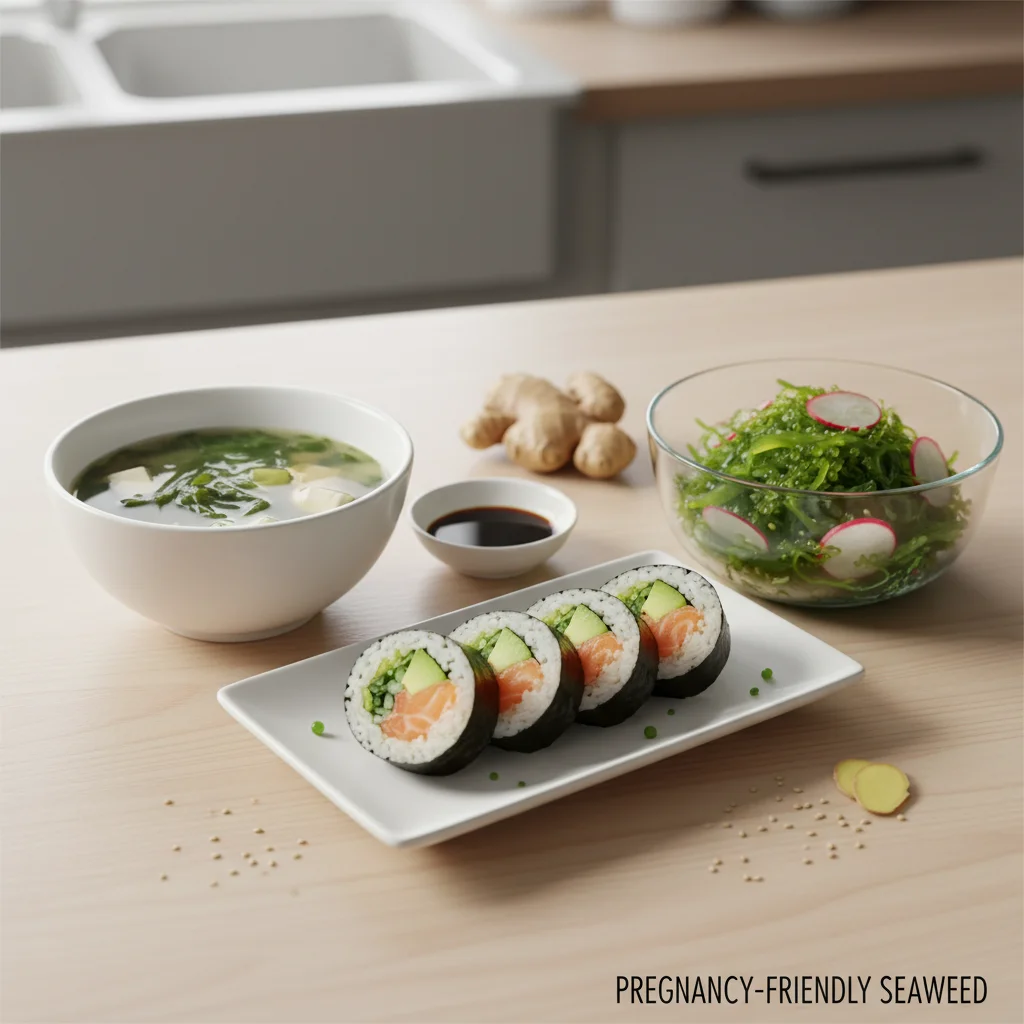
Healthy Seaweed Recipe Ideas for Pregnancy
Here are two simple, safe ways to incorporate seaweed:
1. Nori Wrap Snack: Spread a small sheet of nori with avocado mash, add some cucumber sticks and a few slices of cooked chicken or tofu, roll it up, and enjoy.
2. Miso Soup with Wakame: Prepare a simple miso soup using pasteurized miso paste and add a small pinch (about 1 tsp) of dried wakame. It’s a soothing, nutrient-rich option.
The Bottom Line
Yes, you can enjoy seaweed while pregnant, but it requires a cautious approach. Stick to small, occasional servings of safer varieties like nori and wakame, and always prioritize a balanced diet. The nutrients it offers are beneficial, but the risks of overconsumption are real. When in doubt, talk to your healthcare provider. For other dietary questions during pregnancy, you might find our guide on the nutritional value of graham crackers or the benefits of peppermint tea helpful for managing cravings and digestion.