
Can Pregnant Women Eat Shrimp? Guide
Can Pregnant Women Eat Shrimp? A Complete Safety & Nutrition Guide
Navigating dietary dos and don’ts during pregnancy can feel overwhelming. You’re constantly weighing cravings against caution, especially with seafood. A common question many expectant mothers have is: can pregnant women eat shrimp? The short answer is yes, but with critical safety precautions. This guide will walk you through everything you need to know about enjoying shrimp safely while pregnant, covering its benefits, risks, and proper preparation.
Is Shrimp Safe to Eat During Pregnancy?
Yes, shrimp is generally considered safe and is even recommended as a good choice of seafood for pregnant women by major health authorities. The primary concern with seafood during pregnancy revolves around mercury content. Fortunately, shrimp is classified as a low-mercury fish. Consequently, it poses a much lower risk compared to high-mercury fish like swordfish, king mackerel, or tilefish.
However, safety is not solely about mercury. The paramount rule is that all shrimp must be cooked thoroughly to an internal temperature of 145°F (63°C) to eliminate harmful bacteria and viruses like Listeria, Salmonella, and Vibrio, which can cause serious foodborne illnesses. Therefore, raw or undercooked shrimp (such as in sushi, ceviche, or lightly seared dishes) should be strictly avoided during pregnancy.
Key Safety Guidelines for Eating Shrimp While Pregnant
To minimize any risk, adhere to these essential guidelines:
- Always Cook Thoroughly: Shrimp should be cooked until opaque and pearly white throughout. The flesh should be firm.
- Avoid Raw Varieties: Steer clear of raw shrimp, including in sushi, sashimi, and cold seafood salads of questionable freshness.
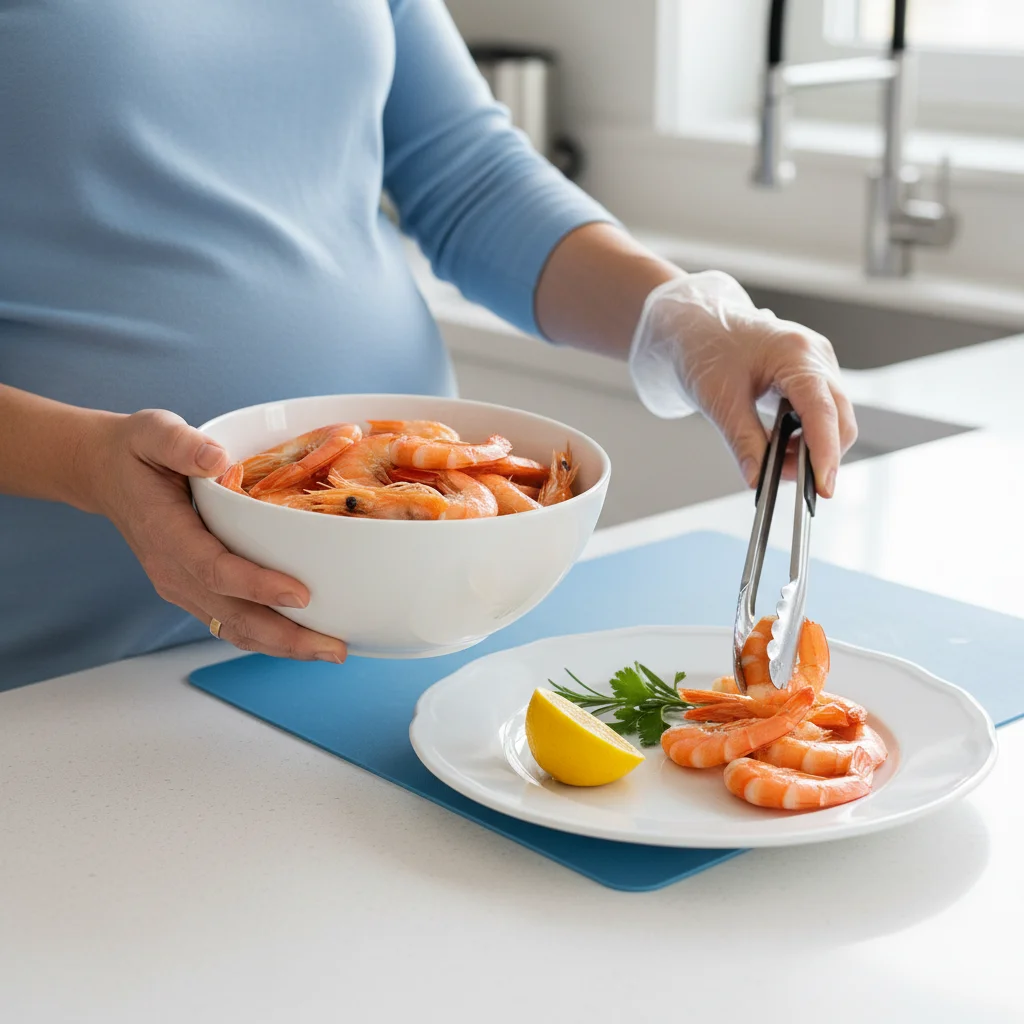
- Practice Proper Handling: Prevent cross-contamination by using separate cutting boards and utensils for raw shrimp, and wash hands and surfaces thoroughly.
- Mind Your Source: Purchase shrimp from reputable suppliers. When possible, check for sustainability certifications.
- Follow Serving Recommendations: The U.S. Food and Drug Administration (FDA) recommends pregnant women eat 2-3 servings (8-12 ounces total) of low-mercury seafood per week.
Nutritional Benefits of Shrimp for Pregnancy
When prepared safely, shrimp is a nutritional powerhouse that can significantly benefit both maternal and fetal health. It is an excellent source of several key nutrients required during pregnancy.
| Nutrient | Benefit for Pregnancy | Amount in a 3-oz (85g) Serving of Cooked Shrimp |
|---|---|---|
| Protein | Essential for the growth of fetal tissue, including the brain. Also supports breast and uterine tissue growth in the mother. | ~20 grams |
| Iodine | Crucial for the baby’s brain development and for regulating the mother’s thyroid function. | ~35 mcg (approx. 23% of RDA) |
| Selenium | A powerful antioxidant that supports the immune system and aids in thyroid hormone metabolism. | ~33 mcg (approx. 60% of RDA) |
| Vitamin B12 | Vital for forming red blood cells and maintaining healthy nerve function. | ~1.4 mcg (approx. 58% of RDA) |
| Iron | Helps form hemoglobin to prevent anemia and supports the increased blood volume in pregnancy. | ~0.3 mg |
| Omega-3 Fatty Acids (DHA) | Critical for the development of the baby’s brain, nervous system, and eyes. | ~267 mg |
Moreover, shrimp is low in calories and saturated fat, making it a lean, high-quality protein choice. Its iodine content is particularly noteworthy, as iodine deficiency during pregnancy can lead to developmental issues. For more on balancing your diet with other powerful nutrients, explore our guide on the best powder supplements for gut health, which can support overall digestive wellness during this sensitive time.
Potential Risks and How to Mitigate Them
Understanding the risks allows you to manage them effectively. The main hazards associated with eating shrimp during pregnancy are:
- Foodborne Illness: As mentioned, raw or undercooked shellfish can harbor dangerous pathogens. Because proper cooking kills these organisms, it is your first and most important line of defense.
- Allergies: If you have a known shellfish allergy, you must avoid shrimp entirely during pregnancy. Introducing a new allergen is not recommended.
- Cholesterol Content: Shrimp is relatively high in dietary cholesterol. However, for most people, dietary cholesterol has a minimal impact on blood cholesterol levels compared to saturated and trans fats. Nevertheless, if you have a specific condition like gestational hypercholesterolemia, consult your doctor.
- Environmental Contaminants: To minimize exposure to other potential pollutants, vary your protein sources and choose shrimp from cleaner waters when information is available.
How to Safely Prepare and Cook Shrimp
Following safe preparation methods is non-negotiable. Here is a step-by-step approach:
- Purchase: Buy fresh shrimp that smells mild and clean, or frozen shrimp from a trusted brand.
- Thaw: If frozen, thaw in the refrigerator overnight, under cold running water, or in the microwave using the “defrost” setting, cooking immediately after.
- Clean: Runder cold water and pat dry. Devein if preferred.
- Cook: Use reliable methods like boiling, steaming, grilling, baking, or sautéing. Cook until the internal temperature reaches 145°F (63°C) and the shrimp is fully opaque.
- Serve: Consume immediately. Do not leave cooked shrimp at room temperature for more than two hours.
Frequently Asked Questions (FAQs)
Can I eat fried shrimp while pregnant?
Yes, as long as the shrimp is cooked thoroughly before or during the frying process. Be mindful that fried foods are higher in calories and unhealthy fats, so enjoy them in moderation as part of a balanced diet.
Are shrimp cocktails safe during pregnancy?
Pre-cooked, chilled shrimp used in shrimp cocktail is safe if it has been handled and refrigerated properly after cooking. However, if you are unsure about its storage or handling at a restaurant or store, it is safer to avoid it.
What other seafood is safe during pregnancy?
Other low-mercury, safe options include salmon (also high in omega-3s), cod, catfish, sardines, tilapia, and canned light tuna. The FDA provides a helpful chart on best choices, good choices, and choices to avoid.
Can eating shrimp help with my baby’s brain development?
Absolutely. The iodine, omega-3 fatty acids (particularly DHA), and protein in shrimp all contribute significantly to healthy fetal brain and nervous system development.
Conclusion: Enjoy Shrimp Safely
In summary, shrimp is a safe, nutritious, and beneficial food to include in your pregnancy diet when handled and cooked correctly. Because it is low in mercury and rich in protein, iodine, and other vital nutrients, it can support your health and your baby’s development.
Therefore, you can confidently enjoy up to 2-3 servings per week of thoroughly cooked shrimp. However, always prioritize proper cooking and sourcing, and when in doubt, consult your healthcare provider for personalized advice. For other health considerations during this time, you might find our article on effective sore throat remedies useful for managing common pregnancy discomforts.