
Cane vs. Beet Sugar Differences
Cane Sugar vs. Beet Sugar: What’s the Real Difference?
When you reach for the white sugar at the grocery store, you probably don’t give its source a second thought. However, the two primary sources of this common sweetener—sugarcane and sugar beets—are quite distinct. Consequently, understanding the differences between cane sugar and beet sugar can influence your cooking, your health, and even your ethical choices. This guide will break down everything from their origins to their final uses on your table.
What Are Cane Sugar and Beet Sugar?
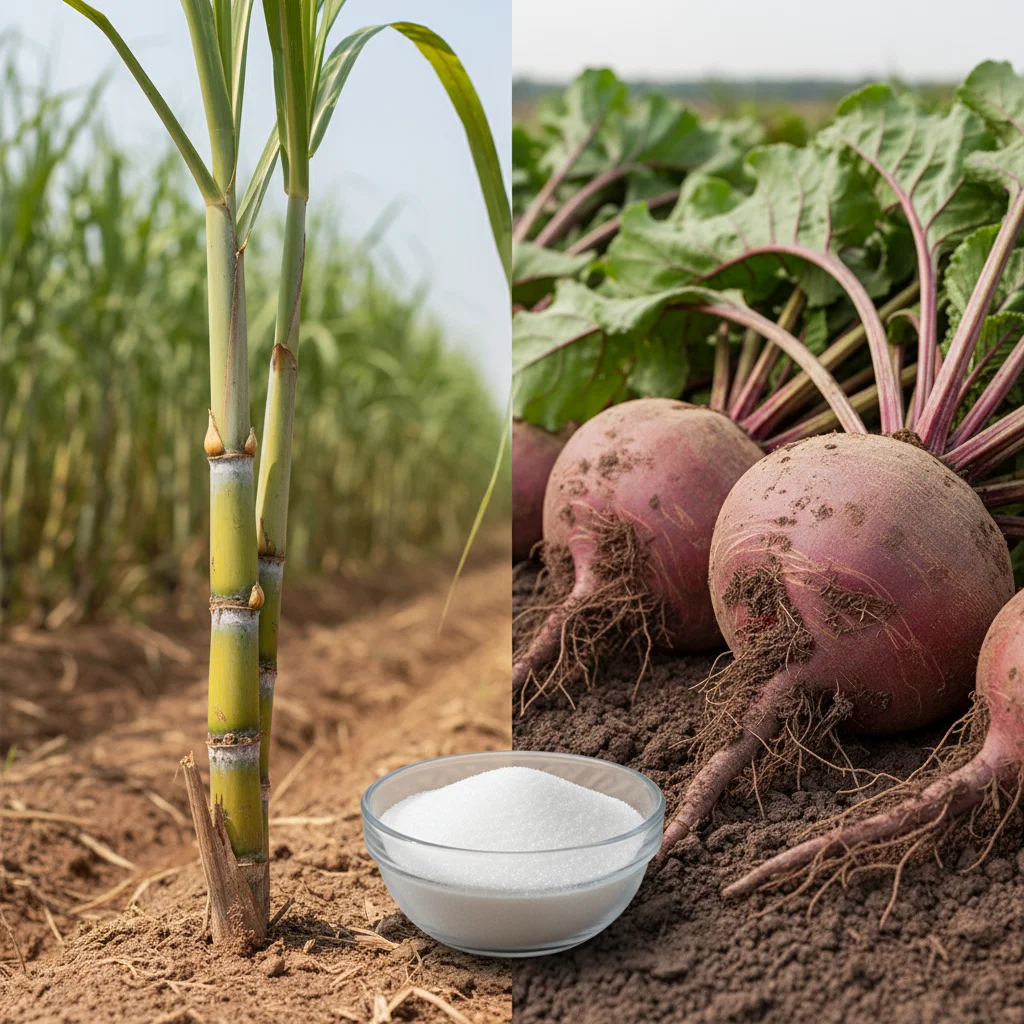
Firstly, it’s essential to understand where these sugars come from. Cane sugar is derived from the sugarcane plant, a tall perennial grass grown in tropical and subtropical climates like Brazil, India, and Thailand. The juice is extracted, purified, and crystallized.
Beet sugar, on the other hand, comes from the sugar beet plant, a root crop resembling a large, pale parsnip. It is predominantly cultivated in temperate regions such as the European Union, Russia, and the United States. The sugar is extracted through a diffusion process after slicing the beets.
Nutritional and Chemical Comparison
From a pure nutritional standpoint, refined white cane sugar and refined white beet sugar are virtually identical. They are both 99.95% sucrose, providing about 4 calories per gram. The U.S. Food and Drug Administration (FDA) considers them nutritionally equivalent. However, the minor differences lie in their production and trace components, which can affect taste and performance in specific applications.
Here is a comparative breakdown:
| Characteristic | Cane Sugar | Beet Sugar |
|---|---|---|
| Primary Source | Sugarcane stalk | Sugar beet root |
| Common Growing Regions | Tropical (Brazil, India) | Temperate (EU, USA, Russia) |
| Refined Product | 99.95% Sucrose | 99.95% Sucrose |
| Trace Mineral Profile | May contain traces of molasses minerals | Typically has minimal mineral traces |
| Common Labeling | Often specified as “cane sugar” | Often simply labeled “sugar” or “beet sugar” |
| Vegan-Friendly Status | Often processed with bone char (non-vegan)* | Rarely uses bone char (typically vegan) |
Note: The bone char filtration used in some* cane sugar refining is a key concern for those following a strict vegan lifestyle. If this is important to you, seeking out organic or specifically labeled vegan cane sugar is crucial. For more on specialized diets, you can explore our guide to 9 Vegan Keto Diet Plans.
Taste, Baking, and Culinary Uses
While the refined sugars are chemically the same, many bakers and chefs report subtle differences in behavior and flavor. This is largely due to the different impurities and trace compounds that remain after processing.
- Cane Sugar: Often praised for a more neutral, clean sweetness with a hint of caramel or molasses, especially in less refined varieties like turbinado. Many professional bakers prefer it for caramelization in crème brûlée or for creating a stable meringue.
- Beet Sugar: Can sometimes have a slight earthy or burnt-sugar aftertaste when tasted in isolation, although this is hotly debated. More importantly, it may behave differently in certain recipes, like caramel or frosting, where it can sometimes foam more or crystallize differently.
Therefore, for general sweetening of coffee or tea, they are interchangeable. However, for precise baking science, you may get more consistent results sticking with one type throughout a recipe.
Health and Dietary Considerations
Since their core nutritional profile is identical, the health impacts of consuming refined sucrose from either source are the same. Overconsumption is linked to health issues like obesity, type 2 diabetes, and heart disease. Moderating intake of all added sugars is vital.
Moreover, if you are monitoring your blood sugar, both sugars will have an identical glycemic impact. For a deeper understanding of managing glucose levels, consider reading our comprehensive Blood Sugar Levels Guide.
The more significant health and ethical distinction returns to the processing aids, like bone char. Additionally, the environmental and social impacts of farming (pesticide use, water consumption, labor practices) can differ greatly between the two industries, which may influence consumer choice.
How to Choose: A Practical Guide
So, which one should you buy? Here’s a simple decision framework:
- For Everyday Use: If you just need a sweetener and the label doesn’t specify, it likely contains beet sugar (especially in the US and Europe). They are functionally the same.
- For Precision Baking: If a recipe specifically calls for “cane sugar,” use it. Many bakers find it more reliable. When in doubt, cane sugar is a safe default for all baking.
- For Vegan Diets: Choose organic beet sugar or organic cane sugar, as both are processed without bone char. Beet sugar is more commonly vegan by default in many regions.
- For Flavor Depth: Opt for less refined cane sugars like turbinado, demerara, or muscovado, which retain more molasses and minerals.
The Bottom Line
Cane sugar and beet sugar, in their common refined white form, are nutritionally and calorically identical. The primary differences are agricultural, geographical, and procedural. Your choice may ultimately hinge on baking performance, ethical processing concerns, or simply personal preference. Regardless of the source, the most important health strategy is to consume all added sugars mindfully and in moderation. By understanding these subtle distinctions, you can make more informed choices in the kitchen and at the store.

