
Chickweed Tea Benefits & How to Make
Chickweed Tea: A Comprehensive Guide to This Herbal Infusion
For centuries, foragers and herbalists have turned to the humble chickweed plant, a common garden “weed,” for its purported wellness properties. When steeped into a tea, this unassuming herb offers a mild, slightly grassy flavor and a host of traditional uses. This guide delves into everything you need to know about chickweed tea, from its potential benefits to the practical steps for brewing your own cup.
What is Chickweed?
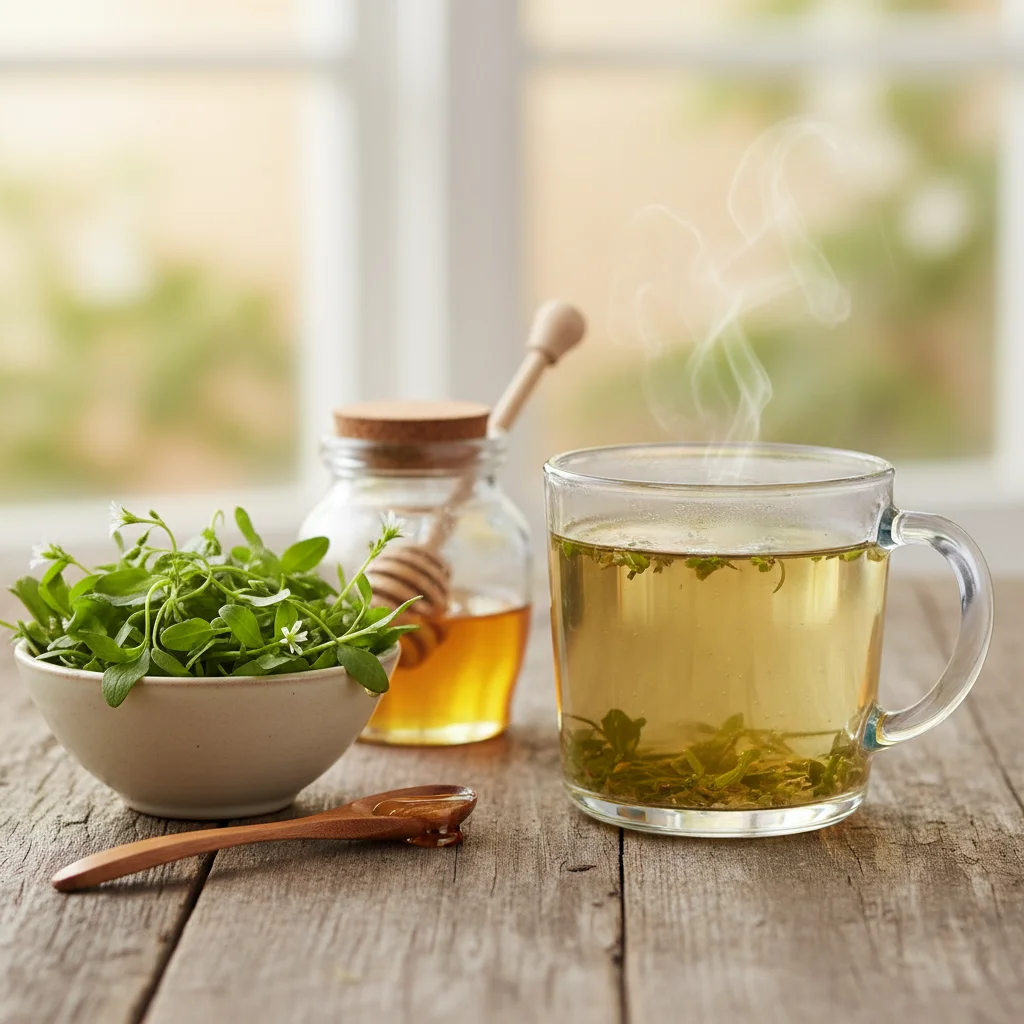
Chickweed (Stellaria media) is a low-growing, leafy annual plant found worldwide. It’s easily recognizable by its small, star-shaped white flowers and a single line of fine hairs running along its stem. Importantly, it has a long history in folk medicine across various cultures, often used both internally as a tea and externally in poultices and salves.
Potential Benefits and Traditional Uses of Chickweed Tea
While robust clinical trials on chickweed tea are limited, its traditional applications are well-documented. Many of these uses are attributed to its nutritional profile, which includes vitamins (like C and B-complex), minerals (such as magnesium and potassium), and saponins—compounds known for their soothing properties.
1. Skin Health and Irritation
Traditionally, chickweed is celebrated as a skin-soothing herb. When consumed as a tea, its anti-inflammatory properties are thought to work from the inside out. Consequently, it has been used to support the body’s response to conditions like eczema, psoriasis, and general itchiness. For direct topical relief, the cooled tea can also be applied as a compress.
2. Digestive Support
Chickweed tea has been a go-to remedy for mild digestive discomfort. Its gentle, demulcent nature is believed to help soothe the mucous membranes of the digestive tract. Therefore, a cup after meals may aid in calming occasional bloating or indigestion.
3. Respiratory Comfort
In herbal practice, chickweed is sometimes considered an expectorant. This means the tea might help loosen mucus, making it a potential supportive drink during times of seasonal respiratory challenges. Moreover, its soothing qualities could help calm a tickly throat.
4. Nutritional Support
As a mild diuretic, chickweed tea may support the body’s natural detoxification processes by promoting healthy kidney function and fluid balance. Additionally, its vitamin and mineral content offers a gentle nutritional boost.
Common Traditional Uses at a Glance:
| Use Case | How It’s Thought to Work | Method of Use |
|---|---|---|
| Skin Soothing | Anti-inflammatory saponins may calm irritation. | Internal tea consumption & external compresses. |
| Digestive Aid | Demulcent properties may coat and soothe the gut lining. | Drink 1 cup after meals. |
| Respiratory Relief | May act as an expectorant to loosen mucus. | Drink as a warm tea, inhale steam. |
| Mild Diuretic | Supports kidney function and fluid elimination. | Drink 1-2 cups daily. |
| Weight Management Support | Often included in “detox” blends for its nutrient and fluid-balance support. | Drink as part of a balanced diet. |
How to Prepare Chickweed Tea
Brewing chickweed tea is a simple process, whether you use fresh foraged leaves or dried herb.
Ingredients & Tools:
- 1-2 teaspoons of dried chickweed herb OR a small handful of fresh, clean chickweed.
- 1 cup (8 oz) of freshly boiled water.
- A mug or teapot.
- A strainer (if using loose herb).
Step-by-Step Instructions:
- Prepare the Herb: If using fresh chickweed, ensure it is thoroughly washed to remove any dirt. Chop it roughly to help release its compounds.
- Steep: Place the chickweed in your cup or pot. Pour the freshly boiled water over it.
- Cover and Wait: Cover the cup to prevent the volatile oils from escaping. Let it steep for 5 to 10 minutes. A longer steep yields a stronger, more potent tea.
- Strain and Enjoy: Strain the tea to remove the plant material. You can drink it plain or add a touch of honey or lemon for flavor.
Important Safety and Side Effects
While generally considered safe for most people in culinary amounts, caution is advised.
* Pregnancy and Nursing: It is best to avoid chickweed tea during pregnancy and breastfeeding due to a lack of safety data.
* Allergies: Those allergic to plants in the Caryophyllaceae family should avoid it.
* Medication Interactions: Because of its potential diuretic effect, it could interact with certain medications, like lithium or diuretic drugs. Always consult your healthcare provider before using herbal remedies regularly, especially if you have underlying health conditions or are on medication.
* Sourcing: If foraging, correct identification is absolutely critical to avoid poisonous look-alikes. When in doubt, purchase from a reputable herb supplier.
Frequently Asked Questions (FAQ)
Q: Can I drink chickweed tea every day?
A: For short-term use (e.g., 1-2 weeks), daily consumption in moderation (1-2 cups) is likely fine for most. However, for long-term daily use, it is prudent to consult a healthcare professional.
Q: Where can I buy chickweed for tea?
A: You can find dried chickweed at health food stores, online herbal retailers, or sometimes in the bulk herb section of natural grocery stores.
Q: Does chickweed tea help with weight loss?
A: There is no scientific evidence that chickweed tea directly causes weight loss. It is sometimes included in cleansing blends for its nutrient content and mild diuretic effect, which may lead to temporary water weight reduction, not fat loss.
Q: What does it taste like?
A: Chickweed tea has a mild, fresh, slightly grassy or “green” flavor, similar to other leafy herbal teas. It is not bitter.
The Bottom Line
Chickweed tea is a gentle, traditional herbal infusion with a history of use for skin, digestive, and respiratory comfort. While it should not replace medical treatment, it can be a pleasant addition to a wellness routine. As with any herbal remedy, responsible sourcing and awareness of potential interactions are key.
For other supportive herbal teas, explore our guide on the best tea for sore throat. Furthermore, supporting overall health with a nutrient-rich diet is foundational; for instance, understanding the nutritional value of graham crackers can be part of making informed dietary choices.
Disclaimer: This article is for informational purposes only and is not a substitute for professional medical advice, diagnosis, or treatment. Always seek the advice of your physician or other qualified health provider with any questions you may have regarding a medical condition.

