
Tea Tree Oil Cleansing Guide- FAQ & Guide
The Ultimate Guide to Cleansing Tea Tree Oil: Benefits, Uses & Recipes
Tea tree oil, derived from the leaves of the Melaleuca alternifolia plant native to Australia, has been a cornerstone of natural wellness for centuries. Its potent cleansing and purifying properties make it a versatile staple in modern skincare, haircare, and home cleaning routines. This guide will explore the science-backed benefits of cleansing tea tree oil, provide practical methods for use, and highlight crucial safety tips to ensure you harness its power effectively.
What Makes Tea Tree Oil a Powerful Cleansing Agent?
The primary reason tea tree oil is so effective for cleansing is its complex chemical composition. It contains over 100 different compounds, but the most significant for its antimicrobial activity are terpinen-4-ol and 1,8-cineole. Terpinen-4-ol, in particular, is credited with the oil’s ability to disrupt the cell walls of bacteria, viruses, and fungi, thereby neutralizing them.
Consequently, this essential oil is not just a single-purpose remedy; it’s a broad-spectrum cleansing agent. Moreover, its natural anti-inflammatory properties help soothe skin while it cleanses, making it suitable for addressing issues where impurity and irritation coexist.
Top Benefits and Uses of Cleansing Tea Tree Oil
Integrating tea tree oil into your regimen can offer a multitude of benefits. Here’s a breakdown of its most popular and effective applications.
For Skin Cleansing and Care
Tea tree oil is a champion for clarifying the skin. Its ability to combat the bacteria linked to acne makes it a go-to for many dealing with blemishes.
- Acne Treatment: Diluted tea tree oil can reduce the number and severity of acne lesions. A study published in the Medical Journal of Australia found a 5% tea tree oil solution was as effective as 5% benzoyl peroxide for treating acne, albeit with fewer side effects like dryness and irritation.
- Cleansing Oily Skin: It helps regulate sebum production, leading to a less greasy complexion.
- Minor Wound Care: Its antiseptic properties make it useful for cleaning minor cuts, scrapes, and insect bites to help prevent infection. For more on natural first-aid, explore our guide to effective sore throat remedies.
For Scalp and Hair Health
A congested, flaky scalp can benefit greatly from tea tree oil’s deep-cleansing action.
- Dandruff and Seborrheic Dermatitis: By targeting the yeast Malassezia that can contribute to dandruff, tea tree oil shampoos can significantly reduce itchiness and flaking.
- Scalp Purification: It helps unclog hair follicles and remove product buildup, promoting a healthier environment for hair growth.
For Home and Surface Cleaning
Because it’s a natural disinfectant, tea tree oil is an excellent, non-toxic alternative to harsh chemical cleaners.
- All-Purpose Cleaner: Mixed with water and vinegar, it creates a powerful spray for countertops, sinks, and doorknobs.
- Mold and Mildew Inhibitor: Its antifungal properties make it effective for cleaning mold-prone areas like showers and window sills.
- Laundry Freshener: Adding a few drops to your wash can disinfect clothes and eliminate odors.
How to Use Tea Tree Oil Safely and Effectively: A Practical Guide
Crucial Safety Note: Tea tree oil is potent and must almost always be diluted before topical application to avoid skin irritation, allergic reactions, or chemical burns. Never ingest tea tree oil.
Here is a quick-reference table for safe dilution ratios and uses:
| Use Case | Dilution Ratio (Tea Tree to Carrier) | Method & Notes |
|---|---|---|
| Spot Treatment for Acne | 1 drop to 3-4 drops carrier oil (like jojoba or squalane) | Apply directly to blemish with a cotton swab. |
| Facial Cleanser or Toner | 3-5 drops per 1 oz (30 mL) of carrier (toner, aloe vera gel) | Mix into your product or add to witch hazel. |
| Scalp Treatment | 10-15 drops per 1 oz of shampoo or carrier oil | Massage into scalp, leave for 5 mins, then rinse. |
| Body Wash or Bath | 5-10 drops per 1 oz of unscented wash or 1 cup Epsom salts | Disperse in bath water or mix with gel before applying. |
| All-Purpose Cleaner | 20 drops per 1 cup of water + 1/2 cup white vinegar | Shake well in a spray bottle before each use. |
Patch Test First: Always perform a patch test 24 hours before wider use. Apply a small amount of your diluted mixture to the inside of your elbow. If redness, itching, or swelling occurs, discontinue use.
DIY Cleansing Tea Tree Oil Recipes
1. Clarifying Facial Cleanser
- 1 oz (30 mL) gentle, unscented castile soap or face wash
- 4 drops tea tree oil
- 2 drops lavender oil (for added soothing)
- Mix in a small bottle. Use daily, avoiding the eye area.
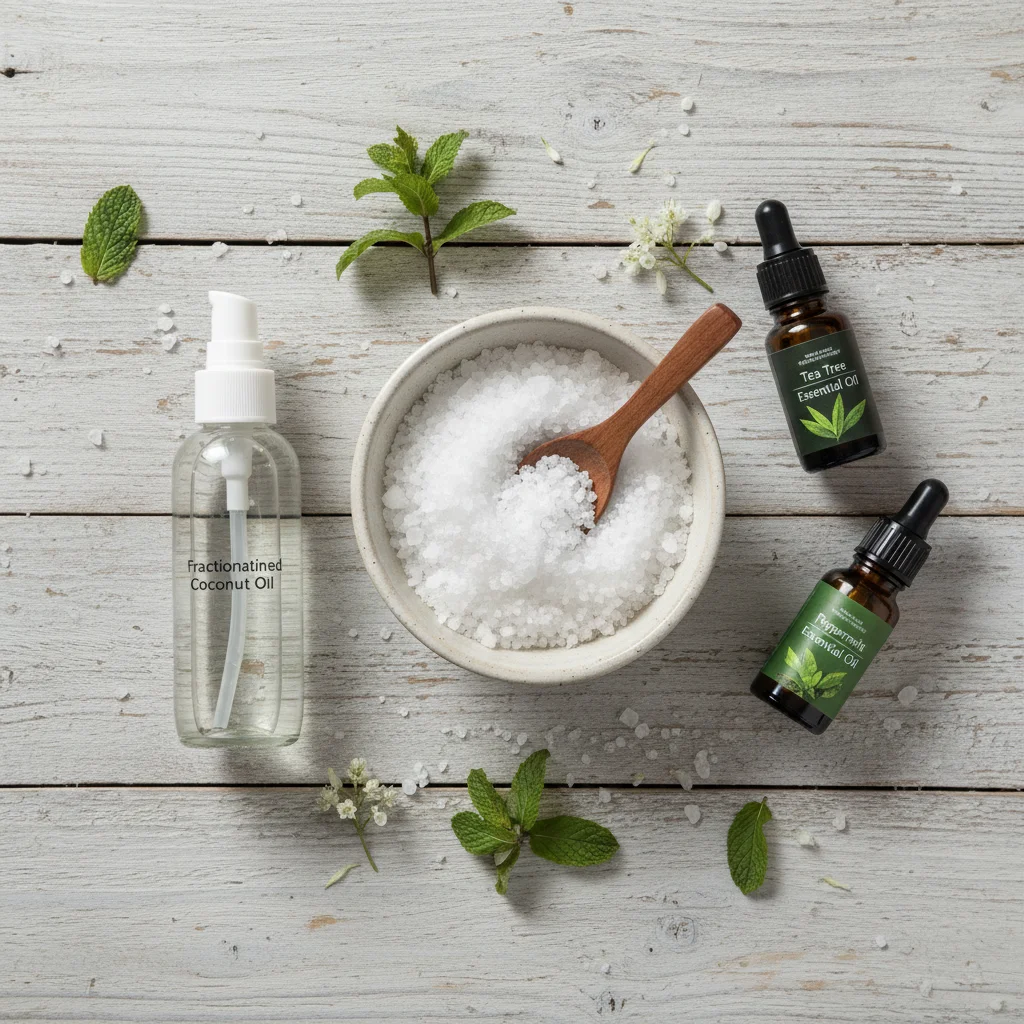
2. Invigorating Scalp Scrub
- 2 tbsp fine sea salt or sugar
- 1 tbsp coconut or olive oil
- 5 drops tea tree oil
- 3 drops peppermint oil (for a cooling sensation)
- Mix in a bowl. In the shower, gently massage onto wet scalp for 2-3 minutes, then shampoo thoroughly.
3. Natural Surface Disinfectant Spray
- 1 cup distilled water
- 1 cup white vinegar
- 20 drops tea tree oil
- 10 drops lemon essential oil (for a fresh scent)
- Combine all ingredients in a 16 oz glass spray bottle. Shake vigorously before each use to emulsify the oils.
Potential Side Effects and Precautions
While generally safe when used correctly, tea tree oil requires respect. Firstly, it can cause skin irritation and contact dermatitis, especially in those with sensitive skin. Therefore, proper dilution is non-negotiable. Secondly, it is toxic if swallowed and can cause serious symptoms; keep it out of reach of children and pets. Additionally, it may cause hormonal effects in pre-pubescent boys and should be avoided in that context. If you have any underlying health conditions, consult a healthcare professional before use.
Frequently Asked Questions (FAQs) – Cleansing Tea Tree Oil
1. What is cleansing tea tree oil?
Cleansing tea tree oil is a skincare or haircare product made with tea tree oil, known for its purifying and refreshing properties.
2. What is tea tree oil used for?
Tea tree oil is commonly used for cleansing skin, reducing excess oil, supporting acne care, and maintaining scalp hygiene.
3. Is cleansing tea tree oil good for acne-prone skin?
Yes, many people use tea tree oil products for acne-prone skin because of their cleansing and clarifying benefits.
4. Can tea tree oil help oily skin?
Yes, tea tree oil may help reduce the appearance of oily skin and leave skin feeling fresh.
5. How do you use cleansing tea tree oil on the face?
Usually it is used in diluted form or in face wash products. Apply gently, avoid eyes, then rinse if it is a cleanser.
6. Can I apply pure tea tree oil directly to skin?
Pure tea tree oil may irritate skin. It is generally better to dilute it with a carrier oil or use formulated products.
7. Is cleansing tea tree oil safe for sensitive skin?
Sensitive skin users should patch test first, as tea tree oil may cause irritation in some people.
8. Can tea tree oil be used for scalp cleansing?
Yes, tea tree oil shampoos and scalp products are popular for refreshing the scalp and reducing buildup.
9. Does cleansing tea tree oil remove makeup?
Some cleansing products with tea tree oil can help remove light makeup, but dedicated makeup removers may work better.
10. How often can I use tea tree oil cleanser?
It depends on your skin type and product strength. Many people use it once daily or a few times weekly.
11. Can tea tree oil dry out skin?
Yes, overuse may cause dryness or tightness, especially on dry or sensitive skin.
12. What are the benefits of cleansing tea tree oil?
Common benefits include refreshed skin, cleaner-feeling pores, reduced oiliness, and a clearer-looking complexion.
13. Does tea tree oil help with pimples?
Tea tree oil is widely used in spot treatments and cleansers for blemish-prone skin.
14. What should I avoid when using tea tree oil?
Avoid contact with eyes, broken skin, swallowing it, and using too much undiluted oil.
15. How do I choose the best cleansing tea tree oil product?
Look for reputable brands, suitable concentration, skin-type compatibility, and formulas without harsh irritants.
The Bottom Line: Is Cleansing Tea Tree Oil Right for You?
In conclusion, cleansing tea tree oil is a remarkably versatile and powerful natural remedy. From tackling stubborn blemishes to purifying your home without harsh chemicals, its benefits are well-supported. However, the key to success lies in diligent dilution and adherence to safety guidelines. By incorporating it mindfully into your routines, you can harness the cleansing power of this ancient botanical for a healthier, fresher lifestyle.
Looking for other natural wellness tips? Discover the soothing benefits of different herbal infusions in our guide to the best tea for a sore throat.
For further scientific reading on essential oils, you can visit reputable sources like the National Institutes of Health (NIH) database.

