
Craft Plastic Guide: Types, Uses, and Creative Projects
The Ultimate Guide to Craft Plastic: Unleash Your Creativity
Craft plastic is a versatile and exciting medium that has revolutionized the do-it-yourself world. From jewelry and home decor to intricate models and functional art, these synthetic materials offer durability, clarity, and endless creative potential. This guide will explore the most popular types, their practical uses, and provide inspiration for your next project.
What is Craft Plastic? Understanding the Basics
Craft plastic refers to a variety of synthetic polymer materials designed for manual creation and artistic expression. Unlike industrial plastics, these are formulated to be cut, shaped, melted, and molded with relative ease using common tools.
Their popularity stems from their accessibility and the professional-looking results they can yield. Consequently, they have become a staple in makerspaces, classrooms, and home studios.
Popular Types of Craft Plastic for DIY Projects
Choosing the right material is the first critical step. Here’s a breakdown of the most common craft plastics you’ll encounter.
| Type of Craft Plastic | Key Characteristics | Common Uses | Skill Level |
|---|---|---|---|
| Epoxy Resin | Two-part liquid that cures to a hard, glass-like finish; can be colored and embedded with objects. | Jewelry, coasters, river tables, encapsulating items. | Intermediate |
| Acrylic (Plexiglass) | Rigid, transparent sheets available in many colors; can be cut, drilled, and polished. | Signage, model building, display cases, decorative shelves. | Beginner to Intermediate |
| Polymer Clay | Moldable, oven-bakeable clay that hardens permanently; available in countless colors. | Sculptures, figurines, beads, detailed miniature food. | Beginner |
| Shrink Plastic | Thin sheets that shrink and thicken when heated, often to 1/3 of original size. | Charms, keychains, detailed jewelry, embellishments. | Beginner |
| Acetate/Vellum | Thin, flexible, transparent sheets. | Scrapbooking overlays, stencils, window clings, card making. | Beginner |
Creative Project Ideas to Get You Started
Now that you know the materials, it’s time for inspiration. Here are some engaging project ideas categorized by plastic type.
1. Epoxy Resin Creations
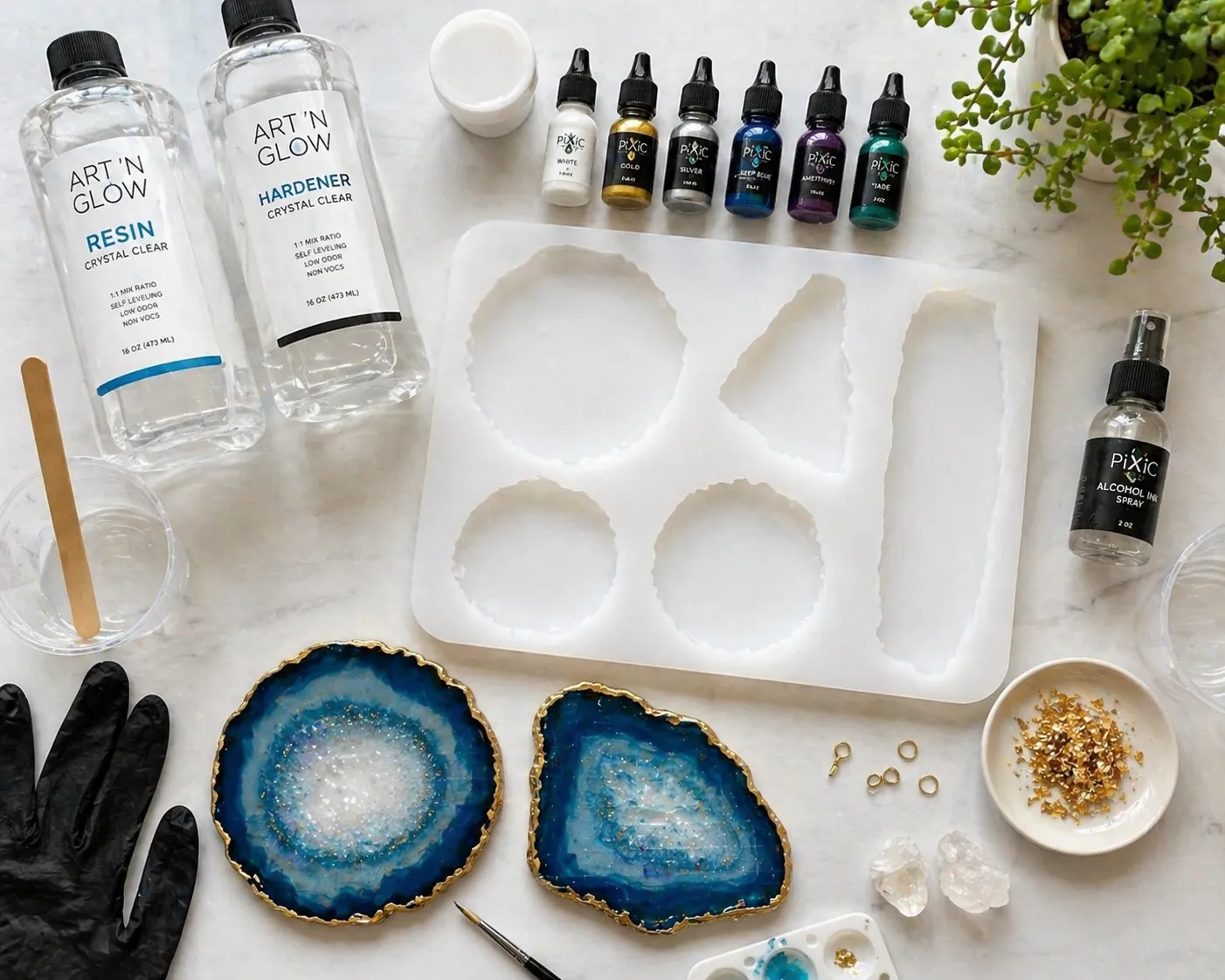
Resin crafting has exploded in popularity, largely because it allows for stunning, crystal-clear results. You can create custom jewelry by pouring resin into silicone molds, perhaps embedding dried flowers or glitter. For a larger statement piece, consider making a set of unique coasters. Moreover, if you’re feeling ambitious, a small resin craft kit is an excellent way to begin your journey with all the necessary components included.
2. Acrylic for Functional Art
Acrylic sheets are perfect for projects that require structure and clarity. You can build a modern photo frame or a sleek desktop organizer. Additionally, custom signage for your home or business is a fantastic application.
For tech enthusiasts, this skill can even complement other builds, like knowing how to build custom PC, where acrylic is often used for custom case windows and internal displays.
3. Polymer Clay for Detailed Sculpting
The versatility of polymer clay is truly remarkable. You can sculpt miniature botanicals, create custom buttons, or design one-of-a-kind earrings. Its blendability makes it ideal for achieving realistic effects, such as creating faux food items or intricate character models.
Safety First: Essential Tips for Crafting with Plastics
While crafting is fun, safety is paramount. Always work in a well-ventilated area, especially when using materials like epoxy resin that emit fumes during curing. Wear appropriate personal protective equipment, such as nitrile gloves and safety glasses. Furthermore, read and follow all manufacturer instructions meticulously.
Proper storage of materials away from children and pets is also a crucial step.
Frequently Asked Questions (FAQs) – Craft Plastic
1. What is craft plastic?
Craft plastic refers to plastic materials made for DIY projects, art, jewelry, decorations, and creative crafting.
2. What types of craft plastic are popular?
Common types include epoxy resin, acrylic sheets, polymer clay, shrink plastic, and acetate sheets.
3. What is craft plastic used for?
It is used for jewelry, keychains, signs, coasters, figurines, ornaments, scrapbooking, and home décor.
4. Is craft plastic good for beginners?
Yes, materials like shrink plastic, polymer clay, and acetate are beginner-friendly.
5. What is shrink plastic?
Shrink plastic is a thin sheet that shrinks and thickens when heated, often used for charms and keychains.
6. What is acrylic craft plastic?
Acrylic is a rigid plastic sheet often used for signs, organizers, display pieces, and model building.
7. Is resin considered craft plastic?
Yes, epoxy resin is a popular craft plastic used for glossy decorative and functional items.
8. Can kids use craft plastic?
Some types like shrink plastic can be used with supervision, while resin and cutting tools need adult handling.
9. Is craft plastic safe to use?
It can be safe when used properly with ventilation, gloves, and following product instructions.
10. What tools do I need for craft plastic?
Common tools include scissors, molds, heat tools, glue, sandpaper, paint, and protective gloves.
11. Can I paint craft plastic?
Yes, many craft plastics can be painted or colored depending on the material type.
12. Where can I buy craft plastic?
Craft plastic is available at hobby stores, art shops, and online marketplaces.
13. Can I sell crafts made from plastic?
Yes, handmade plastic crafts like jewelry, décor, and accessories are commonly sold.
14. Why is craft plastic popular?
It is durable, versatile, affordable, and allows professional-looking DIY results.
15. What is the best craft plastic for beginners?
Shrink plastic and polymer clay are among the easiest options for beginners to start with.
Where to Find Materials and Further Learning
Craft plastics are widely available at hobby stores, major online retailers, and specialty art suppliers. For beginners, starting with a project-specific kit is highly recommended, as it eliminates guesswork. To deepen your knowledge, consider exploring tutorials from reputable craft websites or community forums.
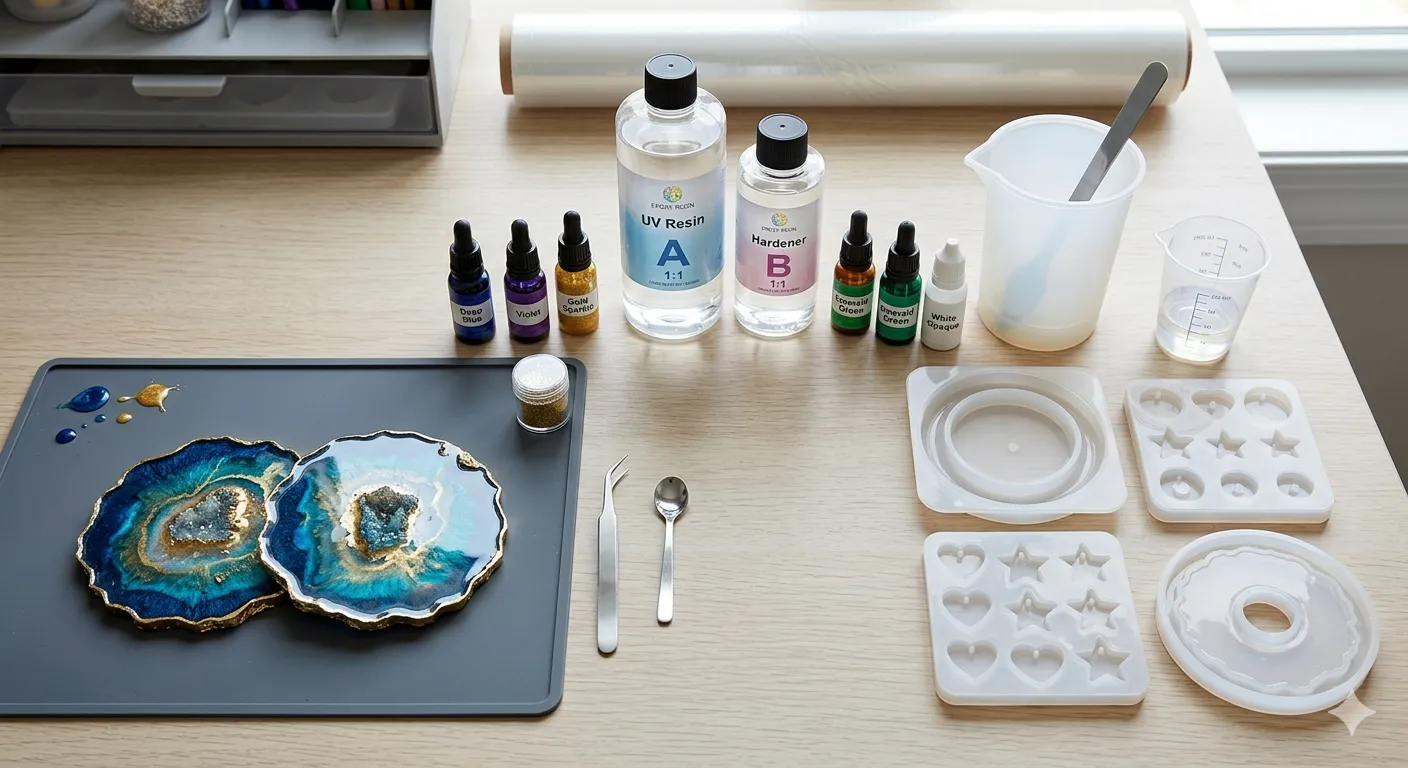
For instance, understanding material properties can be as nuanced as knowing the difference between MCT oil or coconut oil for health—similarly, knowing the difference between casting resin and coating resin is key for your project’s success. Additionally, the meticulous, detail-oriented nature of working with craft plastic shares a common thread with other precision hobbies, much like the care involved in selecting the best powder supplements for gut health.
In conclusion, the world of craft plastic is vast and inviting. By starting with the right material for your skill level and following safety guidelines, you can unlock a rewarding avenue for personal expression and create beautiful, lasting items. Therefore, gather your supplies, choose a project, and start crafting today!
Outbound Links for Further Reading:
* Learn more about the chemistry of polymers on Wikipedia.
* For health and safety guidelines related to chemical use in crafts, refer to resources from the National Institute of Environmental Health Sciences (NIEHS).