
Cycle Craft: Master Urban & Road Cycling
Cycle Craft: The Essential Guide to Savvy, Safe Cycling
Cycling is more than just pedaling; it’s a skill that blends awareness, technique, and confidence to navigate roads safely and efficiently. This comprehensive skill set is often called cycle craft. Mastering it transforms your ride from a simple commute or workout into a smooth, predictable, and secure journey. Consequently, understanding cycle craft is crucial for anyone who rides a bike, whether on busy city streets or quiet country lanes.
This guide will break down the core principles, helping you become a more proficient and assertive cyclist.
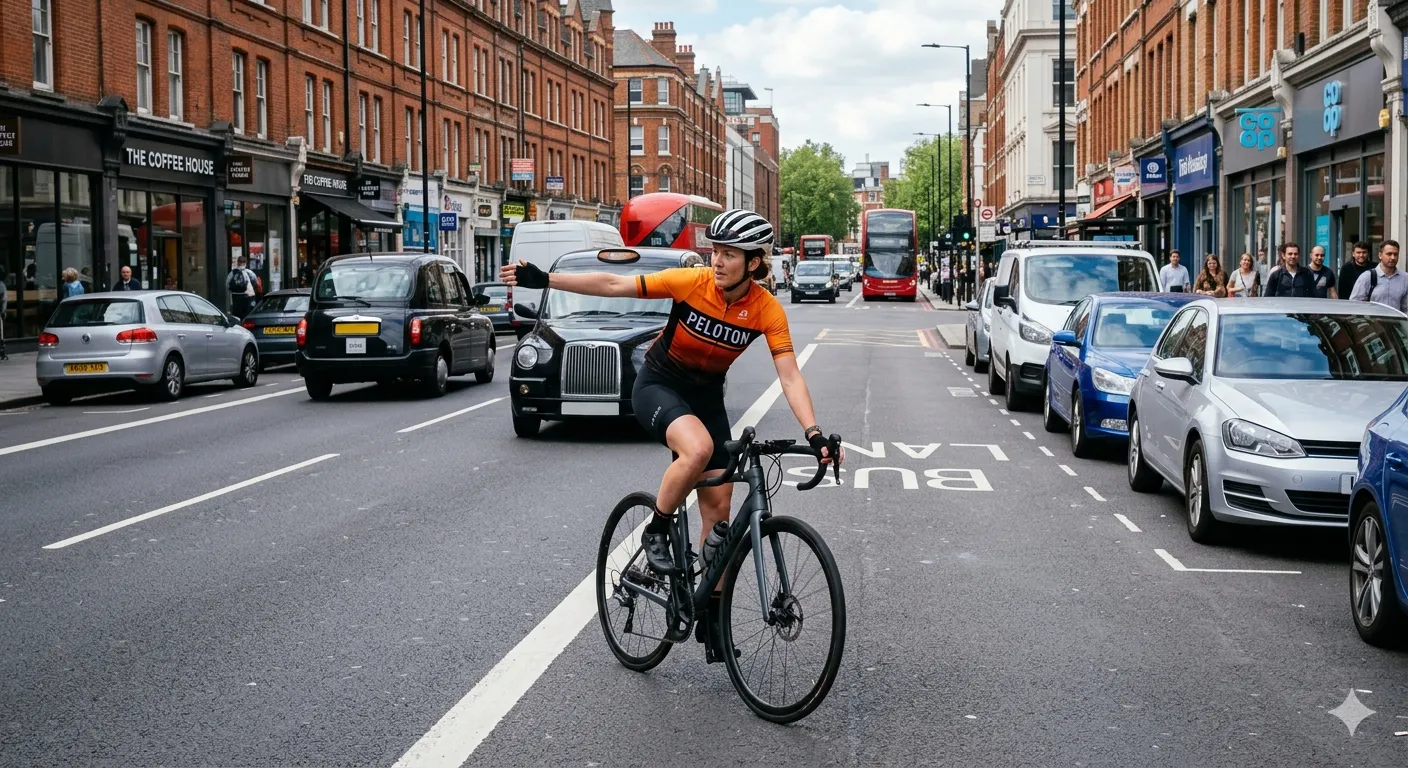
What is Cycle Craft? 🚲
Cycle craft is the systematic application of knowledge and skills to cycle safely and effectively in traffic. It’s about making yourself visible, communicating your intentions, and anticipating the actions of other road users. Fundamentally, it positions the cyclist as a legitimate and responsible operator of a vehicle, rather than a vulnerable obstacle.
The concept is championed by national cycling organizations and is often encapsulated in foundational guides like the UK’s Cyclecraft manual. The core philosophy is vehicular cycling—riding in a way that is clear, predictable, and in accordance with traffic laws.
The Five Core Principles of Expert Cycle Craft
To ride with true cycle craft, you must internalize five key principles. Moreover, these principles work together to create a defensive yet proactive riding style.
1. Position Yourself Correctly
Your road position is your primary tool for communication and safety. The default position is not in the gutter but roughly one meter (three feet) from the curb. This “primary position” makes you more visible to drivers, prevents dangerous close passes, and allows you to avoid drain covers and debris. You should move into a “secondary position” (closer to the curb) only when it is safe and when traffic behind you can pass with ample space.
2. Look, Signal, and Manoeuvre (LSM)
This is the golden routine for any change in direction or speed.
* LOOK over your shoulder to check your blind spot.
* SIGNAL your intention clearly with your arm.
* MANOEUVRE only once you are sure it is safe to do so.
Performing LSM consistently builds predictability, which is the bedrock of safety.
3. Master Hazard Awareness & Anticipation
Expert cyclists read the road far ahead. This involves scanning for potential hazards like parked cars (watch for opening doors), pedestrian crossings, junctions, and changing road surfaces. By anticipating these, you can adjust your speed and position early, avoiding sudden, dangerous movements. For instance, a forearm ache can sometimes stem from gripping the handlebars too tightly due to stress; relaxed, anticipatory riding can help prevent such tension.
4. Communicate and Make Eye Contact
Never assume a driver has seen you. Use clear hand signals for turning and stopping. At junctions, try to make eye contact with drivers to ensure mutual recognition. Using lights during the day (daytime running lights) can significantly enhance your visibility.
5. Choose the Best Route and Speed
Cycle craft begins before you even start pedaling. Plan your route using quieter streets, cycle lanes, or roads with lower speed limits where possible. Once riding, maintain a steady, consistent speed that is appropriate for the conditions. Erratic speeding up and slowing down can confuse drivers.
Essential Cycle Craft Techniques in Practice
Let’s apply these principles to common road scenarios.
| Scenario | Poor Practice | Cycle Craft Technique |
|---|---|---|
| Approaching a Junction | Hugging the curb, hoping traffic sees you. | Move to your primary position to increase visibility. Slow down, check for traffic, and be prepared to stop. |
| Passing Parked Cars | Riding close to the car doors. | Give a door’s width of space (at least 1 meter). If traffic is present, look, signal, and take the lane to pass safely. |
| Navigating Roundabouts | Staying on the outer edge. | Act like a vehicle. Take the lane appropriate for your exit, signal your direction, and hold your position confidently. |
| Riding in a Group | Bunching up or riding two-abreast unpredictably. | Ride in a predictable, single or double file as conditions allow. Communicate hazards (“hole!”) to riders behind. |
Advanced Considerations: Nutrition and Fitness
While cycle craft focuses on road skills, your physical readiness impacts your mental sharpness. Proper hydration and nutrition are key for sustained concentration on long rides. For example, understanding the best time to take amino acids can aid in recovery after a strenuous ride. Similarly, choosing the right fuel, like nuts that are keto-friendly, can be vital for cyclists following specific dietary plans to maintain energy levels.
Building Your Cycle Craft Confidence
Becoming proficient takes practice. Start by riding on quieter roads to rehearse your positioning and LSM routine. Consider taking a certified cycling skills course, often offered by local advocacy groups. Furthermore, regularly maintain your bike—brakes, tires, and lights—as mechanical failure is a hazard you can control.
Remember, cycle craft is not about confrontation; it’s about cooperation and clarity on the road. By riding proactively and predictably, you claim your legal space, earn respect from other road users, and dramatically increase your safety.
Additional Resources:
* For an authoritative look at traffic cycling principles, you can explore the concept of Vehicular Cycling on Wikipedia.
* The UK’s official The Highway Code provides legally-backed guidance for all road users, including cyclists.

