
Nendran: India’s Fat Banana Guide
The Fat Banana Variety from India: Your Guide to the Unique Nendran
When you think of a banana, you likely picture the long, slightly curved Cavendish variety found in supermarkets worldwide. However, the world of bananas is vast and diverse, particularly in India. One standout variety is often simply called the “fat banana” for its distinctive, robust shape. This is the Nendran banana, a culinary treasure and a staple in South Indian cuisine. Consequently, understanding this unique fruit opens a window into regional food culture and nutrition.
What is the Nendran Banana?
The Nendran banana (Musa paradisiaca) is a plantain cultivar originating from the Indian state of Kerala. It is easily recognizable by its thick, rectangular shape and vibrant green skin that turns a deep yellow with black spots when fully ripe. Unlike the common dessert banana, the Nendran is starchier and less sweet in its raw form, making it incredibly versatile. It is primarily a cooking banana, celebrated for its ability to hold its shape when fried or steamed.
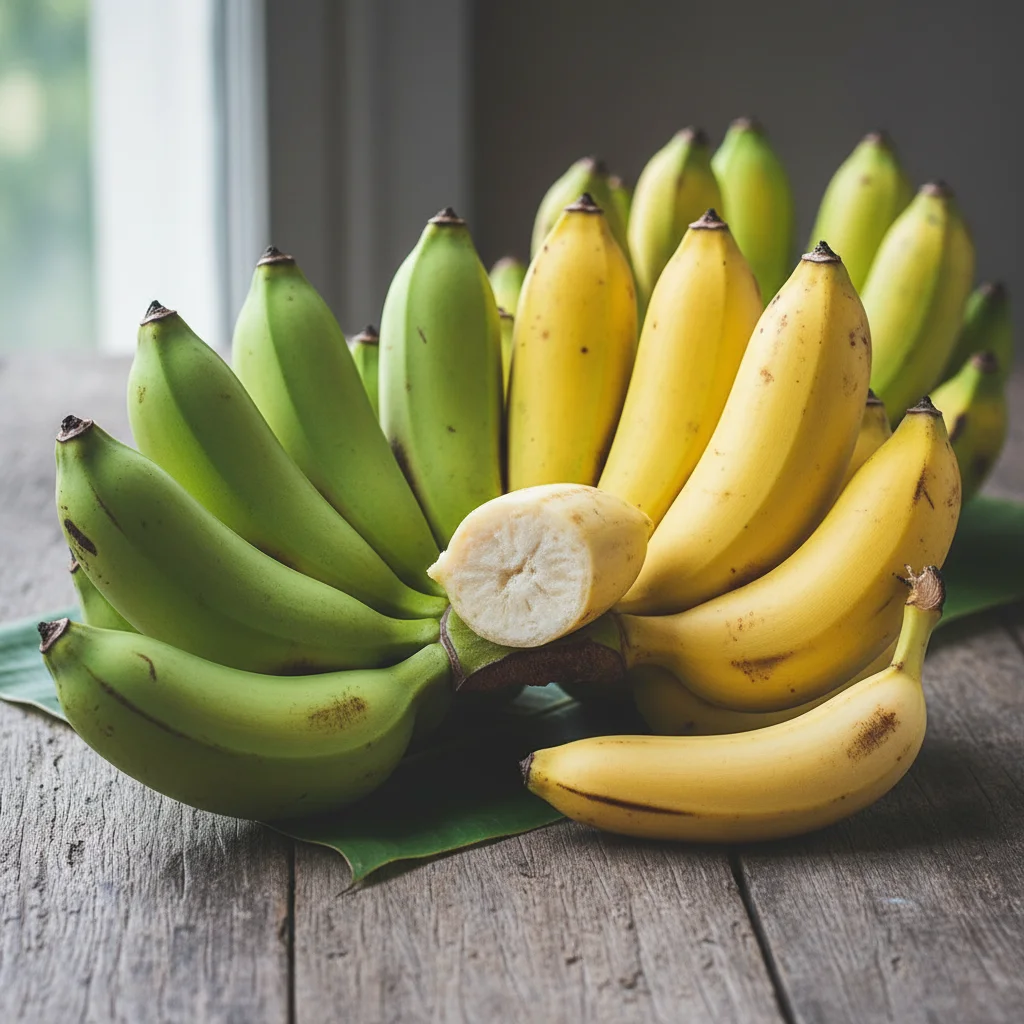
Key Characteristics of the Indian Fat Banana
| Feature | Description |
|---|---|
| Shape & Size | Rectangular and stout, significantly thicker and shorter than Cavendish bananas. |
| Skin | Thick and tough, green when unripe, turning bright yellow to black when overripe. |
| Flesh | Firm, dense, and pale cream to pinkish in color. Less moist than dessert bananas. |
| Taste (Raw) | Mildly sweet with a starchy, slightly tangy flavor when ripe. |
| Taste (Cooked) | Develops a rich, savory-sweet flavor; texture becomes creamy or crispy depending on preparation. |
| Primary Uses | Frying (banana chips), steaming, boiling, and in traditional desserts. |
Nutritional Profile and Health Benefits
The Nendran banana is not just a culinary ingredient; it’s also a nutrient-dense food. Because it is often consumed cooked, its nutritional availability can differ from raw bananas.
Firstly, it is an excellent source of complex carbohydrates and dietary fiber, which provide sustained energy and aid digestion. Moreover, it is rich in potassium, essential for heart health and blood pressure regulation, and vitamin C, a powerful antioxidant. Its resistant starch content, especially when cooked and cooled, may act as a prebiotic, feeding beneficial gut bacteria. For more on supporting gut health, explore our guide on the best powder supplements for gut health.
Important Note: While bananas are generally healthy, managing overall carbohydrate and sugar intake is crucial for conditions like diabetes. You can learn more about maintaining healthy blood sugar levels for broader context.
Culinary Uses: How is the Fat Banana Eaten?
The Nendran’s versatility is its greatest asset. Its applications range from savory snacks to sweet treats.
- Banana Chips (Upperi): This is the most famous use. Thin slices of raw Nendran are deep-fried in coconut oil to create crispy, savory, or sweet chips, a iconic Kerala snack.
- Steamed Dishes: Steamed Nendran bananas (Ethakka Appam or Puzhukku) are a common breakfast or side dish, often paired with savory lentils.
- Traditional Desserts: Ripe Nendran bananas are used in Pazham Pori (batter-fried bananas), Pradhaman (a type of payasam or pudding), and other sweet preparations.
- Boiled: Simply boiled bananas are eaten as a hearty, starchy food.
Nendran vs. Common Banana: A Quick Comparison
To fully appreciate the fat banana, it’s helpful to see how it stacks up against the regular banana you know.
| Aspect | Nendran Banana (Fat Banana) | Common Cavendish Banana |
|---|---|---|
| Primary Use | Cooking (plantain) | Dessert (eaten raw) |
| Texture (Raw) | Firm, starchy, dense | Soft, creamy, moist |
| Sweetness | Mild; increases with cooking | Naturally high |
| Shelf Life | Longer in unripe state | Relatively shorter |
| Cultural Hub | South India (especially Kerala) | Global, tropical regions |
Where to Find and How to Select Nendran Bananas
Outside of India, you can typically find Nendran bananas in specialist Indian or Asian grocery stores. They are often sold in bunches while still green. When selecting, look for fruits that are firm and free from excessive bruising. For cooking savory dishes like chips, choose green, unripe bananas. For desserts, select those that have turned yellow and are slightly soft to the touch.
A Final Slice
The fat banana variety from India, the Nendran, is far more than a curious-looking fruit. It is a cornerstone of regional cuisine, valued for its unique texture, cooking versatility, and nutritional benefits. Therefore, if you encounter these stout bananas in a market, do not hesitate to bring them home. Whether you fry them into crispy chips or steam them for a savory meal, you’ll be tasting a delicious piece of Indian culinary heritage. Exploring diverse foods like this can be as enriching as discovering new ways to learn, much like the innovative methods found in this Pianoforall review.