
How to Read a Corn Food Label
How to Read a Food Label for Corn: A Complete Guide
Navigating the grocery aisle can be overwhelming, especially when you’re trying to make healthy choices. Consequently, understanding food labels is a critical skill. This is particularly true for a staple like corn, which appears in countless forms—from fresh cobs to processed ingredients. Therefore, this guide will break down exactly how to read a food label for corn products, empowering you to make informed decisions for your diet.
Why Corn Labels Matter
Corn is a versatile and ubiquitous food. However, its nutritional profile can vary dramatically depending on how it’s processed. A label for fresh corn on the cob tells a very different story than one for corn syrup, corn chips, or canned corn. Firstly, by learning to read these labels, you can manage your intake of sugars, sodium, and additives. Moreover, it helps you identify whole-grain options and avoid unwanted ingredients, supporting better overall health.
Decoding the Nutrition Facts Panel
The Nutrition Facts panel is your primary tool. Here’s what to focus on when examining a corn-based product.
1. Serving Size and Servings Per Container
This is the most crucial starting point because all the nutritional information that follows is based on this amount. A bag of popcorn might list a serving as 3 cups popped, while corn chips might list it as 1 ounce (about 12 chips). Always check this first to understand what you’re actually consuming.
2. Key Nutrients
- Calories: Indicates the energy provided per serving.
- Total Carbohydrates: Corn is a starchy vegetable. This section includes Dietary Fiber (beneficial for digestion) and Total Sugars, which includes any added sugars. For instance, sweet corn will have natural sugars, while a cereal may have significant added sugars.
- Protein: Corn provides a modest amount of plant-based protein.
- Fat: Look for saturated and trans fats. Baked corn snacks will have less fat than fried ones.
- Sodium: Canned corn, cornbread mixes, and snacks can be very high in sodium. Choosing “no salt added” versions is often a wiser choice.
3. The % Daily Value (%DV)
This percentage shows how much a nutrient in a serving contributes to a daily 2,000-calorie diet. As a general rule:
* 5% DV or less is low for a nutrient.
* 20% DV or more is high for a nutrient.
Aim for a high %DV in fiber and a low %DV in saturated fat, sodium, and added sugars.
Understanding the Ingredients List for Corn Products
Ingredients are listed in descending order by weight. The first few ingredients reveal the product’s true character.
- Look for Whole Corn: Terms like “whole grain corn,” “corn,” or “popcorn” are good signs. For example, a quality corn tortilla might list: Whole grain corn, water, lime.
- Beware of Refined Corn Products: Ingredients like “degerminated corn meal” or “corn flour” are more refined, meaning the fiber-rich germ and bran have been removed.
- Identify Sweeteners: Corn-derived sweeteners are extremely common. Watch for:
- High-fructose corn syrup (HFCS)
- Corn syrup
- Dextrose
- Maltodextrin
These are forms of added sugar, which should be consumed in moderation. For more on managing sugar intake, see our guide on blood sugar levels.
- Spot Other Additives: Corn starch is a common thickener. Additionally, you might see preservatives, artificial colors, or flavorings in highly processed snacks.
Common Corn Product Labels and What They Mean
| Label Claim | What It Typically Means | What to Consider |
|---|---|---|
| Made with Whole Grain Corn | The product contains some whole-grain corn flour. | Check if “whole grain corn” is the first ingredient. It may still be mixed with refined flour. |
| Gluten-Free | The product does not contain wheat, rye, or barley. Corn is naturally gluten-free. | This is a reliable claim for those with celiac disease or gluten sensitivity. However, always verify for cross-contamination warnings. |
| Non-GMO Project Verified | The corn used has been verified as not genetically modified. | This is a third-party verification. Note that most sweet corn in stores is non-GMO, while field corn (used for processing) often is. |
| No Salt Added or Low Sodium | No salt is added during processing, or it meets FDA criteria for “low sodium.” | Vital for managing blood pressure. “No Salt Added” canned corn retains the corn’s natural sodium. |
| Organic | The corn was grown without synthetic pesticides and fertilizers, and is non-GMO. | Look for the USDA Organic seal. This can reduce exposure to pesticide residues. |
Health Considerations and Making Smart Choices
Choosing the right corn products can contribute to a balanced diet. Whole-grain corn provides fiber, vitamins, and antioxidants. Conversely, heavily processed corn products often contain excess calories, unhealthy fats, sugar, and sodium with minimal nutritional benefit.
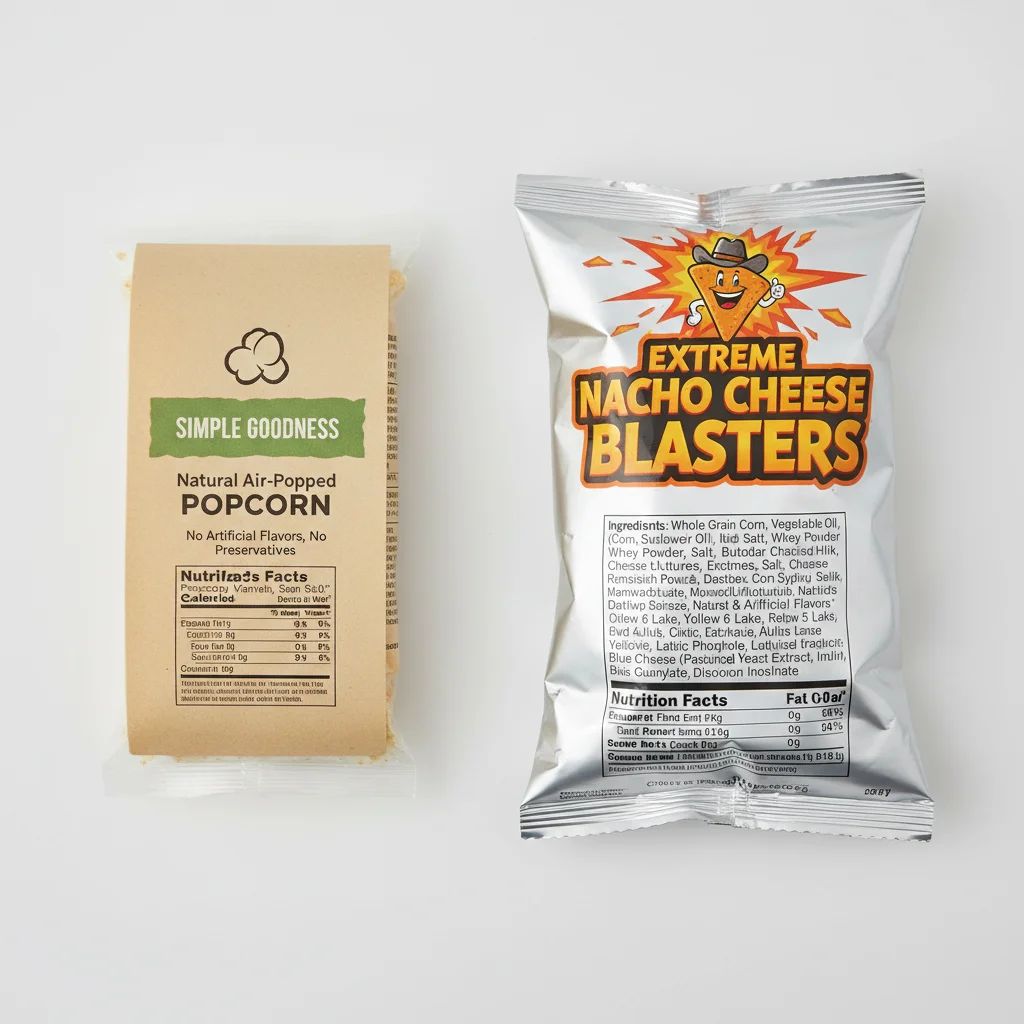
For instance, air-popped popcorn is a fantastic high-fiber snack, while many cheese-flavored puffs are not. Similarly, choosing frozen corn over canned cream-style corn avoids unnecessary fats and sodium. Furthermore, if you are exploring dietary supplements for overall wellness, it’s important to research their ingredients as diligently as you would a food label. You can read about popular supplements in our review of berberine formulations.
Conclusion: Be a Label-Savvy Shopper
In summary, reading a food label for corn requires a careful look at both the Nutrition Facts panel and the ingredients list. Firstly, always note the serving size. Secondly, prioritize products where whole corn is the main ingredient and fiber content is high. Thirdly, minimize products with long lists of additives, especially corn-derived sweeteners high up on the list.
By applying these principles, you can enjoy the benefits of corn—a nutritious, whole grain—while avoiding the pitfalls of its highly processed derivatives. Consequently, your grocery cart will be healthier, and your body will thank you.
Disclaimer: This information is for educational purposes only and is not a substitute for professional medical advice. Always consult with a healthcare provider for dietary guidance.