
Frozen Yogurt vs Ice Cream: Health
Frozen Yogurt vs Ice Cream: The Ultimate Nutritional Showdown
When you’re craving a cold, creamy treat, the choice between frozen yogurt and ice cream can feel significant. Both line the aisles of grocery stores and fill the counters of specialty shops, but their nutritional profiles and health impacts are distinctly different.
This guide will dissect the key differences in calories, sugar, fat, and probiotics to help you decide which dessert aligns with your dietary goals. Moreover, understanding these choices is part of a broader approach to mindful eating, similar to monitoring your blood sugar levels for overall metabolic health.
What’s the Core Difference?
Fundamentally, the primary distinction lies in the dairy base. Ice cream is made from cream, milk, and sugar, and must contain at least 10% milkfat by FDA standards. Frozen yogurt (often called “froyo”) is made from cultured milk (yogurt) and sugar. The culturing process introduces live bacterial cultures, which are the source of its potential probiotic benefits.
Consequently, this foundational difference drives all the variations in nutrition, texture, and how each is perceived by your body.
Nutritional Breakdown: Frozen Yogurt vs. Ice Cream
To make a clear comparison, let’s examine a standard half-cup (approximately 100-gram) serving of regular, full-fat versions of each. Remember, values can vary dramatically between brands and flavors.
| Nutrient (per 1/2 cup serving) | Regular Frozen Yogurt | Regular Ice Cream (Vanilla) | Key Takeaway |
|---|---|---|---|
| Calories | ~110-140 kcal | ~140-210 kcal | Frozen yogurt is generally lower in calories, aiding in weight management. |
| Total Fat | 3-4 grams | 7-12 grams | Ice cream contains significantly more saturated fat due to its cream base. |
| Saturated Fat | 2-2.5 grams | 4.5-7 grams | High saturated fat intake is linked to heart health concerns. |
| Sugar | 17-20 grams | 14-21 grams | Sugar content is highly variable and often comparable; always check the label. |
| Protein | 3-4 grams | 2-4 grams | Protein levels are similar, providing modest satiety. |
| Probiotics | Often contains live cultures | None | This is frozen yogurt’s standout potential benefit for gut health. |
| Calcium | ~10% DV | ~10% DV | Both are good sources of this essential mineral for bone health. |
The Health Debate: Which Is Actually Better?
The answer isn’t straightforward because it depends entirely on your personal health objectives and the specific products you choose.
The Case for Frozen Yogurt
Firstly, frozen yogurt typically wins in the lower-fat and lower-calorie categories, making it a popular choice for those watching their weight. Additionally, the presence of live and active cultures (like Lactobacillus bulgaricus and Streptococcus thermophilus) is its biggest health claim. These probiotics can support a healthy gut microbiome, which is linked to improved digestion and immunity. However, it’s crucial to note that the freezing process and storage can reduce probiotic potency, and many commercial toppings can negate any health benefits. For a different approach to wellness that also focuses on natural ingredients, you might explore options like horsetail plant tea, known for its traditional uses.
The Case for Ice Cream
Ice cream, on the other hand, is richer and more indulgent due to its higher fat content. This fat contributes to a creamier mouthfeel and greater satiety, meaning you might be satisfied with a smaller portion. Furthermore, because it’s more filling, it can potentially help with portion control. From a nutritional standpoint, it provides fat-soluble vitamins like A and D. The primary drawback is its high saturated fat and calorie density, which can be a concern for heart health and weight management if consumed frequently.
Sugar: The Hidden Equalizer
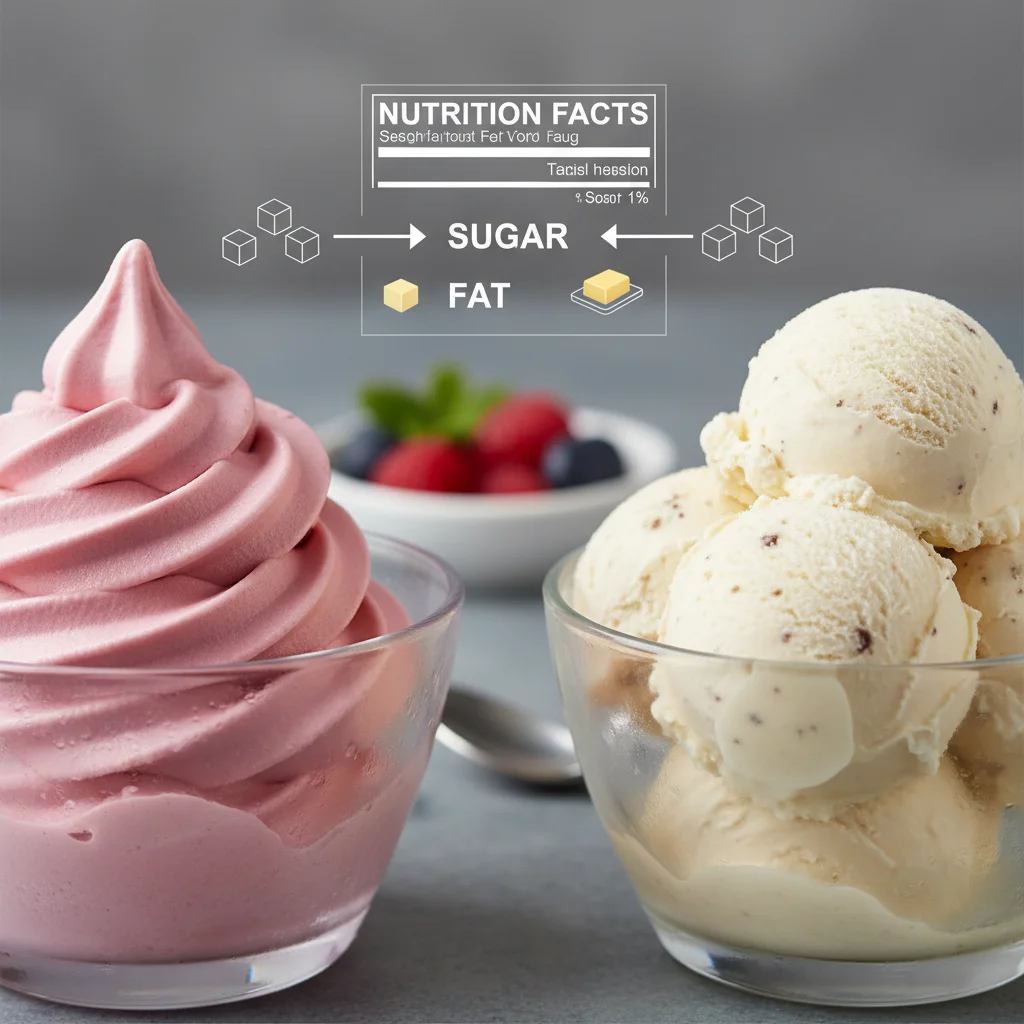
Here is a critical point: both treats are often high in added sugar. A seemingly healthy cup of flavored frozen yogurt can sometimes contain more sugar than a serving of ice cream. Therefore, when choosing either option, scrutinizing the sugar content on the nutrition label is non-negotiable. Opting for plain or lightly sweetened versions and adding fresh fruit is a smarter strategy for both.
Making the Smartest Choice: Practical Tips
- Read Labels Meticulously: Compare calories, fat, and—most importantly—sugar per serving. Don’t be fooled by “low-fat” claims that hide extra sugar.
- Mind Your Toppings: A bowl of low-fat froyo piled with candy, syrups, and cookie crumbs becomes a high-sugar, high-calorie dessert. Choose fresh berries, nuts, or a sprinkle of granola instead.
- Portion Control is Key: Regardless of your choice, stick to the recommended serving size (usually 1/2 cup). Use a small cup or bowl to avoid over-serving.
- Consider Dietary Needs: For those with lactose intolerance, both may cause issues, though frozen yogurt’s cultures can sometimes make it slightly easier to digest. There are also excellent dairy-free alternatives for both categories.
- Prioritize Protein & Probiotics: If you select frozen yogurt, look for labels that specify “live and active cultures.” Some brands also offer high-protein frozen yogurt, which is more satisfying.
The Final Scoop
So, is frozen yogurt healthier than ice cream? In a standard, direct comparison, frozen yogurt generally holds a slight edge due to its lower fat content and potential probiotic benefits. However, this advantage is easily lost if you consume large portions or sugar-laden varieties.
Ultimately, the healthiest choice is the one you enjoy in moderation as part of a balanced diet. Whether you prefer the tangy zest of frozen yogurt or the rich creaminess of ice cream, being an informed consumer allows you to indulge wisely. For other dietary decisions, such as understanding what you drink, exploring guides on zero carb drinks can provide further insight into managing your nutritional intake.