
Humidifier for Sinus Infection Relief
Can a Humidifier Help a Sinus Infection? A Guide to Symptom Relief
Struggling with the throbbing pressure, congestion, and headache of a sinus infection can be utterly miserable. While medical treatment is often necessary, many seek complementary ways to ease their discomfort. Consequently, a common question arises: can using a humidifier help a sinus infection?
The answer is a qualified yes. Adding moisture to the air can provide significant symptomatic relief, although it is not a cure. This guide explores the connection between humidity and sinus health, offering practical advice for using a humidifier effectively and safely.
How Dry Air Worsens Sinus Infection Symptoms
To understand the benefit, you must first grasp how dry air affects your inflamed sinuses. Your sinus cavities are lined with a protective layer of mucus and tiny hair-like structures called cilia. This system traps dust, allergens, and pathogens and moves them out. However, when the air is dry—common in winter or in air-conditioned spaces—this delicate system falters.
Firstly, dry air causes the mucus in your nasal and sinus passages to thicken and become sticky. This impaired mucus flow creates a perfect environment for viruses or bacteria to thrive, potentially prolonging an infection. Moreover, the dry air can irritate and inflame the already-sensitive membranes, leading to increased pain, congestion, and a raw, uncomfortable feeling. Therefore, reintroduating moisture is a logical step to support your body’s natural defenses and ease irritation.
The Proven Benefits of Using a Humidifier for Sinusitis
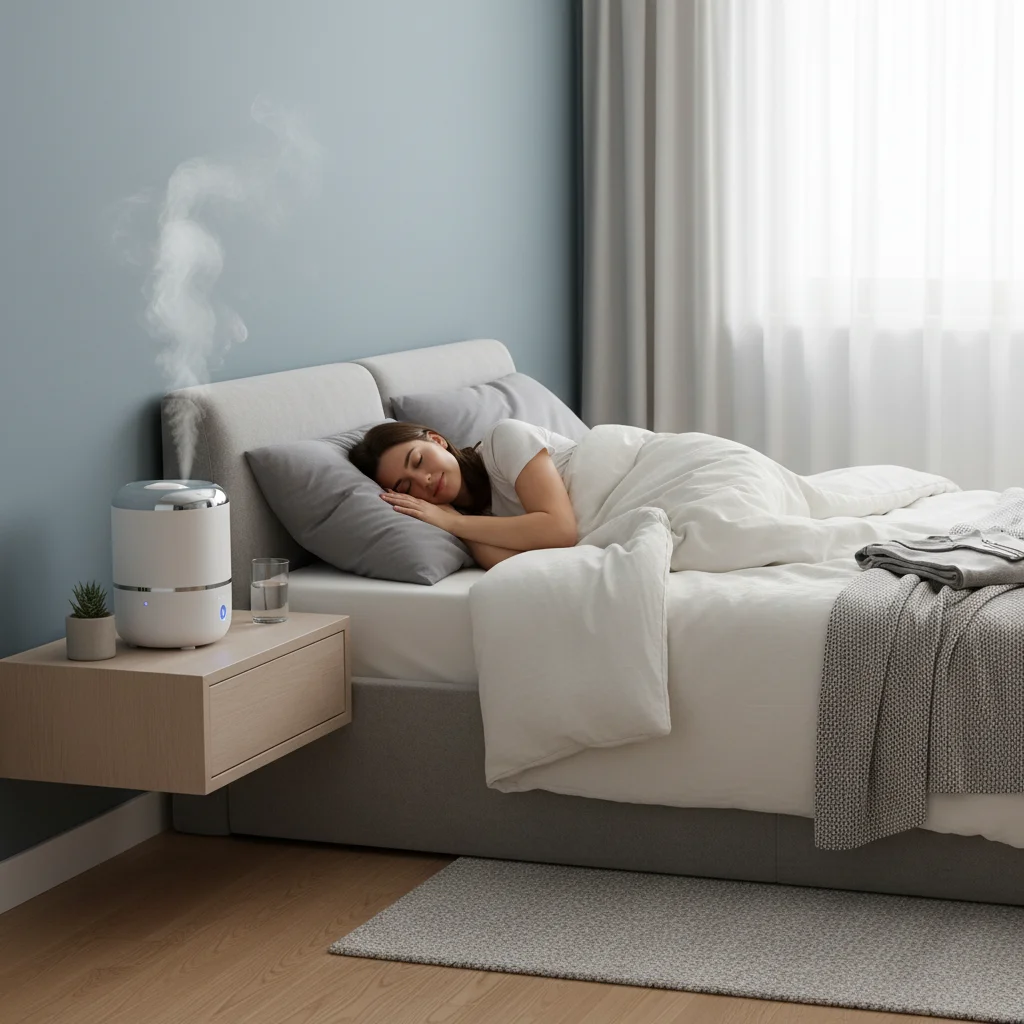
Introducing a cool or warm mist humidifier into your environment, particularly your bedroom, can offer several key benefits when you have a sinus infection.
- Thins Mucus: Adding moisture to the air helps liquefy thick, stagnant mucus. This makes it easier to drain from your sinuses, relieving painful pressure and congestion.
- Soothes Irritated Passages: The mist can calm inflammation in dry, cracked nasal membranes, providing immediate comfort and reducing the urge to blow your nose aggressively.
- Promotes Better Sleep: Congestion often worsens at night, making sleep difficult. A humidifier can help you breathe more easily, leading to more restful sleep, which is crucial for recovery.
- May Enhance Other Treatments: By keeping passages moist, a humidifier can help medicated nasal sprays or saline rinses work more effectively.
It’s important to note that while a humidifier is excellent for symptom management, it does not kill the bacteria or virus causing the infection. For bacterial sinusitis, antibiotics prescribed by a doctor are typically required. Additionally, supporting your overall health with proper nutrition can be beneficial; for instance, understanding your blood sugar levels guide can help manage systemic inflammation.
Cool Mist vs. Warm Mist: Which is Better for Sinus Infections?
Choosing the right type of humidifier is essential for safety and efficacy. Here’s a comparison to help you decide:
| Feature | Cool Mist Humidifier | Warm Mist Humidifier (Vaporizer) |
|---|---|---|
| Mechanism | Uses a fan or ultrasonic vibrations to emit room-temperature mist. | Heats water to create a warm steam. |
| Primary Benefit | Very safe around children and pets; can help cool a room slightly. | The warm steam can feel more soothing to congested sinuses and airways. |
| Safety Consideration | Requires diligent cleaning to prevent mold/bacteria dispersal. | Presents a burn or scald risk; uses more electricity. |
| Noise Level | Ultrasonic models are very quiet; evaporative models have fan noise. | Generally quiet, just the sound of heating. |
| Best For | Households with children, year-round use, larger rooms. | Adults seeking the soothing sensation of warm steam, especially in winter. |
For most people, especially families, an ultrasonic cool-mist humidifier is the recommended and safest choice. The key is consistent and proper maintenance, regardless of the type you choose.
How to Use a Humidifier Safely and Effectively
Misusing a humidifier can lead to more problems, such as dispersing mold or minerals into the air. Follow these critical steps:
- Use Distilled or Demineralized Water: Tap water contains minerals that create a fine white dust (scale) that you and your family will breathe in. Using distilled water prevents this.
- Clean It Every 1-3 Days: This is non-negotiable. Empty the tank, wipe all surfaces dry, and clean with a vinegar solution or the manufacturer’s recommended cleaner to prevent harmful microbial growth. A dirty humidifier can worsen allergies or even cause “humidifier lung,” a type of lung inflammation.
- Maintain Ideal Humidity Levels: Aim for a relative humidity level between 30% and 50%. You can use a hygrometer (a small, inexpensive humidity monitor) to check. Levels above 60% can encourage mold and dust mite growth in your home.
- Don’t Overdo It: Run the humidifier intermittently, not 24/7, and only in the room you are occupying. Ensure the room has some ventilation.
- Position it Correctly: Place the humidifier on a flat, elevated surface at least a few feet away from your bed and walls to ensure even mist distribution and avoid dampening surfaces.
Other Complementary Relief Strategies
While a humidifier is a powerful tool, combining it with other methods offers the best relief. Consider integrating these practices:
- Saline Nasal Irrigation: Using a neti pot or squeeze bottle with a saline solution is one of the most effective ways to flush out mucus and irritants. The National Institutes of Health notes saline irrigation as a supportive measure for upper airway conditions.
- Stay Hydrated: Drinking plenty of water, broth, or herbal tea helps thin mucus from the inside out.
- Apply Warm Compresses: Placing a warm, damp cloth over your nose and cheeks can help soothe sinus pain and promote drainage.
- Elevate Your Head: Sleeping with an extra pillow can encourage sinus drainage and reduce nighttime congestion.
Furthermore, supporting your body’s overall wellness is key to recovery. For example, maintaining a healthy gut can influence immune function; exploring the best powder supplements for gut health might be a useful consideration for long-term resilience.
When to See a Doctor
A humidifier is for symptom management, not a substitute for professional medical care. You should consult a doctor if:
- Symptoms last more than 10 days without improvement.
- You have a high fever (over 102°F or 39°C).
- You experience severe headache, vision changes, or neck stiffness.
- Swelling or redness around your eyes develops.
- Your symptoms initially improve but then suddenly worsen.
The Bottom Line
Using a humidifier for a sinus infection can be a highly effective way to ease congestion, soothe irritation, and improve sleep quality. However, its success hinges on choosing the right type—typically a cool-mist model—and committing to rigorous cleaning with distilled water.
When used correctly as part of a broader care strategy that includes hydration and saline rinses, a humidifier can be a valuable ally in your journey back to comfort and clear breathing.

