
Is Peanut Butter Keto-Friendly?
Is Peanut Butter Keto? A Guide to Carbs, Fats, and Staying in Ketosis
Navigating the keto diet means scrutinizing every food for its carbohydrate content. Consequently, a common question arises: Is peanut butter keto? The answer is not a simple yes or no. While peanut butter can be a fantastic high-fat, moderate-protein food for ketogenic dieters, its suitability depends entirely on the type you choose and how much you eat.
This guide will break down the nutritional science, highlight the pitfalls, and show you how to enjoy peanut butter without sabotaging your state of ketosis.
Understanding Keto Macros: Where Does Peanut Butter Fit?
The ketogenic diet emphasizes high fat, moderate protein, and very low carbohydrate intake—typically 20-50 grams of net carbs per day. Therefore, any food’s “keto-friendliness” is judged by its net carb count (total carbs minus fiber).
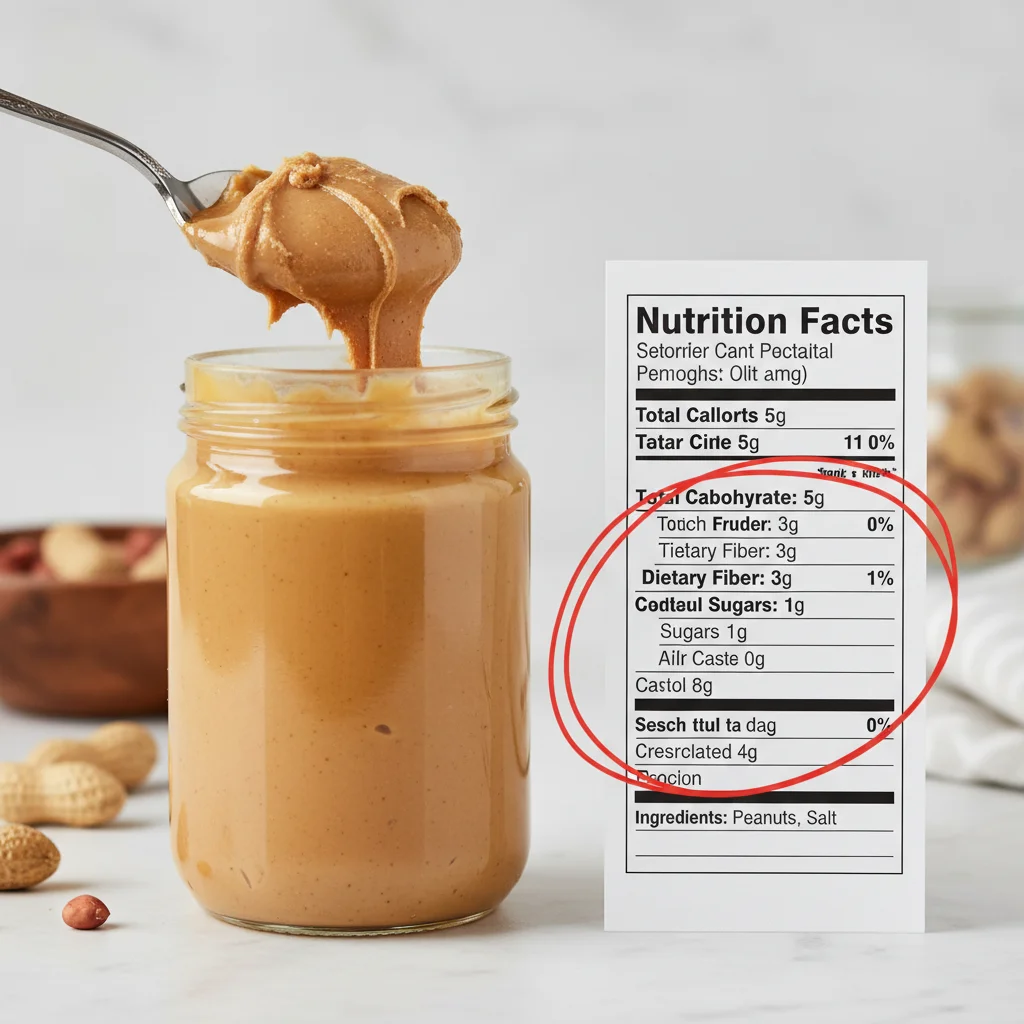
Peanut butter, made primarily from peanuts, is naturally high in fat and protein. However, it also contains carbohydrates. A standard 2-tablespoon (32g) serving of plain, unsweetened peanut butter provides approximately:
- Total Carbs: 7 grams
- Dietary Fiber: 2 grams
- Net Carbs: 5 grams
- Fat: 16 grams
- Protein: 8 grams
This macro profile is generally acceptable for keto, especially when consumed in a controlled portion. The 5 grams of net carbs can fit into a daily limit, particularly when balanced with very low-carb vegetables and other foods. Moreover, the high fat content supports satiety and energy, which are central tenets of the diet.
The Hidden Danger: Sugar and Additives in Commercial Brands
Here is where many people stumble. While natural peanut butter can be keto-friendly, most conventional supermarket brands are not. These products often contain added sugars, hydrogenated oils, and other fillers that spike the carbohydrate count.
For example, a popular brand with added sugar and molasses can have 8+ grams of net carbs per serving—a significant portion of your daily allowance for just a small spoonful.
Key ingredients to AVOID on keto:
* Added Sugars: (e.g., cane sugar, corn syrup, molasses)
* Hydrogenated Oils: (Trans fats that are inflammatory and offer no nutritional benefit)
* High-Carb Fillers: (Like soybean or cottonseed oil)
Always, and this cannot be overstated, read the ingredient label. The ideal keto peanut butter should contain only one or two ingredients: peanuts, and possibly salt.
Choosing the Best Peanut Butter for a Keto Diet
To ensure your peanut butter supports your goals, follow this selection checklist:
- Check Net Carbs: Aim for brands with 4-5 grams of net carbs or less per 2-tbsp serving.
- Read the Ingredients: The list should be short. “Peanuts” or “Peanuts and Salt” is perfect.
- Avoid Added Sugars: Scan for any form of sugar or syrup in the ingredients.
- Prefer Natural & Organic: These are less likely to contain unwanted additives. Look for oil separation at the top—this is a sign of a natural product (just stir it in!).
Keto-Friendly Peanut Butter Brands Comparison
| Brand / Type | Net Carbs (per 2 tbsp) | Key Features | Keto Verdict |
|---|---|---|---|
| Natural, Unsweetened | ~5g | Just peanuts (and salt). Oil may separate. | Excellent ✅ |
| Powdered Peanut Butter | ~2-4g | Defatted; must be reconstituted. Lower in fat/calories. | Good (in moderation) ⚠️ |
| Conventional Sweetened | 8g+ | Contains added sugars and hydrogenated oils. | Avoid ❌ |
| “No-Stir” Natural | ~5-6g | Often contains palm oil to prevent separation. Check for additives. | Check Label 🔍 |
How to Enjoy Peanut Butter on Keto Without Overdoing It
Portion control is critical. Because it is calorie-dense and easy to overeat, even keto-friendly peanut butter can hinder weight loss or kick you out of ketosis if consumed in large quantities.
Smart Serving Ideas:
* As a Fat Bomb: Mix with coconut oil, cocoa powder, and a keto-friendly sweetener, then freeze.
* In Smoothies: Add a tablespoon to a low-carb smoothie for creaminess and fat.
* With Low-Carb Veggies: Use celery sticks as a classic, crunchy vehicle.
* In Sauces: A base for a savory, satay-style sauce for grilled chicken or zucchini noodles.
Furthermore, consider rotating your nut butters. Almond butter and macadamia nut butter often have slightly lower net carbs and offer different nutritional profiles, supporting a wider range of nutrients for overall health.
Potential Downsides and Considerations
While it can fit, peanut butter isn’t perfect for every keto dieter. Firstly, peanuts are technically legumes, not tree nuts, and some people find them mildly inflammatory. Secondly, they contain phytic acid, which can impair mineral absorption. For individuals with digestive sensitivities, this might be a concern. Additionally, aflatoxins (mold toxins) can be present in peanuts; choosing high-quality, reputable brands can mitigate this risk.
If you are following a strict keto protocol for therapeutic reasons or have hit a plateau, you might consider eliminating peanut butter temporarily to see if it affects your results. For most people following a standard keto diet for weight loss, however, it remains a convenient and enjoyable option.
The Final Verdict: Is Peanut Butter Keto?
Yes, natural, unsweetened peanut butter in moderation is keto-friendly. Its macro profile of high fat, moderate protein, and relatively low net carbs allows it to fit within the strict parameters of the diet. The primary rule is to be a vigilant label reader to avoid hidden sugars and unhealthy oils.
Remember, the foundation of keto success is whole, unprocessed foods. By choosing your peanut butter wisely and monitoring your portions, you can enjoy this creamy spread without guilt. For more insights on optimizing your diet for specific health goals, explore our guide on the best brain health supplements or learn about foods to avoid for prostate health.
Always consult with a healthcare provider or nutritionist before making significant changes to your diet, especially if you have underlying health conditions.

