
Top 5 Evidence-Based Benefits of Lavender Tea-Read Now
The Soothing Power of Lavender Tea: Benefits, Brewing, and Beyond
The gentle, floral aroma of lavender is instantly recognizable, often evoking images of serene fields and relaxation. Consequently, when this fragrant herb is steeped into a warm cup of lavender tea, it transforms into a powerful, natural elixir for modern wellness.
This herbal infusion, made from the buds of the Lavandula angustifolia plant, has been cherished for centuries not just for its delightful scent, but for its profound calming properties. Moreover, its potential health benefits extend far beyond simple stress relief.
What is Lavender Tea?
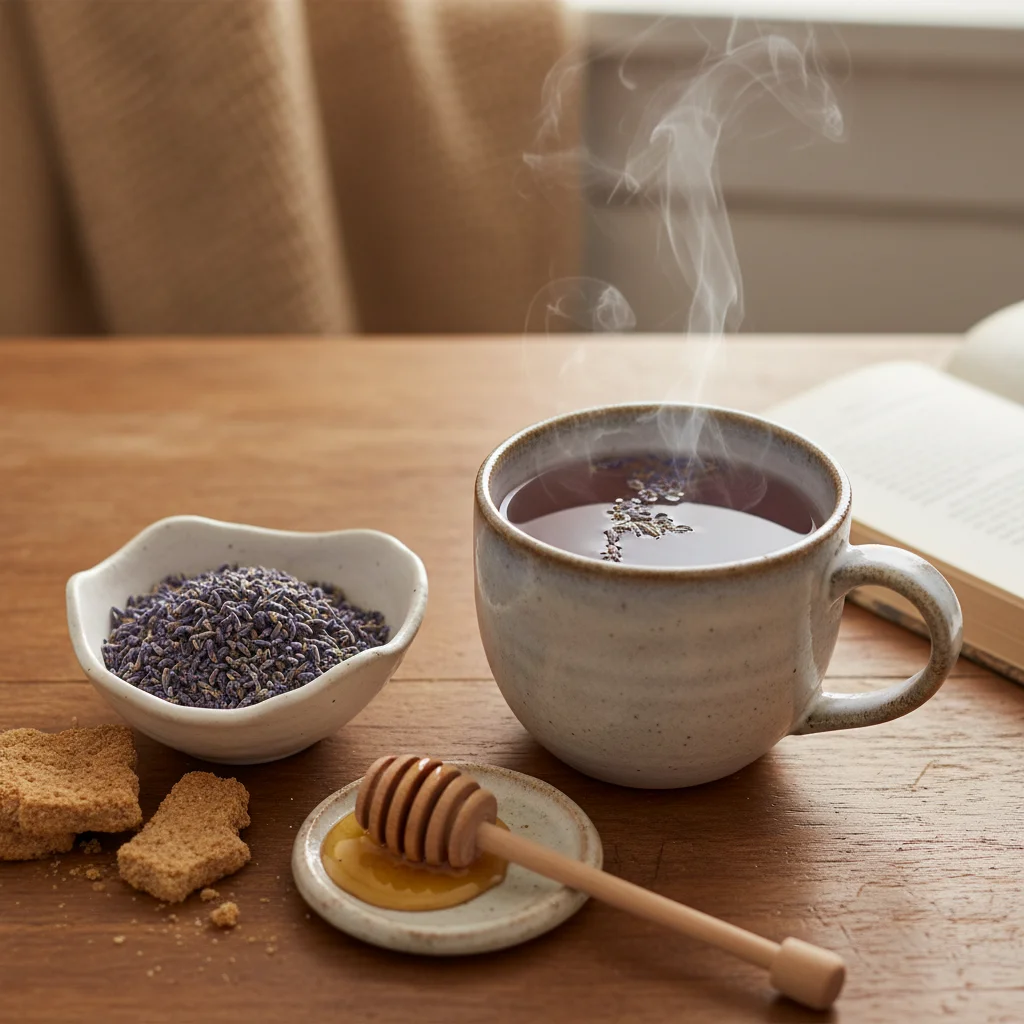
Firstly, it’s essential to understand what you’re drinking. Lavender tea is a caffeine-free herbal tea, or tisane, crafted by steeping the dried purple buds of the lavender plant in hot water. Unlike black or green tea, it contains no leaves from the Camellia sinensis plant.
Therefore, it’s an excellent choice for any time of day, especially before bedtime. The key bioactive compounds, namely linalool and linalyl acetate, are responsible for its signature scent and many of its therapeutic effects.
Top Evidence-Based Benefits of Lavender Tea
The appeal of lavender tea isn’t merely anecdotal; it is supported by a growing body of research into its calming and therapeutic compounds.
1. Promotes Relaxation and Reduces Anxiety
This is arguably the most celebrated benefit. The act of sipping warm tea is inherently soothing, and lavender compounds amplify this effect. Research indicates that lavender can help modulate the nervous system, potentially reducing feelings of anxiety and nervousness. A warm cup can serve as a mindful ritual to pause and decompress.
2. Supports Healthy Sleep Patterns
Because of its relaxant qualities, lavender tea is a popular natural sleep aid. Drinking a cup about 30-60 minutes before bed may help quiet a racing mind and prepare the body for rest. It’s a gentler alternative for those looking to avoid supplements, though for persistent issues, exploring the best brain health supplements that support sleep cycles may provide additional insight.
3. May Soothe Digestive Discomfort
Lavender has traditional uses for calming an upset stomach. Its antispasmodic properties may help ease bloating, gas, and indigestion. Sipping tea after a meal can be a digestive aid, similar to how other herbs like peppermint are used.
4. Contains Antioxidant Properties
Like many herbal teas, lavender contains antioxidants that help combat oxidative stress caused by free radicals. This cellular protection supports overall health and may contribute to healthy aging. For a deeper dive into antioxidants, our guide on antioxidants for prostate health explores their role in specific bodily systems.
5. Can Offer Mild Pain Relief
The anti-inflammatory and relaxant effects may provide mild relief from headaches, menstrual cramps, or muscular tension, especially when related to stress.
Lavender Tea Nutrition & Brewing Guide
To maximize benefits, proper brewing is key. Here’s a simple guide:
| Aspect | Details |
|---|---|
| Water Temperature | Just off the boil (around 200°F or 95°C). |
| Steeping Time | 5-10 minutes. A longer steep yields a stronger flavor and potency. |
| Amount per Cup | 1-2 teaspoons of dried lavender buds. |
| Flavor Pairings | Excellent with a drizzle of honey (learn about raw honey vs pure honey), a slice of lemon, or a sprig of mint. |
| Caffeine Content | Naturally caffeine-free. |
Pro Tip: For the freshest flavor, source food-grade, organic lavender buds intended for culinary use.
Potential Side Effects and Considerations
While generally safe for most adults, moderation is wise. Firstly, excessive consumption may lead to headaches or constipation in some individuals. Secondly, due to its potential sedative effect, it should not be combined with other sedative medications without consulting a doctor. Pregnant or breastfeeding women should also consult a healthcare provider before making it a regular part of their routine.
Frequently Asked Questions
Can I drink lavender tea every day?
Yes, for most people, enjoying 1-2 cups daily is considered safe and can be part of a healthy relaxation ritual.
Does lavender tea make you sleepy?
It promotes relaxation, which can make it easier to fall asleep. However, it’s not a potent sedative, so it’s unlikely to cause sudden drowsiness during the day unless consumed in large quantities.
Where can I buy good quality lavender tea?
Look for it in health food stores, specialty tea shops, or online retailers. Ensure it’s labeled as “culinary grade” or “for consumption.”
Conclusion: A Cup of Calm
In conclusion, lavender tea is more than just a pleasant beverage; it’s a simple, accessible tool for enhancing well-being. Its ability to gently ease stress, foster sleep, and provide antioxidant support makes it a valuable addition to a health-conscious lifestyle.
Therefore, whether you’re winding down after a long day or seeking a moment of midday peace, brewing a cup of lavender tea is a timeless act of self-care.

