
Low Carb Cow Milk Guide: Nutrition, Options & Benefits
Your Complete Guide to Low Carb Cow Milk
Navigating the dairy aisle while following a low-carb or ketogenic diet can be confusing. Regular cow milk contains a significant amount of lactose, a natural sugar that contributes to its carbohydrate count. Therefore, understanding your options for low carb cow milk is essential for staying within your daily macros without sacrificing nutrition. This guide will break down everything you need to know, from the science behind the carbs to the best choices available.
What Makes Milk “Low Carb”? Understanding the Basics
Firstly, it’s important to define what we mean by “low carb” in the context of milk. A standard 8-ounce (240ml) glass of whole milk contains about 12 grams of carbohydrates, all from lactose. For someone limiting carbs to 20-50 grams per day, this represents a substantial portion.
Consequently, low carb cow milk typically refers to products that have been altered to reduce this lactose content. This is achieved through methods like:
* Ultra-filtration: A process that physically removes water, lactose, and some minerals, concentrating the protein and fat.
* Lactase enzyme addition: Adding the enzyme lactase, which pre-digests the lactose into simpler, sweeter sugars (glucose and galactose). This doesn’t reduce the carb count but makes it digestible for the lactose intolerant.
* Dilution with higher-fat creams or water.
Nutritional Profile: Low Carb Milk vs. Regular Milk
The following table compares a standard serving (1 cup/240ml) of different milk types to highlight the key differences.
| Milk Type (1 Cup) | Calories | Total Fat | Protein | Total Carbohydrates | Sugar (Lactose) |
|---|---|---|---|---|---|
| Whole Milk (Regular) | 149 | 8g | 8g | 12g | 12g |
| Fairlife Whole Ultra-Filtered | 150 | 8g | 13g | 6g | 6g |
| Carbmaster Milk (Kroger) | 60 | 2.5g | 11g | 3g | 3g |
| Unsweetened Almond Milk | 30-40 | 2.5-3g | 1g | 1-2g | 0g |
As you can see, specially formulated low carb cow milk options can cut the carbohydrate content by 50% or more compared to regular milk, while often boosting protein.
Top Benefits of Choosing Low Carb Cow Milk
Switching to a lower-carb dairy option offers several advantages, particularly for specific dietary goals.
Supports Ketosis and Low-Carb Diets: This is the most direct benefit. By significantly reducing your carb intake from dairy, you can more easily maintain a state of ketosis or simply stay within a low-carb eating plan. This can be crucial for managing blood sugar levels and supporting weight management efforts.
Higher Protein Content: Many ultra-filtered low carb milks contain up to 50% more protein per serving than regular milk. Protein is vital for satiety, muscle repair, and metabolic health. Moreover, a higher protein intake can help curb cravings.
Rich in Essential Nutrients: Even with reduced lactose, these milks retain important nutrients naturally found in cow’s milk, such as calcium, vitamin D (when fortified), vitamin B12, and potassium. Consequently, they remain a valuable source of bone-supporting nutrition.
May Improve Digestibility: For individuals with lactose sensitivity (not a full allergy), the reduced lactose in these products can minimize symptoms like bloating, gas, and discomfort. However, it’s important to note that lactase-added milk still contains the sugar molecules, just in a different form.
How to Find and Choose the Best Low Carb Milk
When shopping, you need to be a diligent label reader. Here’s what to look for:
- Check the “Total Carbohydrates” Line: This is the most important number. Aim for products with less than 6 grams per cup to be considered genuinely low carb.
- Scan the Ingredient List: Look for terms like “ultra-filtered,” “lactose-free,” or “high-protein.” Be cautious of “lactose-free” milk that hasn’t been filtered, as its carb count will still be high—the lactose is just broken down.
- Consider Your Dietary Focus: If you’re on keto, prioritize higher-fat options. If you’re focused on lean protein, choose a higher-protein, lower-fat version.
- Taste Test: The processing can alter the taste and mouthfeel. Some find ultra-filtered milk to be creamier and slightly sweeter, even without added sugars.
Popular Brands and Alternatives to Cow Milk
If specialty low carb cow milk is unavailable or not to your liking, you have other excellent alternatives.
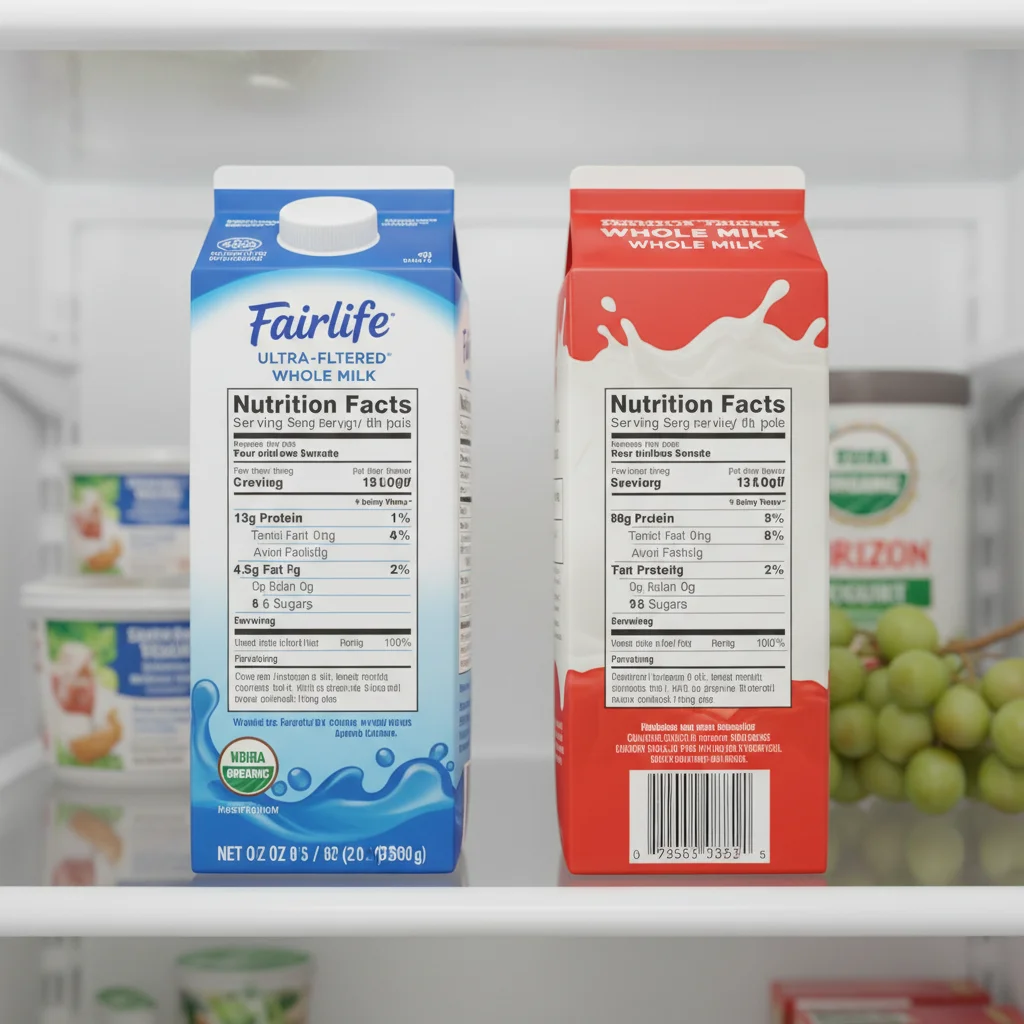
- Fairlife Ultra-Filtered Milk: A widely available brand that offers 50% more protein and 50% less sugar than regular milk.
- Kroger Carbmaster Milk: A store-brand option specifically formulated to be very low in carbohydrates and high in protein.
- Organic Valley Ultra-Filtered Organic Milk: A good choice for those seeking an organic product with reduced lactose.
Non-Dairy Low Carb Alternatives:
For an even lower carb count, unsweetened plant-based milks are outstanding. Unsweetened almond milk, coconut milk, and flax milk often contain 1 gram of net carbs or less per cup. However, they typically provide far less protein than cow’s milk unless specifically fortified. For a deeper dive into gut-friendly nutrition, which is often a focus in low-carb planning, explore our guide on the best powder supplements for gut health.
Frequently Asked Questions About Low Carb Milk
Is lactose-free milk low carb?
Not necessarily. Standard lactose-free milk has the same amount of carbohydrates as regular milk; the lactose sugar is simply pre-digested into glucose and galactose. You must check for “ultra-filtered” or “reduced sugar” on the label.
Can I drink low carb milk on keto?
Yes, absolutely. In moderation, low carb cow milk can fit into a ketogenic diet. Always calculate the carbs into your daily limit, as even 6 grams per cup can add up.
Does it taste different?
Many people find ultra-filtered low carb milk to be slightly sweeter and creamier than regular milk because the protein and fat are more concentrated.
Final Thoughts
Incorporating low carb cow milk into your diet is a practical strategy for enjoying the nutritional benefits of dairy without the high carbohydrate load. By opting for ultra-filtered or specially formulated products, you can support your metabolic health, increase your protein intake, and maintain dietary compliance. Ultimately, always remember to read nutrition labels carefully to make the choice that best aligns with your health goals.


One thought on “Low Carb Cow Milk Guide: Nutrition, Options & Benefits”
Comments are closed.