
Cocoa Nibs: Ultimate Health & Uses Guide
Nibs Cocoa Beans: The Raw, Powerful Heart of Chocolate
If you’re a chocolate lover seeking a healthier, less processed alternative, you’ve likely encountered cocoa nibs. These small, crunchy pieces are essentially the purest, most unadulterated form of chocolate you can eat. They are simply roasted cocoa beans that have been separated from their husks and broken into bits. Consequently, they offer an intense, bitter chocolate flavor packed with a remarkable nutritional punch, completely free from the added sugar, dairy, and other ingredients found in most chocolate bars.
This guide will delve into everything you need to know about cocoa nibs, from their nutritional makeup to their versatile culinary uses.
What Exactly Are Cocoa Nibs? 🍫
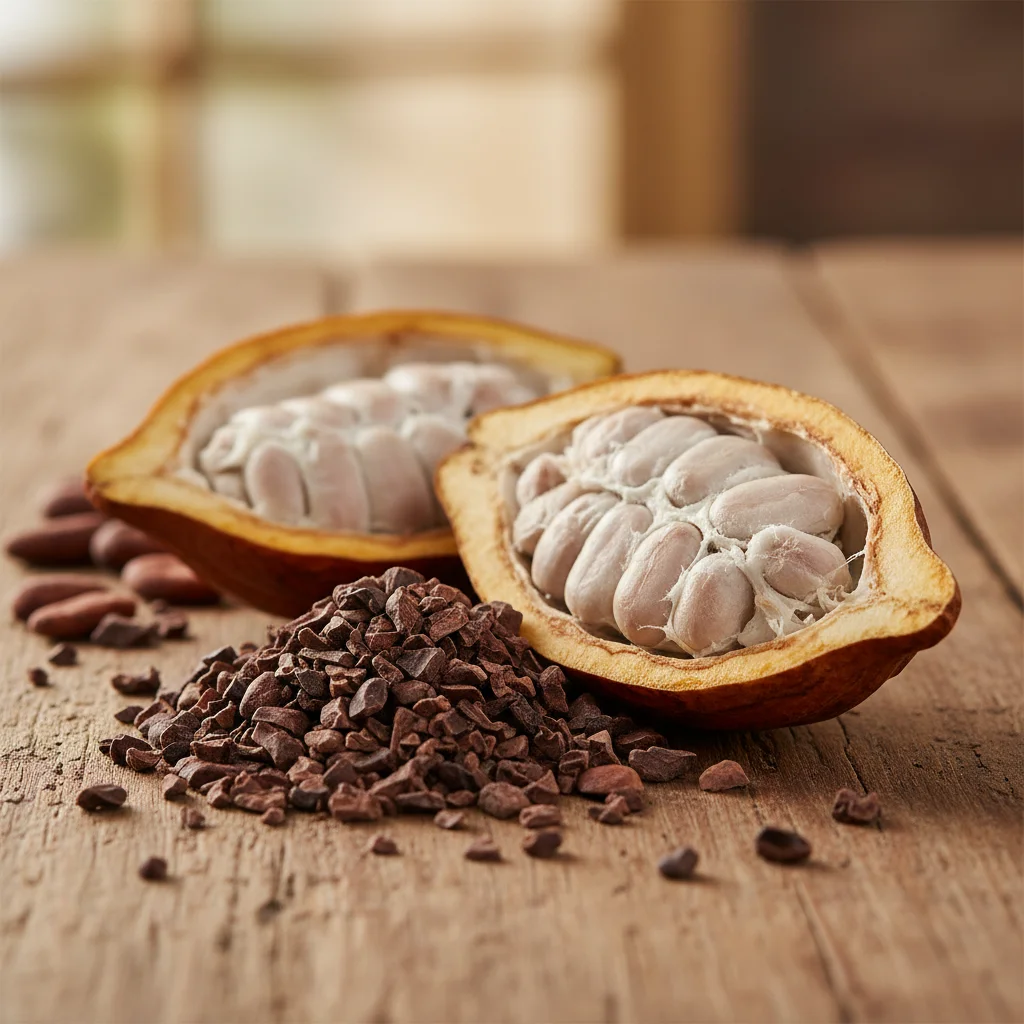
To understand cocoa nibs, it’s helpful to first understand the journey of the cocoa bean. Cocoa beans are the seeds found inside the large, colorful pods of the Theobroma cacao tree. After harvest, the beans are fermented and dried—a crucial process for developing flavor. Subsequently, they are roasted to enhance their chocolatey taste. The roasted beans are then cracked and winnowed, which removes the outer shell (or husk). The remaining small, edible fragments are what we call cocoa nibs.
Therefore, cocoa nibs are the raw material for all chocolate products. When ground, they become a paste known as chocolate liquor (which contains both cocoa solids and cocoa butter). This liquor is then further processed to create cocoa powder and all forms of chocolate.
Nutritional Profile of Cocoa Nibs
Cocoa nibs are a true superfood, densely packed with beneficial compounds. Because they are minimally processed, they retain a high concentration of the antioxidants, minerals, and fiber naturally present in the cocoa bean.
Here is a breakdown of the approximate nutritional value in a 1-ounce (28-gram) serving:
| Nutrient | Amount in 1 oz (28g) | % Daily Value (DV) / Key Benefit |
|---|---|---|
| Calories | 130-150 | – |
| Fat | 12-15g | 18% DV |
| Saturated Fat | 7-8g | – |
| Fiber | 5-9g | 20-36% DV |
| Protein | 4-5g | 8% DV |
| Iron | 1.5-2mg | 8-11% DV |
| Magnesium | 65-80mg | 15-20% DV |
| Copper | 0.5mg | 25% DV |
| Manganese | 0.5mg | 22% DV |
| Antioxidants (Flavanols) | Very High | Supports heart & brain health |
Key Takeaway: Firstly, they are an excellent source of dietary fiber, which promotes digestive health and satiety. Moreover, they are rich in magnesium, a mineral vital for muscle function, nerve signaling, and bone health. Additionally, their iron content supports healthy blood, while the copper and manganese act as essential cofactors for many bodily enzymes.
Top Health Benefits of Cocoa Nibs
The impressive nutrient profile of cocoa nibs translates into several evidence-backed health benefits.
1. Rich in Potent Antioxidants
Cocoa nibs are loaded with polyphenol antioxidants, particularly flavanols like epicatechin and catechin. These compounds help combat oxidative stress in the body by neutralizing free radicals. Consequently, a diet high in antioxidants is linked to a reduced risk of chronic diseases, including heart disease and certain cancers.
2. May Support Heart Health
The flavanols in cocoa have been studied extensively for their cardiovascular benefits. Research suggests they can help improve blood flow, lower blood pressure, and reduce “bad” LDL cholesterol oxidation. Therefore, incorporating cocoa nibs into a balanced diet may contribute to a healthier heart. For more on managing metabolic markers, you can explore our guide on understanding blood sugar levels.
3. Could Enhance Brain Function
The improved blood flow from cocoa flavanols benefits the brain as well. Studies indicate that these compounds may enhance cognitive function, improve memory, and even boost mood. Furthermore, the magnesium in nibs plays a role in regulating neurotransmitters.
4. A Great Low-Sugar, High-Fiber Snack
Unlike most chocolate, pure cocoa nibs contain virtually no sugar. This makes them an ideal choice for those managing sugar intake or following low-carb or ketogenic diets. Their high fiber and fat content also promotes a feeling of fullness, which can aid in weight management. For other low-carb options, check out our list of zero carb drinks.
How to Use Cocoa Nibs in Your Kitchen
Because of their intense, bittersweet flavor, cocoa nibs are typically used as an ingredient rather than eaten by the handful. Here are some delicious ways to incorporate them:
- Smoothie & Bowl Booster: Blend a tablespoon into your morning smoothie or sprinkle on top of oatmeal or acai bowls for a crunchy, chocolatey texture.
- Baking Ingredient: Add them to cookies, brownies, bread, or muffin batter in place of (or alongside) chocolate chips. They won’t melt but will provide bursts of flavor.
- Salad & Yogurt Topper: Their crunch and bitterness pair surprisingly well with savory dishes. Try sprinkling them on a salad with goat cheese and beets, or over plain Greek yogurt.
- Homemade Trail Mix: Combine with nuts, seeds, and unsweetened dried fruit for a powerful energy snack.
- Dessert Garnish: Use as a finishing touch on ice cream, mousses, or puddings.
Cocoa Nibs vs. Cocoa Powder vs. Dark Chocolate
It’s easy to confuse these related products. Here’s a quick comparison:
- Cocoa Nibs: The least processed. They are simply crushed beans. Highest in fiber, cocoa butter, and nutrients. Flavor is bitter, intense, and crunchy.
- Cocoa Powder: Made by pressing most of the cocoa butter out of the chocolate liquor and grinding the remaining solids into a fine powder. It’s concentrated in antioxidants but lower in fat. Often used in baking and drinks.
- Dark Chocolate: Made from cocoa nibs (liquor), with added cocoa butter, sugar, and sometimes vanilla. Its health benefits and bitterness level depend on the cocoa percentage (e.g., 70%, 85%). Higher percentages are closer to the pure nib.
Where to Buy and How to Store
You can find cocoa nibs in most health food stores, well-stocked supermarkets (often in the baking or health food aisle), and online. Look for organic and fair-trade options when possible.
To maintain freshness and prevent their natural fats from going rancid, store cocoa nibs in an airtight container in a cool, dark place. For long-term storage, you can keep them in the refrigerator or even the freezer.
The Bottom Line
Cocoa nibs are a nutritional powerhouse and a versatile ingredient for the health-conscious foodie. They offer the profound benefits of cocoa—antioxidants, minerals, and fiber—in their purest, most unadulterated form. While their flavor is an acquired taste, their crunchy texture and intense chocolate essence can elevate both sweet and savory dishes. Therefore, by adding a sprinkle of cocoa nibs to your diet, you’re not just enjoying a unique flavor; you’re investing in a potent dose of plant-based nutrition.
Disclaimer: This content is for informational purposes only and is not a substitute for professional medical advice. Always consult with a healthcare provider before making significant changes to your diet.

