
Nutritious Flour Guide: Types & Benefits
Your Guide to Nutritious Flour: Beyond Basic White
For decades, white all-purpose flour has dominated our pantries. However, a culinary revolution is underway, bringing a vast array of nutritious flour options to the forefront. These alternatives, derived from nuts, seeds, ancient grains, and legumes, offer profound benefits for health, digestion, and dietary diversity. Consequently, understanding these options can transform your baking and cooking into a powerhouse of nutrition.
What Makes a Flour Nutritious? 🥗
Firstly, it’s essential to define what separates a standard flour from a nutritious one. Traditional white flour is heavily refined, stripping away the bran and germ—the parts richest in fiber, vitamins, and minerals. This process leaves mostly the starchy endosperm. A truly nutritious flour, however, retains these vital components or comes from inherently nutrient-dense sources.
Key nutritional markers to look for include:
* High Fiber: Crucial for digestive health and blood sugar stability.
* Protein Content: Supports muscle repair and promotes satiety.
* Healthy Fats: Found in nut and seed flours.
* Micronutrients: Such as iron, magnesium, and B vitamins.
* Naturally Gluten-Free: A critical factor for those with celiac disease or gluten sensitivity.
Moreover, integrating these flours can be a strategic part of managing overall wellness, including aspects like blood sugar levels.
A Comparative Guide to Popular Nutritious Flours
To help you navigate the options, here is a detailed comparison of some of the most popular and beneficial flours available.
| Flour Type | Primary Nutrients | Best Used For | Gluten-Free? | Key Benefit |
|---|---|---|---|---|
| Almond Flour | Protein, Healthy Fats (Vitamin E), Magnesium | Cookies, macarons, crusts | Yes | High in protein & healthy fats, promotes satiety. |
| Coconut Flour | Fiber, Iron, Healthy Fats | Dense baked goods, coatings | Yes | Extremely high in fiber, absorbs moisture well. |
| Oat Flour | Soluble Fiber (Beta-Glucan), Protein, Iron | Muffins, pancakes, breads | Yes* | Supports heart health & cholesterol management. |
| Chickpea (Garbanzo) Flour | Protein, Fiber, Folate, Iron | Socca, flatbreads, fritters | Yes | High-protein, versatile savory option. |
| Quinoa Flour | Complete Protein, Fiber, Iron, Magnesium | Bread, pasta, dense cakes | Yes | Provides all nine essential amino acids. |
| Spelt Flour | Fiber, Protein, Iron, Zinc | Bread, pizza dough, pasta | No (Contains gluten) | Easier to digest than modern wheat for some. |
| Buckwheat Flour | Fiber, Protein, Magnesium, Antioxidants | Pancakes, soba noodles, crepes | Yes | Rich in rutin, an antioxidant for vascular health. |
Note: Oats are naturally gluten-free but are often cross-contaminated. Look for certified gluten-free oat flour if necessary.
Health Benefits of Switching to Nutrient-Dense Flours
The advantages of incorporating these flours extend far beyond the kitchen. Firstly, they can significantly improve digestive health due to their higher fiber content, which feeds beneficial gut bacteria. Additionally, many of these flours have a lower glycemic index than white flour, leading to more stable energy levels. This is a key consideration for anyone monitoring their blood sugar levels guide.
Furthermore, they often provide a more substantial nutrient profile. For instance, almond flour is rich in vitamin E, a potent antioxidant, while quinoa flour offers complete protein. Therefore, using a variety can help you cover nutritional bases that refined grains simply cannot.
How to Choose and Bake with Nutritious Flours
Transitioning from white flour requires some know-how. Here are essential tips:
- Start with Blends: Don’t swap 100% of white flour in a recipe for coconut flour; it won’t work. Begin by substituting 25-50% with a nutritious alternative like oat or spelt flour.
- Understand Absorption: Nut and seed flours (like almond or coconut) absorb liquids differently. You will often need to add more binding agents like eggs or adjust liquid quantities.
- Match the Flour to the Recipe: Use almond or coconut flour for dense, moist baked goods. Opt for oat or sorghum flour for lighter muffins and breads. Chickpea flour excels in savory applications.
- Store Properly: Because many are higher in oils (like almond flour), store them in the refrigerator or freezer to prevent rancidity.
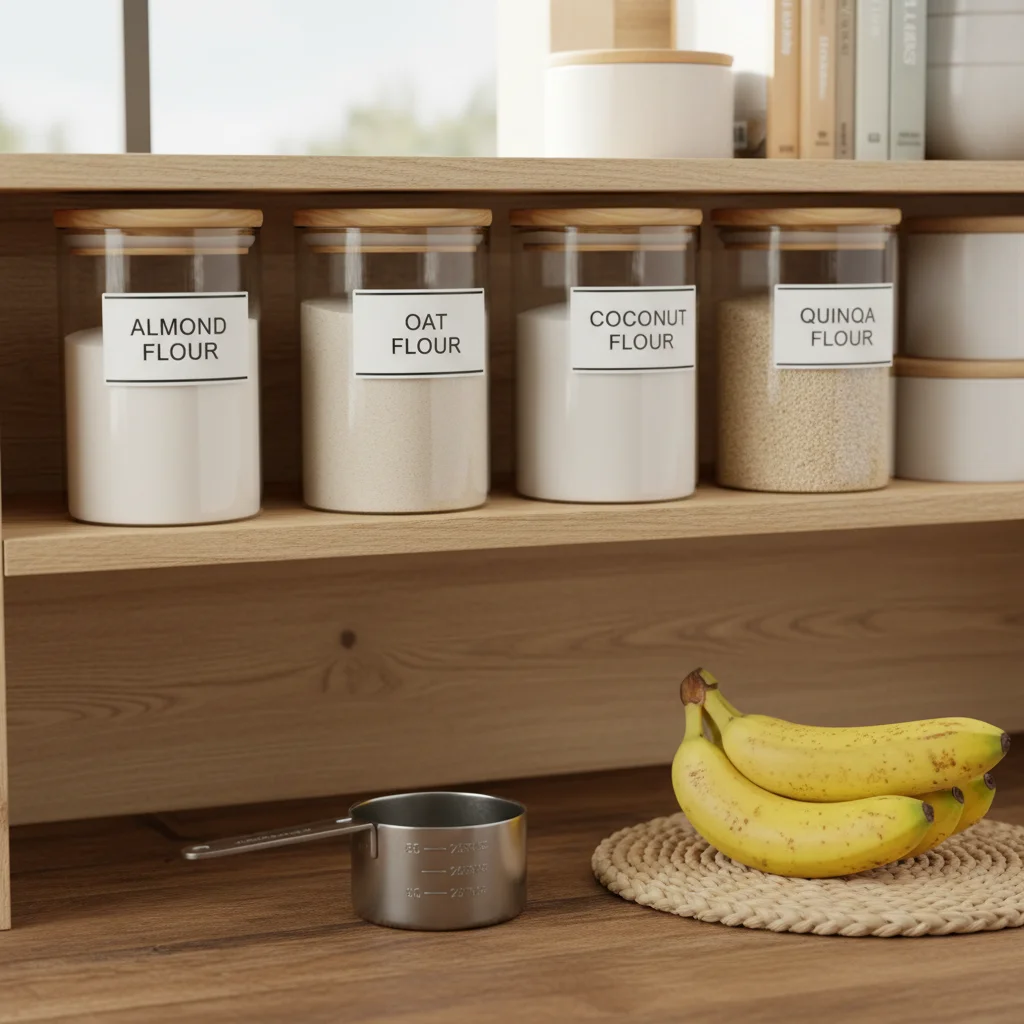
Special Diets and Nutritional Considerations
Nutritious flours are cornerstone ingredients for various dietary lifestyles. For those on a vegan keto diet plan, almond and coconut flour are indispensable low-carb staples. Meanwhile, individuals focused on prostate health or overall wellness may benefit from the antioxidant-rich profiles of buckwheat or ancient grain flours.
It’s also worth exploring how other nutritious foods complement these flours. For example, learning about the nutritional value of graham crackers can inspire you to create a healthier, homemade version using whole grain or nut flours. Similarly, understanding the benefits of ingredients like blood orange could lead to innovative recipes that combine flavor and nutrition.
Conclusion: Elevate Your Pantry
Ultimately, venturing into the world of nutritious flours is an investment in your long-term health and culinary creativity. By starting with small substitutions and experimenting with different types, you can enjoy richer flavors, better textures, and a substantial nutritional upgrade in your meals. Consequently, your body will thank you for the added fiber, protein, and vitamins, making every bite count toward a healthier you.
Disclaimer: This content is for informational purposes only. It is not intended as medical advice. For personalized dietary guidance, consult a healthcare professional or registered dietitian.

