
Oil From Maize vs. Other Common Cooking Oils Tips
Oil from Maize: A Complete Guide to Corn Oil
Oil from maize, universally known as corn oil, is a staple in many kitchens and food manufacturing facilities. Extracted from the germ of corn kernels, this golden-yellow oil is prized for its neutral flavor and high smoke point. Consequently, it has become a versatile player in the culinary world. This guide will explore everything you need to know about maize oil, from its nutritional profile to its best uses and how it stacks up against alternatives.
What is Maize Oil (Corn Oil)?
Maize oil is a refined vegetable oil procured from the germ of corn (Zea mays). The extraction process typically involves pressing and solvent extraction, followed by refining, which results in a clear oil with a very mild taste and aroma. Because of its neutral profile, it doesn’t overpower the flavors of other ingredients, making it a popular choice for a wide array of applications.
Nutritional Profile of Corn Oil
Understanding the nutritional makeup of corn oil is crucial for making informed dietary choices. Primarily, it is a source of fat, containing a mix of polyunsaturated, monounsaturated, and saturated fatty acids.
| Nutrient (per 1 Tablespoon / 14g) | Amount | % Daily Value* |
|---|---|---|
| Calories | 120 kcal | – |
| Total Fat | 14 g | 18% |
| – Saturated Fat | 2 g | 10% |
| – Monounsaturated Fat | 4 g | – |
| – Polyunsaturated Fat | 8 g | – |
| Vitamin E | 2.4 mg | 16% |
*Percent Daily Values are based on a 2,000 calorie diet.
A key nutritional highlight is its high concentration of polyunsaturated fats, specifically linoleic acid, an omega-6 fatty acid. Additionally, it is a good source of vitamin E, a powerful antioxidant that helps protect cells from damage. However, it’s important to balance its high omega-6 content with omega-3s from other sources for optimal health.
Health Benefits and Considerations
When used in moderation as part of a balanced diet, oil from maize offers several potential benefits.
- Heart Health Support: The predominant fatty acid in corn oil, linoleic acid, has been associated with helping to lower LDL (“bad”) cholesterol levels when it replaces saturated fats in the diet. Research published by the National Institutes of Health (NIH) has explored the effects of plant-based unsaturated fats on cardiovascular markers.
- Rich in Antioxidants: The vitamin E (tocopherols) in corn oil acts as an antioxidant. Therefore, it can help combat oxidative stress in the body, which is linked to chronic diseases.
- Skin and Eye Health: Vitamin E also plays a role in maintaining healthy skin and eyes.
However, a major consideration is the omega-6 to omega-3 ratio. The modern diet is often excessively high in omega-6 fats, and over-reliance on oils like corn oil can exacerbate this imbalance, which some studies suggest may promote inflammation. Consequently, it’s wise to use corn oil in rotation with oils higher in monounsaturated (like olive oil) or omega-3 fats.
Culinary Uses and Smoke Point
The functional properties of maize oil make it exceptionally useful in the kitchen.
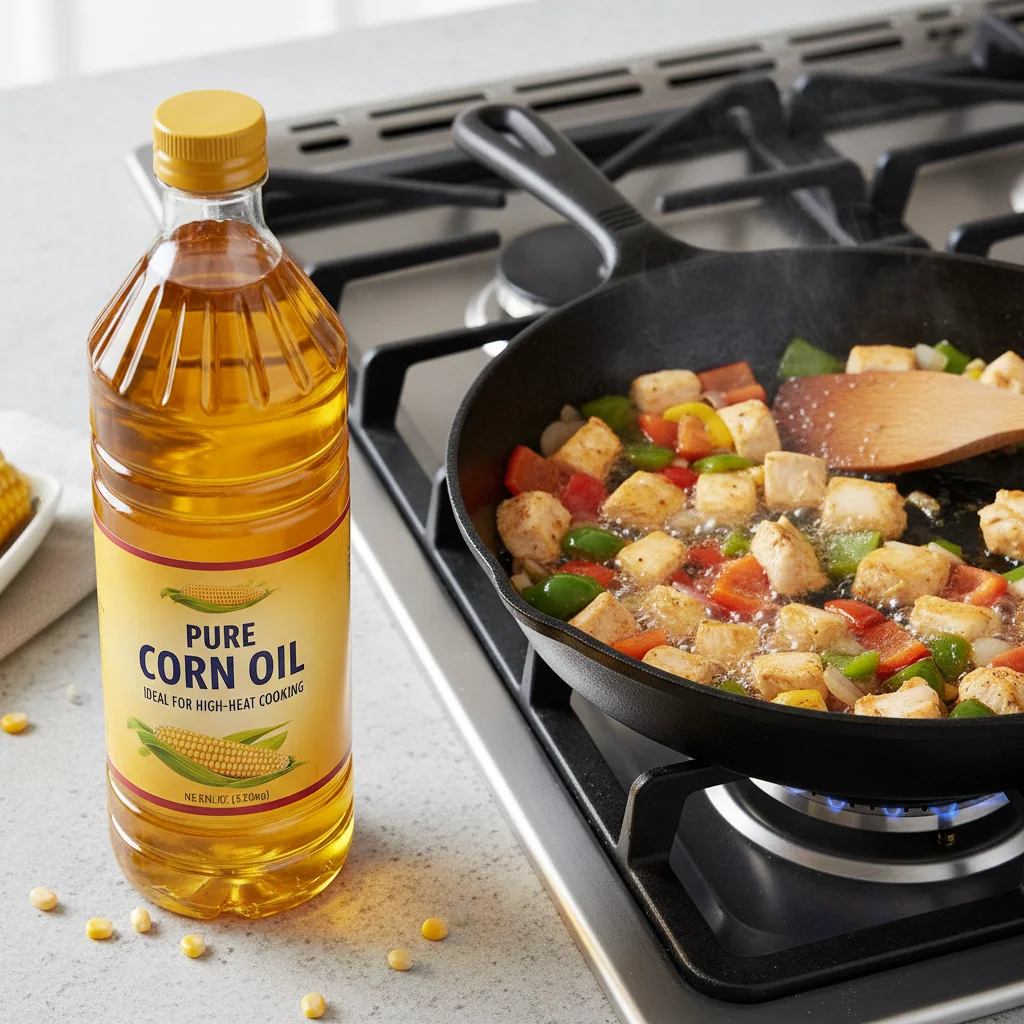
- High Smoke Point: Refined corn oil has a high smoke point of approximately 450°F (232°C). Because of this, it is excellent for high-heat cooking methods like deep-frying, sautéing, and stir-frying without burning or producing harmful compounds.
- Neutral Flavor: Its mild taste makes it ideal for baking, where it keeps cakes and muffins moist without adding a distinct flavor. It’s also a common base for margarines and mayonnaise.
- Salad Dressings: While extra virgin olive oil might be preferred for its flavor, corn oil’s lightness works well in emulsified dressings.
Maize Oil vs. Other Common Cooking Oils
How does oil from maize compare to its competitors? Here’s a quick breakdown.
| Oil | Primary Fat Type | Smoke Point | Best For | Flavor Profile |
|---|---|---|---|---|
| Maize (Corn) Oil | Polyunsaturated | High (~450°F / 232°C) | Frying, baking, dressings | Neutral, mild |
| Canola Oil | Monounsaturated | High (~400°F / 204°C) | Sautéing, baking | Very neutral |
| Olive Oil (Extra Virgin) | Monounsaturated | Medium (~375°F / 191°C) | Salad dressings, low-heat sauté | Fruity, peppery |
| Avocado Oil | Monounsaturated | Very High (~520°F / 271°C) | Searing, frying | Buttery, mild |
| Coconut Oil | Saturated | Medium (~350°F / 177°C) | Baking, medium-heat cooking | Sweet, coconut |
As you can see, corn oil’s main advantage is its combination of high smoke point and neutral taste, filling a specific niche for high-heat, flavor-neutral cooking.
How to Choose and Store Maize Oil
When purchasing corn oil, look for bottles that are stored away from direct light. Opt for brands that use expeller-pressed or cold-pressed methods if available, though most commercial corn oil is refined. Moreover, always check the expiration date.
To maintain freshness and prevent rancidity:
1. Store in a Cool, Dark Place: Keep it in a cupboard away from the stove or oven.
2. Seal Tightly: Ensure the cap is closed properly after each use.
3. Monitor for Rancidity: Discard the oil if it develops an unpleasant, sharp, or paint-like odor.
The Bottom Line
Oil from maize is a highly refined, versatile cooking oil with significant utility, particularly for high-temperature frying and baking where a neutral flavor is desired. Its benefits include vitamin E content and a favorable fatty acid profile for heart health when used appropriately.
However, due to its high omega-6 content, it should be consumed in moderation as part of a varied diet that includes other fat sources like olive oil, avocados, and fatty fish. For those monitoring metabolic markers, understanding your fat intake is key; you can learn more about related health metrics in our comprehensive guide to blood sugar levels.
Ultimately, by understanding its properties, you can make an informed decision on when to reach for the bottle of maize oil in your pantry.