
Organic Flaxseed Benefits & Uses
The Complete Guide to Organic Flaxseed: A Tiny Seed with Mighty Benefits
Organic flaxseed, often hailed as a nutritional powerhouse, is a small but formidable addition to a healthy diet. Consequently, more people are seeking out this unassuming seed for its impressive profile of essential fats, fiber, and plant compounds. This guide will explore everything you need to know, from its dense nutritional content to the practical ways you can incorporate it into your daily meals.
What is Organic Flaxseed?
Flaxseed, also known as linseed, comes from the flax plant (Linum usitatissimum). The “organic” designation means it is grown without the use of synthetic pesticides, herbicides, or genetically modified organisms (GMOs). Therefore, choosing organic ensures you’re consuming a cleaner product that supports sustainable farming practices. Moreover, organic certification often implies stricter quality controls from seed to shelf.
Nutritional Profile of Organic Flaxseed
The remarkable health benefits of flaxseed are directly tied to its unique nutritional composition. Firstly, it is one of the richest plant-based sources of alpha-linolenic acid (ALA), a crucial omega-3 fatty acid. Secondly, it provides an exceptional amount of lignans, which are plant compounds with antioxidant properties. Additionally, it is packed with both soluble and insoluble fiber.
Here is a detailed breakdown of the nutrients found in a typical one-tablespoon (10-gram) serving of ground organic flaxseed:
| Nutrient | Amount | % Daily Value (Approx.) | Key Benefit |
|---|---|---|---|
| Calories | 55 kcal | – | Energy source |
| Total Fat | 4.3 g | 6% | Rich in healthy fats |
| Omega-3 (ALA) | 2.4 g | – | Heart & brain health |
| Protein | 1.9 g | 4% | Plant-based protein |
| Total Carbs | 3 g | 1% | Mostly fiber |
| Dietary Fiber | 2.8 g | 10% | Digestive health |
| Lignans | 6-13 mg | – | Potent antioxidants |
Top Health Benefits of Organic Flaxseed
Incorporating organic flaxseed into your routine can support various aspects of your well-being. Here are some of the most evidence-backed benefits.
1. Supports Heart Health
The ALA omega-3 fatty acids, fiber, and lignans in flaxseed work synergistically to promote cardiovascular health. Primarily, ALA helps reduce inflammation and may lower blood pressure. Furthermore, the soluble fiber can help manage blood sugar levels and reduce LDL (“bad”) cholesterol, a major risk factor for heart disease.
2. Promotes Digestive Wellness
The high fiber content makes flaxseed an excellent ally for digestion. The insoluble fiber adds bulk to stool, which can alleviate constipation. Meanwhile, the soluble fiber forms a gel-like substance in the gut, feeding beneficial gut bacteria. For more on supporting your digestive system, explore our guide on the best powder supplements for gut health.
3. Rich in Antioxidants
Lignans are phytoestrogens with powerful antioxidant properties. Antioxidants help combat oxidative stress in the body, which is linked to chronic diseases and aging. Consequently, the high lignan content in flaxseed (up to 800 times more than other plant foods) makes it a standout for cellular protection.
4. May Aid in Hormonal Balance
Due to their phytoestrogen nature, lignans can have a modulating effect on hormones. For some individuals, this may help balance estrogen levels, which could be beneficial for symptoms of menopause. Additionally, the anti-inflammatory properties may support overall prostate health as part of a balanced diet.
Whole vs. Ground: How to Use Flaxseed for Maximum Benefit
This is a critical point: your body cannot digest whole flaxseeds effectively. The hard outer shell passes through the digestive system intact, meaning you miss out on most of the nutrients. Therefore, you should always consume flaxseed in its ground form (often called flax meal) or as cold-pressed oil.
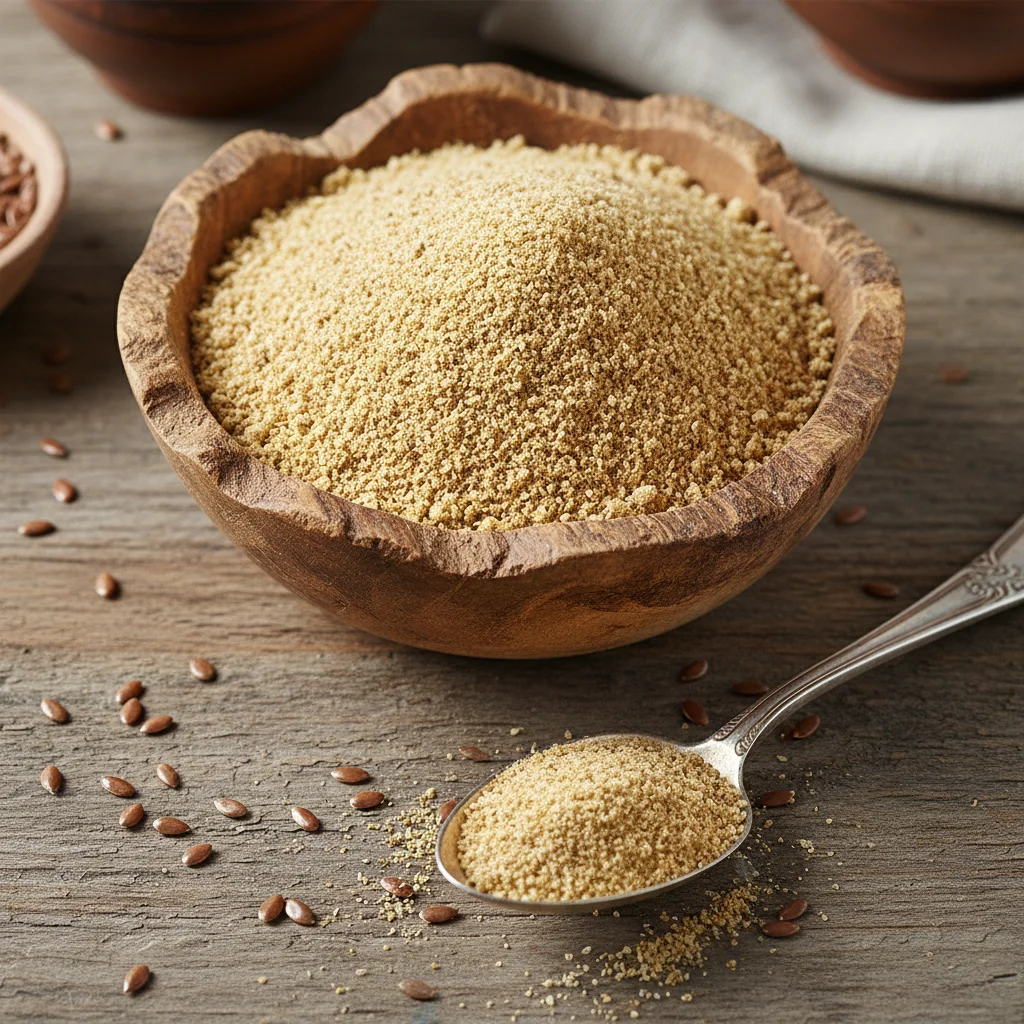
Simple Ways to Add Ground Flaxseed to Your Diet:
- Smoothies & Shakes: Blend a tablespoon into your morning smoothie for a nutty flavor and fiber boost.
- Baking: Substitute 1-2 tablespoons of flour with ground flaxseed in muffins, bread, or pancake recipes.
- Oatmeal & Yogurt: Stir it into your breakfast bowl for added texture and nutrients.
- Egg Replacer (Vegan): Mix 1 tbsp ground flaxseed with 2.5 tbsp water to create a “flax egg,” perfect for vegan keto diet plans and baking.
- Topping: Sprinkle over salads, soups, or avocado toast.
Why Choose Organic Flaxseed?
While conventional flaxseed is nutritious, opting for organic offers distinct advantages. Firstly, it minimizes your exposure to pesticide residues. Secondly, organic farming practices are generally better for soil health and biodiversity. Moreover, because flaxseeds are small and porous, they may be more susceptible to absorbing chemicals from the soil, making the organic choice particularly prudent.
Storage and Precautions
To prevent the delicate oils in ground flaxseed from turning rancid, store it in an airtight container in the refrigerator or freezer. It’s best to grind small batches as needed. Furthermore, when increasing your fiber intake, do so gradually and drink plenty of water to allow your digestive system to adjust.
Important Note: While flaxseed is safe for most people, those with certain conditions (like hormone-sensitive cancers or intestinal blockages) should consult a healthcare provider. Always refer to authoritative sources like the National Institutes of Health (NIH) for the latest research.
Conclusion
Organic flaxseed is a versatile, nutrient-dense superfood that can effortlessly enhance your dietary pattern. Its benefits for heart, gut, and hormonal health are well-supported by nutrition science. Therefore, by simply adding a spoonful of ground flaxseed to your daily meals, you can take a significant step toward better health. Start with a small amount, listen to your body, and enjoy the subtle, nutty goodness of this mighty seed.

