
Organic Rice Syrup: Benefits & Uses
Organic Rice Syrup: A Complete Guide to This Natural Sweetener
Organic rice syrup, often called brown rice syrup or rice malt syrup, has become a popular alternative to refined sugars and artificial sweeteners. As consumers increasingly seek out natural and less-processed foods, this amber-colored liquid sweetener has found its way into countless pantries. But what exactly is it, and is it a healthy choice? This comprehensive guide will explore its production, nutritional profile, benefits, potential drawbacks, and how to use it effectively in your kitchen.
What is Organic Rice Syrup?
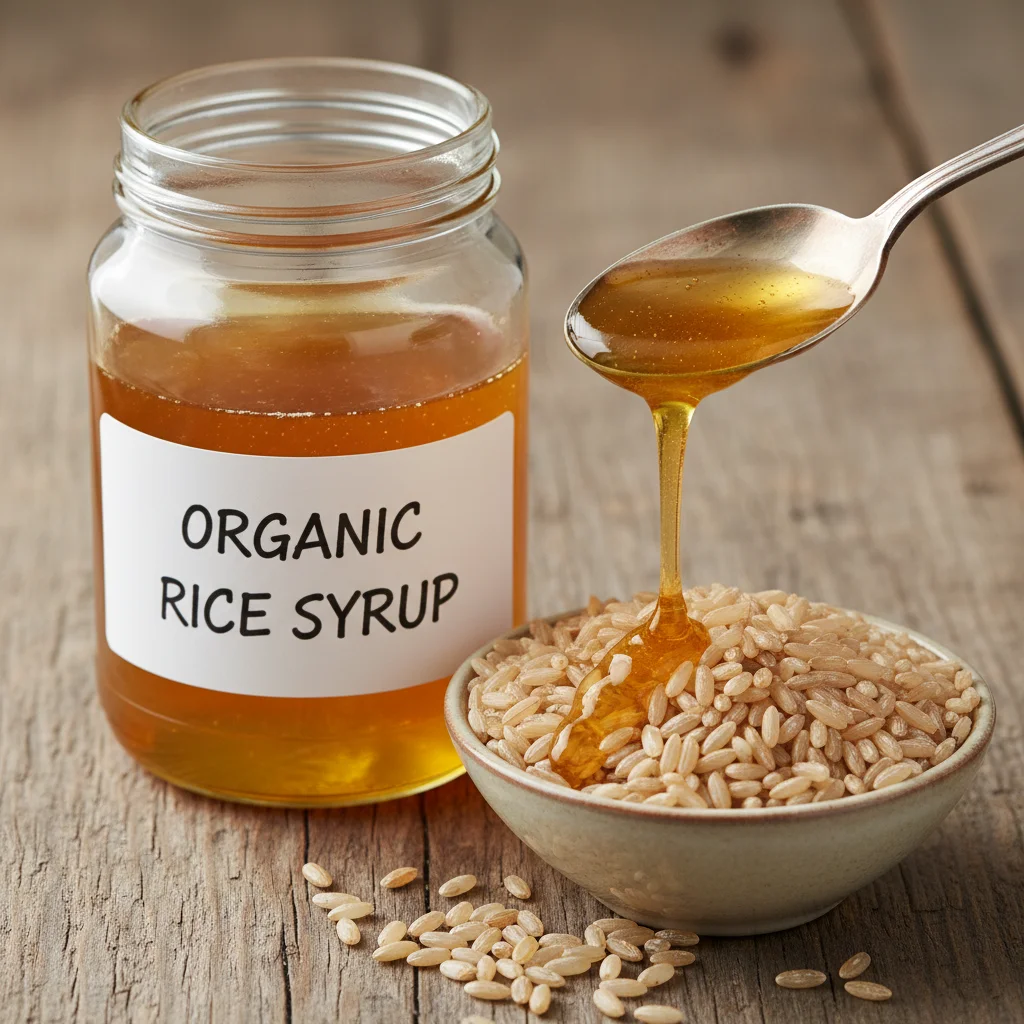
Organic rice syrup is a natural sweetener produced by fermenting cooked rice, typically whole brown rice, with enzymes that break down the starches into simpler sugars: maltose, maltotriose, and a small amount of glucose. The “organic” certification ensures the rice is grown without synthetic pesticides or fertilizers, and the processing adheres to strict organic standards. The result is a thick, viscous syrup with a mild, buttery, and subtly sweet flavor, less cloying than honey or maple syrup.
Nutritional Profile & How It Compares
Understanding the nutritional makeup of organic rice syrup is crucial for making informed dietary choices. Firstly, it is important to note that, like most sweeteners, it is primarily a source of carbohydrates and calories with minimal vitamins or minerals.
Nutritional Breakdown (Per Tablespoon ~21g):
* Calories: ~70-75
* Total Carbohydrates: ~17-18g
* Sugars (primarily maltose): ~11-13g
* Protein: ~0g
* Fat: ~0g
* Notable Micronutrients: Trace amounts of potassium, magnesium, and manganese.
Comparison to Other Sweeteners
| Sweetener | Primary Sugars | Glycemic Index (Approx.) | Flavor Profile | Best Uses |
|---|---|---|---|---|
| Organic Rice Syrup | Maltose, Maltotriose | 98 (High) | Mild, buttery, less sweet | Baking, granola bars, sauces |
| Raw Honey | Fructose, Glucose | 58 (Medium) | Floral, distinct, sweet | Teas, dressings, drizzling |
| Maple Syrup | Sucrose | 54 (Medium) | Rich, caramel, woody | Pancakes, baking, glazes |
| White Table Sugar | Sucrose | 65 (Medium) | Neutral, very sweet | General purpose, beverages |
| Agave Nectar | Fructose (High) | 15-30 (Low) | Mild, very sweet | Cold drinks, raw desserts |
Consequently, a key takeaway is that organic rice syrup has a very high glycemic index (GI)—often cited around 98—which means it can cause a rapid spike in blood sugar levels. This is a critical consideration for individuals monitoring their blood sugar levels.
Potential Benefits of Choosing Organic Rice Syrup
Why might someone choose this sweetener? Several potential benefits drive its popularity.
1. Fructose-Free Composition: Unlike many sweeteners (like agave or high-fructose corn syrup), organic rice syrup contains virtually no fructose. Some individuals who have difficulty digesting fructose (a condition known as fructose malabsorption) may tolerate it better.
2. Mild Flavor & Versatility: Its subtle, non-overpowering taste makes it an excellent sweetener in recipes where you don’t want a strong flavor like honey or molasses to dominate. It integrates well into sauces, marinades, and baked goods.
3. Vegan & Allergy-Friendly: As a plant-based product derived from rice, it is naturally vegan and free from common allergens like dairy, soy, and nuts. Moreover, it is often used in gluten-free cooking, though those with celiac disease should verify the processing facility is gluten-free.
4. Organic & Less Processed: Choosing an organic version minimizes exposure to pesticide residues and supports agricultural practices that are generally better for the environment. Additionally, it is considered a less refined option compared to white sugar or high-fructose corn syrup.
Important Considerations and Potential Drawbacks
However, it is not a “health food,” and there are significant factors to weigh before making it a staple.
High Glycemic Impact: As highlighted, its high GI is its most notable drawback. The rapid digestion of maltose can lead to quick energy spikes and crashes, which is not ideal for sustained energy or for individuals with insulin sensitivity.
Low Nutrient Density: While it contains trace minerals, the amounts are negligible. You would have to consume a very large, unhealthy amount to gain any meaningful nutritional benefit. Therefore, it should be viewed as a sweetener, not a source of nutrition.
Arsenic Concerns: Rice can naturally absorb arsenic from soil and water. Some studies, including one by the FDA, have detected arsenic in brown rice syrup. Reputable organic brands often test for heavy metals, so it is crucial to select high-quality products from trusted sources to mitigate this risk.
Caloric Content: It is still a concentrated source of calories and sugars. Overconsumption can contribute to weight gain and other health issues associated with high sugar intake, similar to other sweeteners.
How to Use Organic Rice Syrup in Cooking & Baking
Because of its unique properties, it works best in specific applications. Here’s a practical guide:
- Substitution Ratio: You can generally substitute it for other liquid sweeteners (like honey or corn syrup) in a 1:1 ratio. When replacing granulated sugar, use about 1 ¼ cups of syrup for every 1 cup of sugar, and reduce other liquids in the recipe by about ¼ cup.
- Ideal Recipes: It excels in making chewy granola bars, crispy rice treats, and homemade crackers. It also works wonderfully in peanut or nut butter sauces, teriyaki glaze, and as a binder in energy balls.
- Tip for Baking: Its ability to resist crystallization makes it excellent for creating smooth, chewy textures in cookies and bars. For a deeper flavor, consider pairing it with ingredients like vanilla or almond extract.
For those exploring specialized diets, it can sometimes fit into certain vegan keto diet plans as a minor ingredient, though its high carb count requires careful portioning.
The Bottom Line: Is Organic Rice Syrup a Healthy Choice?
Organic rice syrup is a natural, vegan, fructose-free sweetener with a mild flavor, making it a versatile tool for specific culinary needs. However, its very high glycemic index and low nutrient profile mean it should be consumed in moderation, just like any other added sugar. It is not a “healthy” sugar alternative but can be a better processed choice within an otherwise balanced diet.
Ultimately, the healthiest approach to sweeteners is to reduce overall intake. Use organic rice syrup mindfully for its functional properties in recipes where its unique texture and flavor are beneficial, and always prioritize whole food sources of sweetness, like fruits.

