
Raw Dates Fruit: Nutrition & Benefits
Raw Dates Fruit: A Complete Guide to Nature’s Sweet Superfood
When you think of dates, you likely picture the sticky-sweet, wrinkled dried fruit found in stores. However, raw dates fruit—harvested fresh from the palm tree—offers a uniquely different texture and flavor profile, along with a powerhouse of nutrients. This guide delves into everything you need to know about this ancient, wholesome food.
What Are Raw Dates?
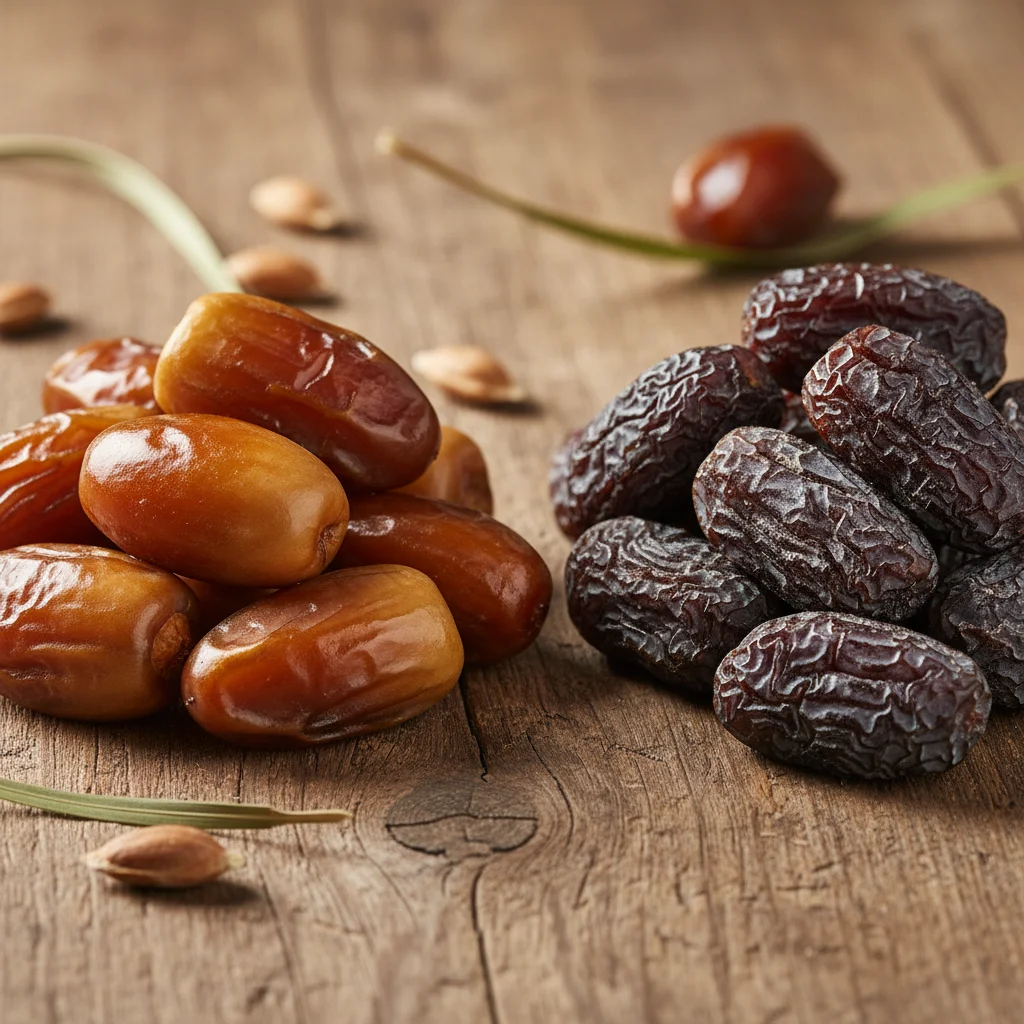
Raw dates are the fresh, uncured fruit of the date palm (Phoenix dactylifera). Unlike their dried counterparts, they have not undergone a dehydration process. Consequently, they are plump, have a higher moisture content, and possess a crisp, almost apple-like bite when fresh, which softens to a creamy, caramel-like texture as they ripen.
Raw Dates vs. Dried Dates: Key Differences
Understanding the distinction is crucial for both culinary and nutritional purposes.
| Feature | Raw Dates (Fresh) | Dried Dates |
|---|---|---|
| Texture | Firm, crisp, or creamy-soft. | Chewy, sticky, and dense. |
| Moisture Content | High (can be over 50%). | Very low (typically under 20%). |
| Sugar Concentration | Naturally sweet, less concentrated. | Very high, sugar is highly concentrated. |
| Shelf Life | Short (a few weeks refrigerated). | Very long (months to years). |
| Common Uses | Eaten fresh, in salads, smoothies. | Baking, energy bars, direct snacking. |
Nutritional Profile of Raw Dates Fruit
Raw dates are a dense source of essential vitamins, minerals, and fiber. A typical serving (about 3-4 dates, 100g) provides a significant nutritional boost.
| Nutrient | Approximate Amount (per 100g) | Key Benefit |
|---|---|---|
| Dietary Fiber | 6.7 g | Supports digestive health and satiety. |
| Potassium | 696 mg | Vital for heart function and muscle contractions. |
| Magnesium | 54 mg | Supports nerve function and bone health. |
| Vitamin B6 | 0.165 mg | Important for metabolism and brain health. |
| Antioxidants (e.g., Flavonoids) | High | Fights oxidative stress and inflammation. |
Moreover, they are naturally fat-free and cholesterol-free. Their carbohydrates are primarily from natural sugars like fructose and glucose, which provide a quick energy source. The high fiber content helps moderate blood sugar absorption, preventing sharp spikes. For more on foods that support overall wellness, explore our guide on the best brain health supplements.
Top Health Benefits of Eating Raw Dates
Incorporating raw dates into your diet can offer several science-backed advantages.
1. Excellent Digestive Aid
The high fiber content in raw dates adds bulk to stool and promotes regular bowel movements, thereby preventing constipation. Additionally, they contain soluble fiber, which acts as a prebiotic to feed beneficial gut bacteria. For a deeper dive into gut-supporting nutrients, consider reading about best powder supplements for gut health.
2. Rich in Protective Antioxidants
Raw dates boast higher levels of certain antioxidants—including flavonoids, carotenoids, and phenolic acid—compared to dried dates because the drying process can degrade some compounds. These antioxidants help neutralize free radicals, reducing cellular damage and the risk of chronic diseases.
3. Natural Energy Booster
The natural sugars (glucose, fructose, and sucrose) provide a rapid, unprocessed energy source. Combined with fiber and essential nutrients, this makes raw dates an ideal pre-workout snack or a perfect afternoon pick-me-up without the crash associated with refined sugars.
4. Supports Heart Health
Potassium is essential for maintaining healthy blood pressure levels, and raw dates are an excellent source. Their fiber can also help manage LDL (“bad”) cholesterol levels. Furthermore, the magnesium present supports heart muscle function.
5. Promotes Bone Health
Raw dates contain minerals like calcium, phosphorus, magnesium, and potassium, all of which contribute to maintaining strong, healthy bones and may help prevent conditions like osteoporosis.
How to Select, Store, and Eat Raw Dates
Selecting Fresh Dates
Look for fruits that are plump and slightly shiny, with smooth, unbroken skin. They should feel firm but not rock-hard. Avoid any with visible mold, excessive blemishes, or a sour smell.
Proper Storage
Because of their high moisture content, raw dates are perishable. Store them in a sealed container in the refrigerator, where they can last for several weeks. For longer storage, you can freeze them for up to a year.
Delicious Ways to Enjoy Raw Dates
- Eaten Fresh: Simply rinse and enjoy as a snack. Pit them first if they contain seeds.
- In Smoothies: Blend with bananas, spinach, and almond milk for a creamy, sweet smoothie.
- Chopped in Salads: Add chopped raw dates to grain salads or green salads for a burst of sweetness and texture.
- Stuffed: Fill pitted dates with nut butter, goat cheese, or almonds for a satisfying treat.
- In Chutneys & Salsas: Finely chop and mix with herbs, onions, and citrus for a unique condiment.
Potential Considerations and Who Should Be Cautious
While highly nutritious, there are a few points to consider. Firstly, raw dates are calorie-dense and high in natural sugars, so portion control is key, especially for individuals monitoring blood sugar levels or managing weight. Secondly, some people may experience digestive discomfort like bloating if they consume large quantities too quickly due to the high fiber and FODMAP content. Therefore, it’s wise to start with a small serving.
Final Thoughts
Raw dates fruit is a versatile, nutrient-packed whole food that deserves a place in a balanced diet. Its impressive profile of fiber, antioxidants, and essential minerals offers benefits for digestion, energy, and heart health. By choosing them fresh, you experience a different, often more subtle sweetness and texture than dried dates. Try incorporating them into your meals for a natural and delicious health boost.
Disclaimer: This article is for informational purposes only and is not a substitute for professional medical advice. Always consult with a healthcare provider before making significant changes to your diet.

